








Medical Dermatology
Diagnosis and treatment of common skin conditions — from acne, inflammatory rashes and infections to hair problems — by our dermatologists.
27 conditions
-
Acne Acne Acne is one of the most common skin conditions and can affect teenagers and adults alike. It may appear as blackheads, whiteheads, inflamed pimples, or deeper painful nodules and cysts.
-
Adult Acne Adult Acne Getting acne in your 20s, 30s, 40s or later can be frustrating—especially if you thought breakouts were something you would leave behind after your teenage years.
-
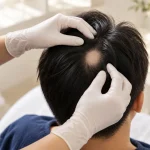
Alopecia Areata Alopecia Areata Alopecia areata is an autoimmune form of hair loss that most commonly causes sudden, smooth, round or oval bald patches on the scalp or beard. It can also affect the eyebrows, eyelashes and other body hair.
-
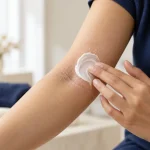
Atopic Dermatitis / Eczema Atopic Dermatitis / Eczema Atopic dermatitis, commonly called eczema or atopic eczema, is a chronic inflammatory skin condition that causes dry, itchy and easily irritated skin. It can affect children and adults and often goes through cycles of improvement and flare-ups.
-
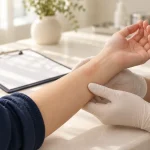
Autoimmune Skin Conditions Autoimmune Skin Conditions Autoimmune diseases can affect the skin in many different ways. Some cause rashes or changes in skin color, while others cause hair loss, blisters, ulcers, sensitivity to sunlight, or areas of skin that become unusually thick or hard.
-
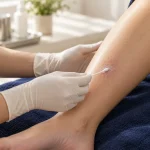
Bacterial Skin Infections Bacterial Skin Infections Bacterial skin infections can range from a small infected hair follicle to cellulitis, a skin abscess, or a rapidly spreading infection requiring urgent hospital treatment.
-
Chronic Itch & Rashes Chronic Itch & Rashes Persistent itching or a rash that keeps coming back can be frustrating because “itch” is a symptom, not a diagnosis.

-
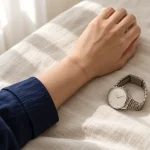
Contact Dermatitis Contact Dermatitis Contact dermatitis is a type of eczema caused by something that touches the skin. It can result from direct irritation or from a delayed allergic reaction to a substance such as fragrance, preservatives, metals, hair dye, rubber, cosmetics, cleaning products or workplace chemicals.
-
Dandruff & Scalp Itch Dandruff & Scalp Itch Dandruff and scalp itching are extremely common, but not every flaky or itchy scalp is simply “dandruff.

-
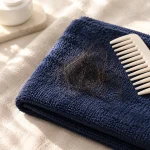
Excessive Hair Shedding Excessive Hair Shedding Seeing more hair than usual in the shower, on your pillow, or in your hairbrush can be alarming. However, excessive hair shedding is not always the same as permanent hair loss.
-
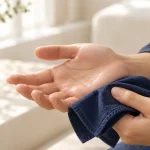
Excessive Sweating / Hyperhidrosis Excessive Sweating / Hyperhidrosis Sweating is a normal way for the body to regulate temperature. Hyperhidrosis, however, means sweating more than the body needs for cooling. It may cause underarm sweat to soak through clothing, hands to become wet enough to interfere with writing or using a phone, or feet to remain persistently damp inside shoes.
-
Fungal Skin Infections Fungal Skin Infections Fungal skin infections are common causes of itchy, scaly, discolored or persistent rashes. They can affect almost any part of the body, including the feet, groin, trunk, scalp and nails.

-
Genital Warts Genital Warts Genital warts are benign growths caused by certain types of human papillomavirus (HPV). They can appear on the penis, vulva, groin, scrotum, perineum, around the anus, inside the anal canal, and sometimes on the cervix, vagina or urethral opening.

-
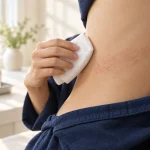
Herpes Simplex & Shingles Herpes Simplex & Shingles Herpes simplex and shingles can both cause clusters of painful blisters, burning, tingling, or sensitive skin. Because the rashes can sometimes look similar, patients often wonder whether they have herpes simplex, genital herpes, a cold sore, or shingles (herpes zoster).
-
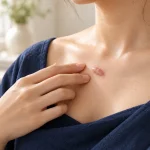
Keloids & Abnormal Scars Keloids & Abnormal Scars A scar is part of the normal healing process after an injury, surgery, acne, piercing, burn or other damage to the skin. Most scars gradually become flatter, softer and less noticeable over time. Some, however, continue to thicken, remain raised, become itchy or painful, or grow beyond the original wound.
-
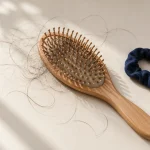
Male & Female Pattern Hair Loss Male & Female Pattern Hair Loss Male and female pattern hair loss—medically called androgenetic alopecia—is one of the most common causes of gradual hair thinning. In men, it often appears as a receding hairline or thinning at the crown. In women, it more often causes widening of the central part and reduced hair density over the top of the scalp.
-
Melasma & Pigmentation Melasma & Pigmentation Melasma and facial pigmentation are among the most common reasons people seek dermatology care for uneven skin tone.
-
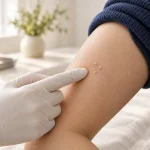
Molluscum Contagiosum Molluscum Contagiosum Molluscum contagiosum is a common viral skin infection that causes small, smooth bumps, often with a characteristic tiny indentation in the center. It can affect children and adults and can spread through direct skin contact, shared personal items, sexual contact, or from one area of the body to another.
-
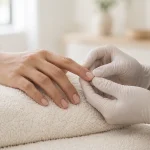
Nail Disorders Nail Disorders Changes in the fingernails or toenails are common, but they do not all mean the same thing. A nail may become yellow, thick, brittle, ridged, pitted, painful, lifted, green, white, brown, or black because of infection, repeated trauma, inflammatory skin disease, medication, an ingrown nail, or occasionally a more serious condition.
-
Perioral Dermatitis Perioral Dermatitis Perioral dermatitis is a facial rash that typically causes clusters of small red or skin-colored bumps around the mouth. It can also affect the nose and eyes, which is why dermatologists often use the broader term periorificial dermatitis.

-
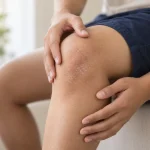
Psoriasis Psoriasis Psoriasis is a chronic immune-mediated inflammatory disease that most commonly affects the skin, but it can also involve the nails and joints.
-
Rosacea Rosacea Rosacea is a chronic inflammatory skin condition that mainly affects the central face. It may cause persistent redness, frequent flushing, visible blood vessels, acne-like bumps, burning or sensitive skin, and sometimes eye symptoms.

-
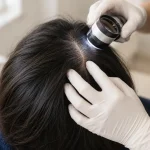
Scalp Disorders Scalp Disorders Scalp disorders are a common reason people seek dermatology care. Symptoms may include itching, flaking, redness, scaling, pimples, pustules, scalp pain, crusting, hair shedding or patchy hair loss.
-
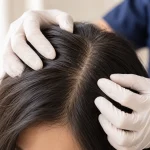
Seborrheic Dermatitis Seborrheic Dermatitis Seborrheic dermatitis is a common inflammatory skin condition that causes redness, flaking, greasy or dry scales, and sometimes itching. It most often affects areas with many oil glands, including the scalp, eyebrows, sides of the nose, ears, beard area and upper chest.
-
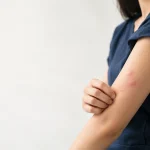
Urticaria / Hives Urticaria / Hives Urticaria, commonly called hives, is a skin condition that causes raised, swollen, usually itchy welts that can appear suddenly and disappear again within hours.
-
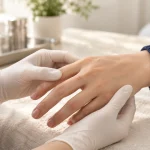
Viral Warts Viral Warts Viral warts are common skin growths caused by infection with human papillomavirus (HPV). They can develop almost anywhere on the skin, but frequently affect the hands, fingers, feet, knees, face and genital area.
-
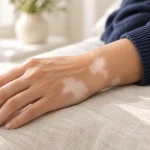
Vitiligo Vitiligo Vitiligo is a chronic condition in which the skin loses pigment because melanocytes—the cells that produce melanin—are damaged or lost. This causes well-defined white or depigmented patches that may appear on the face, hands, feet, around body openings, or almost anywhere on the body.
No conditions found.
Treatment articles
-
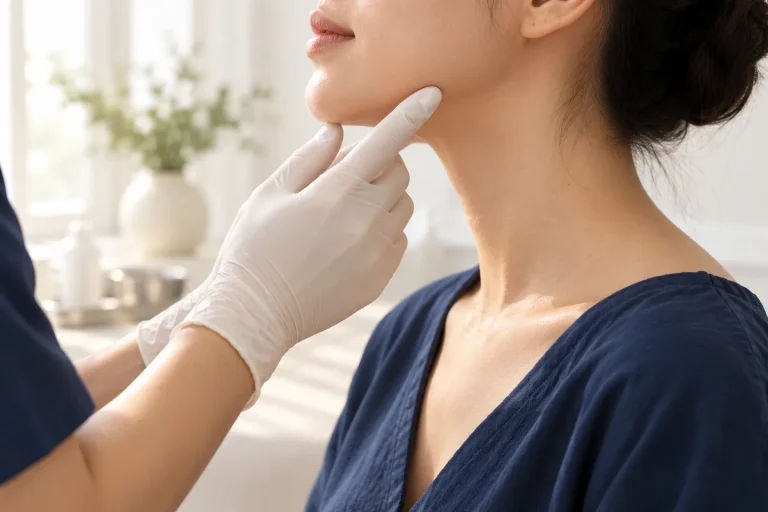
Aesthetic & Skin Rejuvenation XERF vs Ultraformer for Sagging Skin: Which Works Better for the Jawline and Jowls? A less defined jawline, sagging cheeks, and early jowls are among the most common concerns associated with facial aging. Many people want to restore a firmer, more defined lower face without undergoing surgery.
-
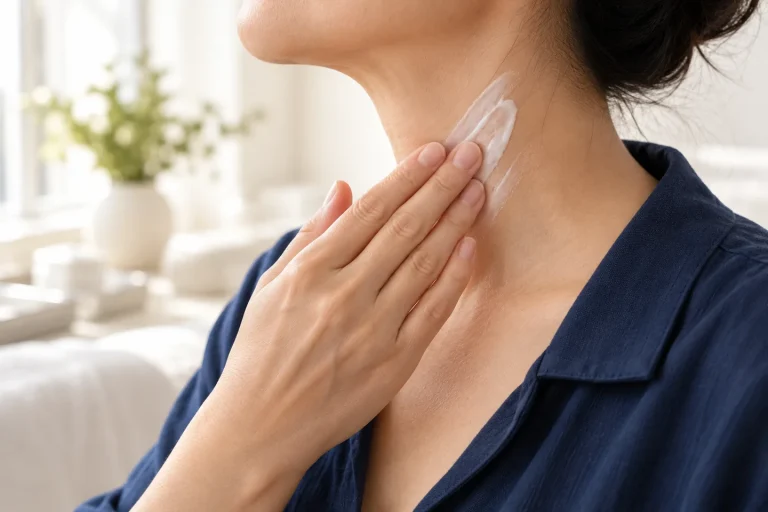
Aesthetic & Skin Rejuvenation XERF (Monopolar RF) for Skin Tightening: Who Is It Best For and How Long Do Results Last? Facial skin gradually loses firmness as we age. Collagen and elastin undergo structural changes, while facial fat, connective tissues, and bone support also change over time. Together, these processes contribute to sagging cheeks, early jowls, a less defined jawline, and loose skin beneath the chin.
-
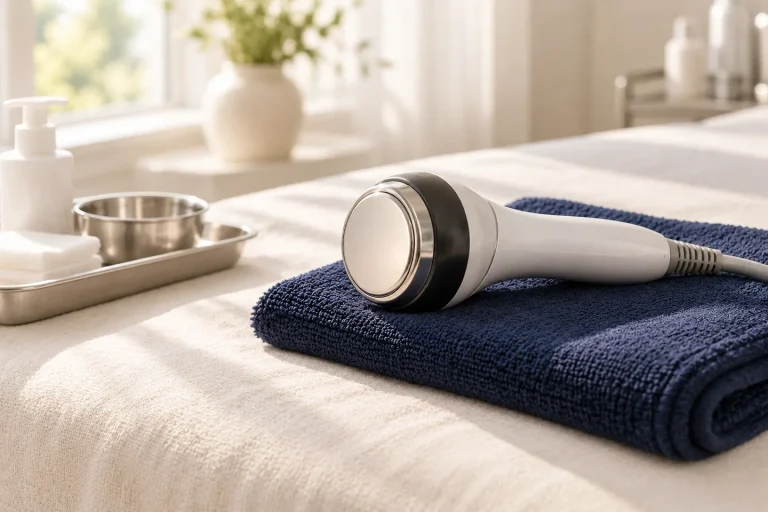
Aesthetic & Skin Rejuvenation Ultraformer vs XERF: What’s the Difference and Which One Should You Choose? If you are considering facial lifting or skin tightening without surgery, you may have heard of Ultraformer and XERF. Both are energy-based treatments designed to improve skin firmness and reduce the appearance of mild to moderate sagging, but they use different technologies.
Connect With Our Care Team
Good skin care starts with a conversation
Leave your contact details, and our team will be happy to answer your questions and help arrange a convenient consultation.
Clear Skin Dermatology