







Atopic Dermatitis / Eczema
Atopic dermatitis, commonly called eczema or atopic eczema, is a chronic inflammatory skin condition that causes dry, itchy and easily irritated skin. It can affect children and adults and often goes through cycles of improvement and flare-ups.
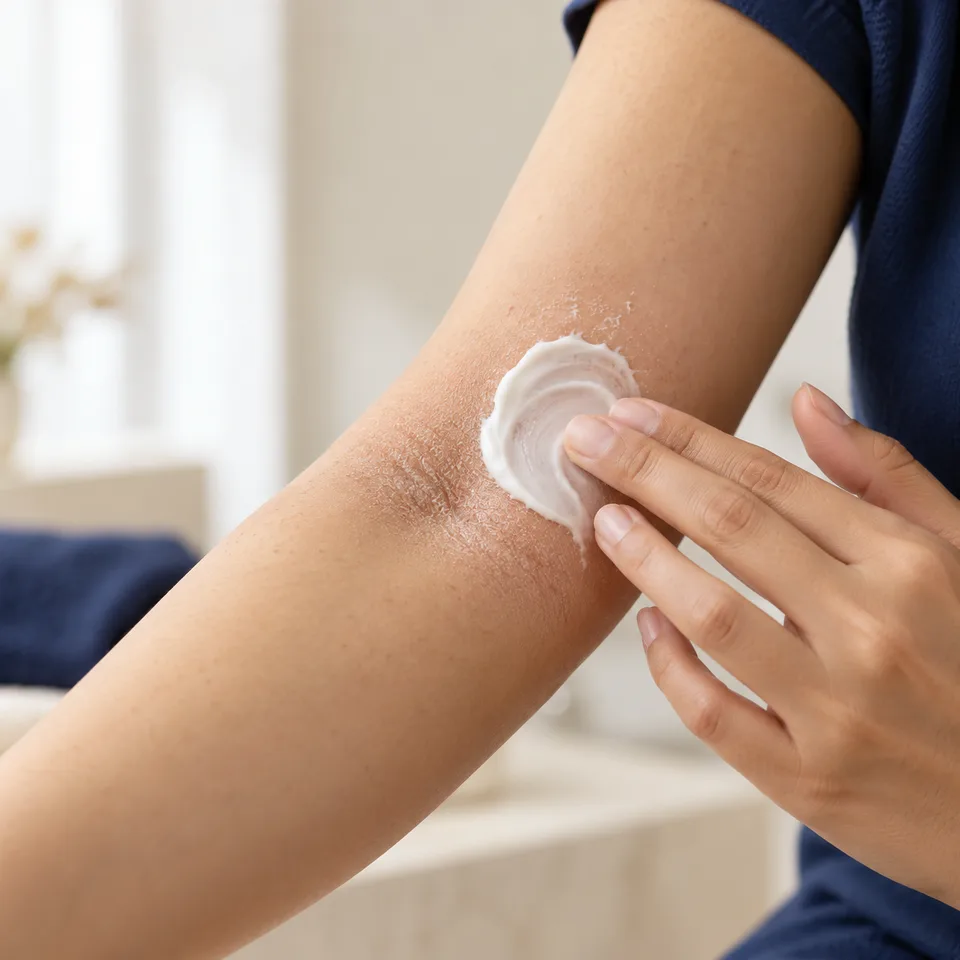
Treatment is not simply about making the rash disappear. Good eczema management aims to repair the skin barrier, control inflammation, relieve itching, prevent scratching and infection, identify relevant triggers, and reduce future flare-ups.
Atopic dermatitis cannot currently be permanently cured, but it can often be controlled effectively with appropriate skincare and treatment. Current dermatology guidelines support moisturizers and topical anti-inflammatory medications as the foundation of treatment, with phototherapy, biologic medications and other systemic therapies available for patients with more significant disease.
For people living in Bangkok and Thailand, heat, sweating, frequent air-conditioning, outdoor activity and exposure to irritating products can sometimes complicate eczema management. These factors do not necessarily cause eczema, but they may trigger symptoms in susceptible skin.
What Is Atopic Dermatitis?
Atopic dermatitis is an inflammatory disease in which the skin barrier does not function normally and the immune system becomes overly reactive.
The outer layer of healthy skin works like a protective wall. It keeps moisture inside while helping prevent irritants, allergens and microorganisms from entering.
In atopic dermatitis, this barrier becomes less effective. Water escapes more easily, which contributes to dryness, while irritants and microorganisms can penetrate more easily and trigger inflammation. Genetics, immune-system activity, environmental exposure and skin-barrier dysfunction all contribute to the disease.
This explains why eczema is not simply “dry skin.
”
The dryness, inflammation, itching and sensitivity are interconnected parts of the disease.
Is Atopic Dermatitis the Same as Eczema?
Not exactly.
Eczema is a broad term for several conditions that cause inflamed, itchy or dry skin.
Atopic dermatitis is one specific type of eczema and is one of the most common.
Other types of eczema include:
- Allergic contact dermatitis
- Irritant contact dermatitis
- Dyshidrotic eczema
- Nummular eczema
- Stasis dermatitis
- Seborrheic dermatitis
Therefore, someone saying “I have eczema” does not automatically mean they have atopic dermatitis.
Correct diagnosis matters because different types of eczema can require different treatment.
What Does Atopic Dermatitis Look Like?
Atopic dermatitis can look very different depending on age, skin tone, severity and how long the condition has been present.
Common symptoms include:
- Intense itching
- Dry skin
- Rough or scaly patches
- Inflamed skin
- Cracked skin
- Scratch marks
- Thickened skin after repeated scratching
- Small bumps
- Oozing or crusting during severe flares
- Burning or stinging
- Changes in skin color after inflammation
Itching is often one of the most troublesome symptoms.
In fact, atopic dermatitis is sometimes described clinically as an “itch that rashes” because scratching itchy skin can worsen inflammation and create further skin damage.
What Does Eczema Look Like on Asian or Darker Skin?
Eczema does not always appear bright red.
In Asian and darker skin tones, inflammation may appear:
- Pink-brown
- Purple
- Gray
- Dark brown
- Darker than surrounding skin
- Occasionally lighter than surrounding skin after healing
Small rough bumps may also be more noticeable than redness.
After the active eczema improves, temporary post-inflammatory hyperpigmentation or lighter areas can remain.
This is important because relying only on “redness” can lead to eczema being underestimated in darker skin.
Where Does Atopic Dermatitis Usually Occur?
The distribution often changes with age.
Babies
Common areas include:
- Cheeks
- Face
- Scalp
- Arms
- Legs
- Trunk
The rash may be very dry or may occasionally ooze and crust.
Children
As children grow older, eczema commonly affects skin folds such as:
- Inside the elbows
- Behind the knees
- Wrists
- Ankles
- Neck
Adults
Adult atopic dermatitis may affect:
- Hands
- Face
- Eyelids
- Neck
- Arms
- Elbows
- Knees
- Upper body
- Multiple areas simultaneously
Some adults develop predominantly hand eczema, while others have widespread disease.
What Causes Atopic Dermatitis?
There is no single cause.
Atopic dermatitis develops through interactions between:
- Genetics
- Skin-barrier dysfunction
- Immune-system activity
- Environmental exposures
- Microorganisms on the skin
- Individual susceptibility
Some people also have a personal or family history of:
- Asthma
- Allergic rhinitis
- Food allergy
- Atopic dermatitis
These conditions can occur together because they share aspects of allergic and immune-system biology.
However, eczema should not automatically be assumed to result from a particular allergy.
Is Atopic Dermatitis Contagious?
No.
Atopic dermatitis is not contagious.
You cannot catch eczema from another person through:
- Touching
- Hugging
- Sharing towels
- Swimming together
- Living in the same house
- Ordinary physical contact
Even when eczema becomes infected, the underlying atopic dermatitis itself remains a non-contagious inflammatory condition.
What Triggers Eczema Flare-Ups?
Triggers differ significantly between patients.
Common triggers may include:
- Heat
- Sweating
- Dry skin
- Fragrance
- Harsh soap
- Strong detergents
- Wool or rough fabric
- Certain cosmetics
- Skin friction
- Stress
- Lack of sleep
- Changes in weather
- Swimming-pool chemicals in some patients
- Certain occupational exposures
Not everyone needs to avoid every item on this list.
An effective approach is to identify patterns specific to your own skin rather than create an unnecessarily restrictive lifestyle.
Does Bangkok’s Hot and Humid Weather Make Eczema Worse?
It can in some patients.
Heat and sweating are common eczema triggers. Sweat can sting inflamed or cracked skin, while excessive sweating combined with friction may increase itching.
At the same time, spending long periods in heavily air-conditioned environments may make already dry skin feel drier.
Practical eczema care in Bangkok may therefore include:
- Avoiding unnecessary overheating
- Choosing breathable clothing
- Showering gently after heavy sweating
- Changing out of wet clothing
- Moisturizing after showering
- Keeping fingernails short
- Avoiding aggressive rubbing with towels
- Using gentle sunscreen that the skin tolerates
- Keeping moisturizer available when spending long periods in air-conditioned environments Thailand’s climate does not cause atopic dermatitis by itself. The goal is simply to manage environmental factors that aggravate an existing tendency toward eczema.
Does Sweat Cause Eczema?
Sweat does not cause atopic dermatitis, but it can trigger itching or irritation in some people.
Salts within sweat may sting damaged skin.
After significant sweating:
- Rinse or shower with lukewarm water when practical
- Avoid scrubbing
- Pat the skin gently
- Apply moisturizer afterward
There is generally no reason for someone with eczema to stop exercising completely.
Managing heat and sweat is usually more realistic than avoiding physical activity.
Is Eczema Caused by Food Allergy?
Usually not.
People with atopic dermatitis have a higher likelihood of having food allergies than people without eczema, particularly children with significant disease. However, that does not mean food is the cause of every patient’s eczema.
Current allergy guidelines advise against routinely using broad elimination diets simply to treat atopic dermatitis because most patients obtain little or no meaningful benefit, while unnecessary food avoidance—particularly in young children—can create nutritional problems and may potentially increase the risk of developing a true food allergy.
Do not automatically remove:
- Milk
- Eggs
- Gluten
- Seafood
- Nuts
- Soy
- Sugar
simply because someone has eczema.
When Should Food Allergy Be Considered?
Food allergy evaluation may be appropriate when there is a convincing history of an immediate reaction after eating a particular food, such as:
- Hives
- Lip swelling
- Vomiting
- Wheezing
- Difficulty breathing
- Anaphylaxis
This is different from assuming that food is responsible for chronic dry eczema.
Food-allergy testing should be ordered for a clear clinical reason rather than as a routine “eczema panel.
”
Do I Need an Allergy Test for Eczema?
Not necessarily.
Most patients with typical atopic dermatitis do not need allergy testing to make the diagnosis.
Testing may be appropriate in selected cases.
For example, patch testing can be useful when allergic contact dermatitis is suspected, particularly when:
- Eczema suddenly changes pattern
- Facial or eyelid dermatitis persists
- Hand eczema remains difficult to control
- A rash repeatedly occurs after particular products
- Treatment that previously worked stops working
- The distribution suggests an external allergen
Blood tests or skin-prick tests for food or environmental allergies answer different questions and should not be ordered indiscriminately.
Is Eczema an Autoimmune Disease?
Atopic dermatitis involves immune-system dysregulation, but it is not usually classified in the same way as classic autoimmune diseases such as lupus.
The immune system becomes overly active along specific inflammatory pathways, which is why modern targeted treatments such as biologics and JAK inhibitors can be effective in moderate-to-severe disease.
How Is Atopic Dermatitis Diagnosed?
There is no single blood test that proves someone has atopic dermatitis.
Diagnosis is mainly clinical.
A dermatologist will consider:
- Appearance of the rash
- Location
- Degree of itching
- Dryness
- Age when symptoms began
- Chronic or recurring pattern
- Personal history
- Family history
- Asthma or allergic rhinitis
- Products contacting the skin
- Treatments already tried
A skin examination and medical history are often sufficient.
Occasionally, additional tests may be needed when the appearance is atypical or another condition needs to be excluded. A skin biopsy may sometimes be considered.
What Can Be Mistaken for Atopic Dermatitis?
Several conditions can resemble eczema.
These include:
- Allergic contact dermatitis
- Irritant contact dermatitis
- Seborrheic dermatitis
- Psoriasis
- Scabies
- Tinea or fungal infection
- Nummular dermatitis
- Drug eruption
- Cutaneous infection
- Other inflammatory skin diseases
A new rash in an adult should not automatically be labeled “atopic dermatitis” without considering the clinical pattern.
Atopic Dermatitis vs Contact Dermatitis
Contact dermatitis is caused by something contacting the skin.
Examples include:
- Fragrance
- Preservatives
- Nickel
- Rubber
- Hair dye
- Cosmetics
- Cleaning chemicals
Atopic dermatitis is more closely related to an underlying tendency toward skin-barrier dysfunction and inflammation.
However, patients with atopic dermatitis can also develop contact dermatitis because their skin is more sensitive and they frequently use topical products.
Atopic Dermatitis vs Seborrheic Dermatitis
Seborrheic dermatitis usually appears in oily areas such as:
- Scalp
- Eyebrows
- Sides of the nose
- Ears
- Central chest
and commonly causes greasy or flaky scale.
Atopic dermatitis generally causes more generalized dryness and itching and may involve skin folds, hands, face or other body areas.
Both can occur in the same patient.
Atopic Dermatitis vs Psoriasis
Psoriasis more commonly causes:
- Sharply defined plaques
- Thicker scale
- Silvery scale
- Scalp involvement
- Elbow and knee plaques
- Nail changes
Atopic dermatitis usually produces more intense itching and often has less sharply defined inflammation.
Some cases remain difficult to distinguish clinically and require dermatology assessment.
Atopic Dermatitis vs Fungal Infection
Tinea or ringworm tends to form more clearly defined lesions, sometimes with an active scaly border and relative clearing toward the center.
Steroid creams may temporarily suppress redness from a fungal infection while allowing the fungus to spread, producing tinea incognito.
A rash that continues expanding despite steroid treatment should therefore be reassessed.
Atopic Dermatitis vs Scabies
Scabies causes intense itching, commonly worse at night.
Typical sites include:
- Finger webs
- Wrists
- Waist
- Genital region
- Armpits
Several family members or people living together may become itchy around the same time.
Unlike eczema, scabies is contagious and requires antiparasitic treatment.
How Is Atopic Dermatitis Treated?
Treatment depends on:
- Severity
- Body area involved
- Age
- Frequency of flares
- Effect on sleep
- Effect on daily life
- Previous treatment response
- Presence of infection
- Other medical conditions
Modern eczema treatment is usually built around several components rather than one medication.
These include:
Skin-barrier care + anti-inflammatory treatment + itch control + trigger management + maintenance treatment when appropriate.
Current AAD guidelines strongly recommend moisturizers, topical corticosteroids and topical calcineurin inhibitors, with additional non-steroid topical medications and systemic therapies available when needed.
Moisturizer: The Foundation of Eczema Treatment
Moisturizer is not simply cosmetic skincare in someone with atopic dermatitis.
It is part of treatment.
Regular moisturizing helps:
- Reduce water loss
- Improve skin-barrier function
- Reduce dryness
- Decrease cracking
- Reduce itching
- Increase the time between flare-ups
AAD guidelines strongly recommend moisturizers in atopic dermatitis.
What Type of Moisturizer Is Best?
Many patients do well with fragrance-free:
- Creams
- Ointments
- Barrier creams
Creams and ointments generally retain moisture better than thin lotions.
The ideal product is one that:
- Does not sting
- Does not contain unnecessary fragrance
- Is comfortable enough to use regularly
- Provides sufficient moisturization
Expensive does not necessarily mean better.
How Should You Shower if You Have Eczema?
Water itself is not the enemy.
The problem is excessive heat, long exposure and inadequate moisturization afterward.
A practical approach is:
- Use lukewarm rather than very hot water.
- Keep showers relatively short.
- Use a gentle fragrance-free cleanser where needed.
- Do not scrub with rough sponges.
- Pat rather than rub the skin dry.
- Apply moisturizer while the skin is still slightly damp.
AAD recommends short lukewarm baths or showers followed by prompt moisturizing.
Topical Steroids for Atopic Dermatitis
Topical corticosteroids remain one of the most important treatments for eczema flares.
They reduce:
- Inflammation
- Redness
- Itching
- Swelling
They are available in different strengths.
The correct medication depends on:
- Body location
- Patient age
- Skin thickness
- Severity
- Duration of treatment
A strong steroid suitable for thick eczema on the body may be inappropriate for prolonged use on the eyelids.
Are Steroid Creams Dangerous?
Topical steroid fear is common and can lead patients to undertreat eczema.
When the correct strength is used appropriately for an appropriate duration, topical corticosteroids are established first-line eczema treatments supported by dermatology guidelines.
Problems become more likely when potent steroids are:
- Used continuously for long periods
- Used unnecessarily
- Applied to sensitive areas without guidance
- Used under occlusion improperly
Potential side effects can include:
- Skin thinning
- Stretch marks
- Visible blood vessels
- Acne-like eruptions
- Perioral dermatitis
- Changes in skin pigmentation
The goal is not to avoid steroids at all costs. It is to use them intelligently.
Tacrolimus and Pimecrolimus
Tacrolimus and pimecrolimus are topical calcineurin inhibitors.
They reduce inflammation without causing steroid-related skin thinning.
They can be particularly useful for areas such as:
- Face
- Eyelids
- Neck
- Skin folds
and for patients who require repeated anti-inflammatory treatment.
Potential side effects include temporary:
- Burning
- Warmth
- Stinging
especially during the first few days of treatment.
AAD strongly recommends topical calcineurin inhibitors as treatment options for atopic dermatitis.
Other Non-Steroid Topical Treatments
Several newer non-steroid topical medications can be used for appropriate patients.
Depending on local approval and availability, these can include medications that target:
- PDE-4 pathways
- JAK pathways
- AhR pathways
Examples internationally include crisaborole, roflumilast, ruxolitinib and tapinarof.
The AAD’s 2025 focused update added strong recommendations for topical tapinarof and roflumilast in adults, while updated pediatric guidance also recognizes several newer topical therapies.
Availability, approved age groups and prescribing requirements differ between countries.
Patients in Bangkok should discuss locally available options rather than assuming every medication approved in the United States or Europe is available in Thailand.
Wet Wrap Therapy
Wet wraps can sometimes help during significant eczema flares.
A typical technique involves:
- Applying prescribed medication or moisturizer.
- Covering the affected area with a damp layer.
- Adding a dry layer over it.
Wet wraps can:
- Increase hydration
- Reduce scratching
- Enhance penetration of topical medication
- Help calm inflammation
Because wet wraps can increase medication absorption, especially when topical steroids are used, they should be performed according to an appropriate treatment plan.
AAD gives a conditional recommendation for wet-wrap therapy.
Bleach Baths for Eczema
Dilute bleach baths are sometimes recommended for selected patients with moderate-to-severe eczema, particularly when recurrent infection or significant bacterial colonization is a concern.
They are not necessary for everyone with eczema.
The 2023 AAAAI/ACAAI Joint Task Force guideline conditionally recommends dilute bleach baths as an adjunct for moderate-to-severe atopic dermatitis, while suggesting against routinely adding them for mild disease.
Because incorrect concentration can irritate or injure the skin, patients should receive clear instructions before trying this treatment.
Do not pour undiluted bleach directly onto eczema.
Phototherapy for Atopic Dermatitis
Phototherapy can be considered when eczema:
- Covers larger areas
- Does not respond adequately to topical treatment
- Requires repeated topical medication
- Significantly affects quality of life
A commonly used approach is controlled ultraviolet treatment under medical supervision.
Phototherapy differs from:
- Sunbathing
- Tanning beds
- Commercial tanning lamps
These are not substitutes for medical phototherapy.
AAD guidelines conditionally recommend phototherapy for appropriate patients with more significant disease.
Advantages
Phototherapy can treat multiple body areas without requiring systemic medication.
Limitations
It commonly requires repeated visits, often several times per week, making convenience an important consideration.
Possible adverse effects include:
- Temporary redness
- Dryness
- Burning if overdosed
- Pigmentation changes
Long-term UV exposure also has cumulative effects on the skin, so treatment must be medically controlled.
Biologic Treatment for Atopic Dermatitis
Modern biologic medications have substantially changed treatment options for moderate-to-severe atopic dermatitis.
Biologics target specific immune pathways involved in eczema rather than broadly suppressing the immune system.
Examples used internationally include:
- Dupilumab
- Tralokinumab
- Lebrikizumab
- Nemolizumab in appropriate treatment settings
Current AAD guidelines strongly recommend several biologic therapies for appropriate moderate-to-severe disease, with newer agents added through focused updates.
When Are Biologics Considered?
They may be considered when eczema:
- Is moderate to severe
- Covers significant areas
- Causes severe itching
- Disturbs sleep
- Interferes with work or school
- Continues despite appropriate topical treatment
- Requires repeated treatment that is not sustainable
Advantages
Depending on the medication, biologics may provide significant improvement in:
- Eczema severity
- Itching
- Sleep
- Frequency of flares
Limitations
Treatment is usually ongoing rather than a one-time cure.
Potential disadvantages include:
- Injection-related reactions
- Specific medication-dependent side effects
- Cost or insurance considerations
- Need for continued medical follow-up
Certain biologics can also be associated with eye irritation or conjunctivitis in some patients.
Oral JAK Inhibitors
Oral JAK inhibitors are another targeted treatment option for selected patients with moderate-to-severe atopic dermatitis.
Examples internationally include:
- Upadacitinib
- Abrocitinib
- Baricitinib in jurisdictions where approved for atopic dermatitis These medicines can reduce inflammatory signaling and may improve both eczema and itching.
AAD guidelines strongly recommend certain JAK inhibitors for appropriate adults with moderate-to-severe disease.
Important Limitations
JAK inhibitors require careful patient selection.
Depending on the medication and patient, consideration may include:
- Infection risk
- Blood tests
- Liver function
- Blood counts
- Lipids
- Vaccination history
- Tuberculosis or hepatitis screening
- Pregnancy considerations
- Other individual cardiovascular or thrombotic risk factors
They should not be viewed simply as “strong eczema tablets” without appropriate screening and monitoring.
Traditional Systemic Medications
Before newer targeted therapies became available, moderate-to-severe eczema was often treated with systemic immunomodulatory medications such as:
- Cyclosporine
- Methotrexate
- Azathioprine
- Mycophenolate mofetil
These treatments remain options in selected circumstances.
AAD guidelines conditionally recommend several of these systemic treatments, depending on the clinical situation.
They generally require monitoring because they may affect organs such as the liver, kidneys, blood cells or immune system depending on the medication.
What About Oral Steroids?
Systemic corticosteroids such as prednisolone can rapidly suppress eczema inflammation, but symptoms can rebound after stopping them.
Because of their side effects and potential for rebound disease, current AAD guidelines recommend against routine systemic corticosteroid use for long-term management of atopic dermatitis.
There may be unusual circumstances in which a doctor uses a very short course as a temporary bridge, but repeated oral steroid treatment is generally not a good long-term strategy for eczema.
Do Antihistamines Treat Eczema?
Antihistamines do not directly treat the underlying inflammation of atopic dermatitis.
Sedating antihistamines may occasionally be used for specific circumstances in patients whose itching severely interferes with sleep, but they are not a substitute for controlling the eczema itself.
AAD guidelines do not recommend routine topical antihistamines for eczema.
Eczema and Skin Infection
Atopic dermatitis increases susceptibility to infection because the skin barrier is damaged and scratching creates small breaks in the skin.
Signs of Bacterial Infection
Possible warning signs include:
- Increasing pain
- Warmth
- Swelling
- Pus
- Rapidly worsening redness
- Honey-colored or yellow crusts
- Fever
Yellow or golden crusting can suggest a bacterial infection such as staphylococcal infection or impetigo.
A doctor may need to determine whether antimicrobial treatment is required.
Routine antibiotics are not needed for uncomplicated eczema without evidence of infection.
Eczema Herpeticum: An Important Warning Sign
One complication patients with atopic dermatitis should know about is eczema herpeticum.
This occurs when herpes simplex virus infects eczema-damaged skin and can spread rapidly.
Warning signs include:
- Sudden clusters of similar-looking painful blisters or erosions
- Rapid spread
- Significant skin pain
- Fever
- Fatigue
- Swollen lymph nodes
- Feeling generally unwell
Eczema herpeticum requires urgent medical assessment and antiviral treatment. It can be particularly serious in young children and immunocompromised patients.
Do not simply treat a rapidly spreading painful blistering eczema flare with stronger steroid cream without medical assessment.
Weeping Eczema: Does It Mean Infection?
Not always.
Active eczema can sometimes ooze clear fluid even without infection.
However, new or increasing drainage can also occur with:
- Bacterial infection
- Herpes infection
- Other skin infections
A weeping rash should therefore be assessed if the cause is uncertain, particularly when accompanied by pain, crusting, fever or rapid worsening.
Can Eczema Leave Dark Marks?
Yes.
After inflammation settles, the affected skin may remain darker or occasionally lighter than the surrounding skin.
This is particularly noticeable in Asian and darker skin.
The pigmentation is called post-inflammatory pigment change.
The first priority is controlling active eczema. Repeated inflammation and scratching can produce additional pigment change.
These marks often take longer to improve than the active rash itself.
Does Eczema Cause Scars?
Uncomplicated eczema does not usually cause permanent scarring.
However, repeated:
- Scratching
- Picking
- Infection
- Deep skin injury
can sometimes leave persistent marks or scars.
Long-standing scratching can also make the skin thick, rough and leathery, a process called lichenification.
How Do You Stop the Itch-Scratch Cycle?
Itching leads to scratching.
Scratching damages the skin barrier.
Damaged skin produces more inflammation.
More inflammation produces more itching.
Breaking this cycle is central to eczema treatment.
Helpful strategies may include:
- Treating active inflammation adequately
- Moisturizing frequently
- Using cool compresses
- Keeping nails short
- Wearing soft clothing
- Keeping the sleeping environment cool
- Avoiding overheating
- Covering frequently scratched areas when appropriate
Simply telling someone with severe eczema “do not scratch” is rarely sufficient.
The underlying inflammation and itching need treatment.
Skincare Routine for Atopic Dermatitis
A simple routine is often best.
Morning
- Gentle cleansing if needed
- Prescribed medication on active eczema
- Fragrance-free moisturizer
- Sunscreen on exposed skin
Evening
- Short lukewarm shower
- Gentle cleanser where necessary
- Prescribed treatment
- Generous moisturizer
Additional moisturizer can be applied whenever the skin feels dry.
AAD recommends fragrance-free creams or ointments and moisturizer after bathing while skin remains slightly damp.
What Skincare Ingredients Should People With Eczema Avoid?
There is no universal list that every eczema patient must avoid.
However, during active inflammation, skin often tolerates fewer products.
Common irritants can include:
- Fragrance
- Essential oils
- Harsh soap
- Alcohol-heavy products
- Strong exfoliating acids
- Scrubs
- Multiple active ingredients used together
- Products that sting on application
“Natural” does not automatically mean eczema-friendly.
Botanical extracts and essential oils can also cause irritation or allergy.
Fragrance-Free vs Unscented
For sensitive eczema-prone skin, fragrance-free is generally preferable.
“Unscented” does not necessarily mean fragrance-free. Some unscented products contain ingredients designed to mask another smell.
AAD specifically recommends fragrance-free products for atopic dermatitis.
Can People With Eczema Use Sunscreen?
Yes.
Sun protection remains important.
The best sunscreen is one that:
- Provides appropriate UV protection
- Does not sting
- Does not trigger dermatitis
- Can be used consistently
Some people with eczema tolerate mineral sunscreens containing zinc oxide or titanium dioxide more comfortably, but this is individual.
If sunscreen repeatedly causes facial dermatitis, consider whether contact allergy or irritation could be contributing.
Can You Swim if You Have Eczema?
Often yes.
Some people tolerate swimming well, while chlorine or saltwater irritates others.
Practical measures include:
- Rinse soon after swimming
- Use lukewarm fresh water
- Avoid aggressive scrubbing
- Apply moisturizer afterward
Do not swim if there are significant open wounds or active skin infection without medical advice.
Does Eczema Get Worse With Stress?
It can.
Stress does not mean eczema is psychological.
Stress may influence immune activity, sleep and scratching behavior, all of which can contribute to flare-ups.
For some patients, addressing sleep and stress becomes an important part of long-term eczema control.
Does Eczema Ever Go Away?
The course varies.
Some children improve significantly as they get older.
Others continue having eczema into adolescence or adulthood.
Some adults experience long periods of remission followed by recurrence.
Adult-onset atopic dermatitis can also occur.
Because there is currently no permanent cure, management focuses on maintaining healthy skin and preventing or controlling flares.
Maintenance Treatment: Treating Eczema Before It Becomes Severe Again
A common mistake is stopping every treatment immediately when the skin looks normal and restarting only after a severe flare develops.
Patients with frequently recurring eczema in the same areas may sometimes benefit from proactive maintenance treatment.
This may involve intermittent use of a prescribed anti-inflammatory medication on areas that repeatedly flare, together with daily moisturizer.
The exact plan depends on the medication, body location and patient age.
When Should You See a Dermatologist for Eczema?
Consider dermatology assessment when:
- Itching is persistent
- Eczema affects sleep
- The rash keeps returning
- Over-the-counter treatment is not enough
- Large areas of the body are involved
- The face or eyelids are significantly affected
- Hand eczema interferes with work
- Steroid cream is needed repeatedly
- You are worried about steroid side effects
- The diagnosis is uncertain
- The rash may be fungal or allergic
- You have signs of infection
- Eczema is affecting school, work or quality of life
- You want to discuss phototherapy, biologics or systemic treatment
Seek Prompt or Urgent Medical Care If You Develop
- Rapidly spreading painful blisters
- Fever with worsening eczema
- Significant skin pain
- Extensive yellow crusting or pus
- Rapidly spreading redness
- Significant swelling
- Eye involvement with pain or visual symptoms
- Widespread skin redness with systemic illness
These symptoms are not typical of a straightforward mild eczema flare.
What to Expect During an Eczema Consultation in Bangkok
A useful eczema consultation should go beyond simply prescribing another cream.
The dermatologist may assess:
- Distribution of the rash
- Severity of inflammation
- Degree of itching
- Dryness and skin-barrier damage
- Thickened skin from scratching
- Signs of bacterial or viral infection
- Facial or eyelid involvement
- Hand eczema
- Possible contact dermatitis
- Possibility of fungal infection or scabies
- Previous response to treatment
You may also be asked about:
- Childhood eczema
- Asthma
- Allergic rhinitis
- Family history
- Occupation
- Handwashing
- Products used at work
- Skincare
- Soap and detergent
- Fragrance
- Previous steroid creams
- Allergies
- Medications
- Sleep disturbance
- Previous biologic or systemic treatment
For expats, tourists and international patients visiting Bangkok, it can be especially helpful to bring:
- Photos from previous severe flares
- Names or photographs of creams already used
- Previous prescriptions
- Medical records if systemic treatment has been used
- Recent laboratory results when relevant
Because eczema fluctuates, photographs taken during a flare can sometimes provide valuable diagnostic information even when the skin is relatively calm on the day of consultation.
Effective Eczema Treatment Starts With Understanding the Disease
Atopic dermatitis is much more than dry or sensitive skin.
It involves a damaged skin barrier, inflammation, itching and a tendency toward repeated flare-ups.
The most useful questions are:
Is this really atopic dermatitis?
Could it be contact dermatitis, psoriasis, fungal infection or scabies instead?
What is triggering the current flare?
Is the treatment strong enough to control the inflammation without unnecessary long-term risk?
Does the patient need maintenance treatment?
Are infection, sleep disturbance or quality-of-life problems being addressed?
Is topical treatment sufficient, or should phototherapy, biologic therapy or another systemic treatment be considered?
Once the diagnosis and severity are established, treatment can be individualized using appropriate moisturization, trigger management, topical anti-inflammatory therapy and, when necessary, advanced treatments for moderate-to-severe disease.
Atopic dermatitis may be chronic, but chronic does not mean untreatable. Modern eczema management focuses on achieving good disease control, protecting the skin barrier and reducing the burden of repeated flare-ups.
Frequently asked questions
Is atopic dermatitis the same as eczema?
Atopic dermatitis is a type of eczema.
“Eczema” describes a group of inflammatory skin conditions, while atopic dermatitis is one specific condition.
Is eczema contagious?
No.
Atopic dermatitis cannot spread from one person to another.
Can eczema be permanently cured?
There is currently no permanent cure for atopic dermatitis.
However, appropriate treatment can control inflammation, relieve itching and significantly reduce flare-ups.
What causes eczema?
Atopic dermatitis results from a combination of skin-barrier dysfunction, immune-system activity, genetics and environmental factors.
There is usually no single cause.
Is eczema caused by food?
Usually not.
Food allergy can coexist with eczema, particularly in children, but routine elimination diets are not recommended simply because someone has atopic dermatitis.
Should I get an allergy test for eczema?
Not routinely.
Allergy testing is most useful when the patient's history suggests a specific food allergy or contact allergy.
Are steroid creams safe for eczema?
Yes, when the appropriate strength is used on the appropriate area for an appropriate period.
Problems are more likely with unnecessarily strong or prolonged use.
Can I use steroid cream on my face?
Sometimes, but facial skin requires more careful selection of potency and treatment duration.
Non-steroid treatments such as tacrolimus or pimecrolimus may be appropriate for selected patients who need repeated facial treatment.
What is the best moisturizer for eczema?
There is no single best brand.
Look for a fragrance-free cream or ointment that hydrates well and does not sting.
Consistency of use is often more important than price.
Should eczema be kept dry?
No.
Atopic dermatitis is associated with impaired skin-barrier function and dryness.
Regular moisturization is a fundamental part of treatment.
How often should I moisturize?
At minimum, moisturizer should generally be applied after bathing and whenever skin feels dry.
Some patients with significant eczema benefit from multiple applications per day.
Is hot water bad for eczema?
Very hot water can worsen dryness and itching.
Short lukewarm showers are generally better tolerated.
Does sweating make eczema worse?
It can trigger itching in some people, but sweating does not cause atopic dermatitis.
Managing overheating and rinsing sweat gently can help.
Can I exercise if I have eczema?
Yes.
Exercise is generally encouraged.
If heat and sweating trigger flares, exercise in a cooler environment and rinse sweat afterward.
Does Bangkok weather make eczema worse?
Heat and sweating may aggravate eczema in some people, while prolonged air-conditioning may contribute to dryness.
The effect varies between individuals.
Can eczema cause skin infection?
Yes.
Broken, scratched skin has an increased risk of bacterial and viral infections.
What are the signs of infected eczema?
Increasing pain, warmth, swelling, pus, yellow crusting, rapidly spreading redness or fever should raise concern for infection.
What is eczema herpeticum?
Eczema herpeticum is a potentially serious herpes simplex infection affecting eczema-damaged skin.
Rapidly spreading painful blisters or erosions accompanied by fever require urgent medical assessment.
Can eczema leave dark marks?
Yes.
Post-inflammatory pigmentation is common, particularly in Asian and darker skin.
Controlling recurrent inflammation is the most important first step.
Do biologics work for eczema?
Biologic medications can significantly reduce eczema and itching in appropriately selected patients with moderate-to-severe atopic dermatitis.
They are not necessary for most mild eczema and require individual medical assessment.
When should biologic treatment be considered?
Biologics may be considered when moderate-to-severe eczema remains inadequately controlled despite appropriate topical treatment or significantly affects sleep and quality of life.
Are oral steroids good for eczema?
They may suppress inflammation quickly, but rebound and systemic side effects make repeated oral corticosteroid treatment unsuitable for routine long-term eczema management. Current dermatology guidelines recommend against routine systemic corticosteroid use.
Related conditions
-
Contact Dermatitis Contact Dermatitis Contact dermatitis is a type of eczema caused by something that touches the skin. It can result from direct irritation or from a delayed allergic reaction to a substance such as fragrance, preservatives, metals, hair dye, rubber, cosmetics, cleaning products or workplace chemicals.
-
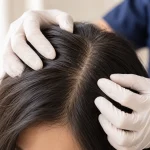
Seborrheic Dermatitis Seborrheic Dermatitis Seborrheic dermatitis is a common inflammatory skin condition that causes redness, flaking, greasy or dry scales, and sometimes itching. It most often affects areas with many oil glands, including the scalp, eyebrows, sides of the nose, ears, beard area and upper chest.
-
Psoriasis Psoriasis Psoriasis is a chronic immune-mediated inflammatory disease that most commonly affects the skin, but it can also involve the nails and joints.
-
Fungal Skin Infections Fungal Skin Infections Fungal skin infections are common causes of itchy, scaly, discolored or persistent rashes. They can affect almost any part of the body, including the feet, groin, trunk, scalp and nails.