






























HIFU vs Ultraformer: Are They the Same? What’s the Real Difference?
If you are researching nonsurgical facial lifting in Bangkok, you may have noticed that some clinics advertise HIFU, while others promote Ultraformer III or Ultraformer MPT.

If you are researching nonsurgical facial lifting in Bangkok, you may have noticed that some clinics advertise HIFU, while others promote Ultraformer III or Ultraformer MPT.
This can be confusing. Are HIFU and Ultraformer different treatments? Is Ultraformer more effective? Why do prices vary so much?
The most important fact is that HIFU is a type of ultrasound technology, while Ultraformer is a brand of devices that use this technology.
In other words, Ultraformer is a HIFU treatment, but not every HIFU treatment uses an Ultraformer device.
At Clear Skin Dermatology in Asoke, Bangkok, we believe patients should understand the actual technology, device model, expected results, and potential risks before choosing a facial lifting procedure.
This guide explains the differences between HIFU and Ultraformer, including how they work, which versions are available, how much improvement to expect, and what to consider before treatment.
What Is HIFU?
HIFU stands for High-Intensity Focused Ultrasound.
It is a technology that concentrates ultrasound energy at specific points within tissue.
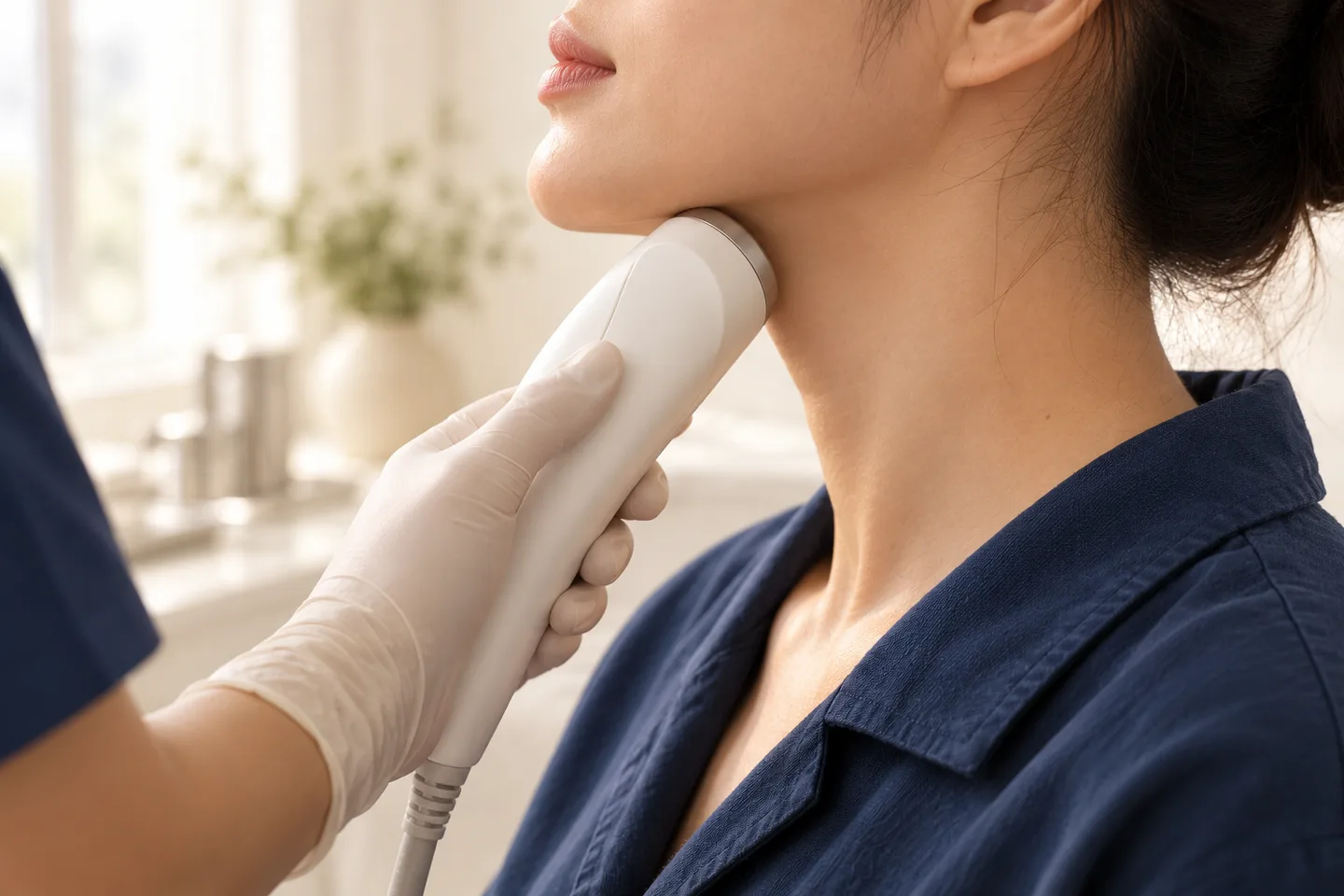
In aesthetic medicine, appropriately designed focused ultrasound devices are used to create controlled areas of heating beneath the skin without surgically cutting the surface.
This controlled heating can stimulate tissue contraction and the body’s natural collagen remodeling process.
Over the following weeks and months, some patients experience improved skin firmness and modest lifting.
How Does HIFU Tighten Skin?
HIFU treatment generally involves three processes:
- Focused energy delivery: Ultrasound energy is concentrated at selected depths beneath the skin.
- Controlled thermal effects: Small treatment zones are heated, initiating tissue contraction and a repair response.
- Collagen remodeling: Over time, the body produces and reorganizes collagen, potentially improving firmness.
The extent of improvement depends on the device, treatment parameters, anatomical area, and individual response.
HIFU is not a single standardized procedure. Different systems use different applicators, energy settings, and treatment protocols.
What Is Ultraformer?
Ultraformer is a brand of focused ultrasound devices manufactured by CLASSYS.
The Ultraformer product family includes systems such as Ultraformer III and Ultraformer MPT.
Both use HIFU-based technology for aesthetic treatment, but they differ in their energy-delivery options and device design.
Ultraformer devices are designed to treat selected tissue depths using interchangeable cartridges.
Depending on the model, they may be used for facial skin tightening, selected lifting applications, and body treatments.
Is Ultraformer a Type of HIFU?
Yes. Ultraformer is a branded HIFU system.
The relationship is similar to the difference between a technology category and a specific product.
When a clinic advertises HIFU, the term alone does not identify the manufacturer or device model.
When a clinic advertises Ultraformer III or Ultraformer MPT, it identifies a specific product family.
This distinction matters because treatment settings, applicators, comfort features, evidence, and costs may vary.
HIFU vs Ultraformer: What Is the Real Difference?
| Feature | HIFU | Ultraformer |
|---|---|---|
| What it means | A focused ultrasound technology | A specific device brand |
| Manufacturer | Depends on the device | CLASSYS |
| Technology | Focused ultrasound | Focused ultrasound |
| Available treatment depths | Vary by model | Defined by the cartridges of each Ultraformer model |
| Treatment settings | Vary by device | Model-specific settings and modes |
| Pain and comfort | Depend on device and protocol | Depend on Ultraformer model and settings |
| Clinical results | Depend on equipment and patient factors | Depend on equipment, technique, and patient factors |
| Treatment cost | Varies widely | Varies by model, clinic, and treatment plan |
Ultraformer is not a completely different technology from HIFU. It is one example of a HIFU-based treatment system.
A meaningful comparison therefore requires knowing which HIFU device is being compared with which Ultraformer model.
Ultraformer III vs Ultraformer MPT: What’s the Difference?
Patients may encounter more than one Ultraformer model.
Ultraformer III
Ultraformer III is an established focused ultrasound platform.
Its facial treatment cartridges include:
- 1.5 mm: Relatively superficial dermal treatment
- 2.0 mm: Selected superficial facial areas
- 3.0 mm: Deeper dermal treatment
- 4.5 mm: Deeper supporting tissues, depending on anatomy
The system also has deeper cartridges intended for selected body applications.
The cartridge depth refers to the intended ultrasound focal depth, not a guarantee that the same anatomical structure will be treated in every patient.
Ultraformer MPT
Ultraformer MPT is a newer system in the Ultraformer family.
It incorporates additional energy-delivery modes, including conventional focused treatment and micro-pulsed delivery.
Depending on the configuration, it also offers specialized applicators designed for different treatment areas and patterns.
Is Ultraformer MPT Better Than Ultraformer III?
Ultraformer MPT offers different technical features and treatment options.
However, newer technology does not automatically guarantee better clinical outcomes for every patient.
The manufacturer’s claims about faster treatment or improved comfort should be distinguished from independent clinical evidence.
Direct comparative studies are needed to establish whether one model consistently provides superior lifting, comfort, or durability.
Is Ultraformer More Effective Than Regular HIFU?
This question depends on what is meant by “regular HIFU.”
HIFU is a general term, not the name of one specific machine.
Some devices may have different energy controls, treatment depths, safety features, or supporting clinical data.
Therefore, it is not scientifically accurate to claim that Ultraformer is always more effective than every other HIFU device.
The effectiveness of a procedure depends on:
- Device design and quality
- Appropriate treatment cartridges
- Energy settings
- Number and distribution of treatment lines or pulses
- Facial anatomy
- Degree of skin laxity
- Practitioner experience
- Individual collagen response
A well-planned treatment with an appropriate device may be more valuable than an aggressive treatment using a well-known brand.
Which Treatment Is Better for Facial Lifting?
Both HIFU systems generally and Ultraformer specifically aim to improve skin firmness and selected lifting concerns.
Potential treatment areas include:
- Jawline
- Early jowls
- Lower face
- Under the chin
- Neck
- Selected brow areas
However, facial aging involves more than loose skin.
Some patients have facial fat loss, changes in bone support, or descent of deeper tissues.
A treatment that improves skin firmness may not fully correct these structural changes.
Patients With Mild Skin Laxity
Focused ultrasound may provide modest improvement in suitable patients.
Patients With Moderate Laxity
Some patients may benefit, but the degree of improvement is less predictable.
Patients With Severe Sagging
HIFU cannot reliably reproduce the results of a surgical facelift.
Patients with significant tissue descent or excess skin should receive realistic counseling about treatment limitations.
Is Ultraformer Less Painful Than Other HIFU Treatments?
Focused ultrasound can produce discomfort during treatment.
Patients may describe:
- Deep aching
- Tingling
- Brief sharp sensations
- Tenderness over bony areas
The intensity depends on the device, energy settings, treatment depth, anatomical location, and individual pain tolerance.
Ultraformer MPT includes design features intended to improve treatment efficiency and comfort.
However, it is not possible to conclude that Ultraformer is always less painful than every other HIFU system.
Patients should ask how discomfort will be managed during their particular treatment.
How Long Does It Take to See HIFU or Ultraformer Results?
Some patients notice early tightening.
However, the main effects generally develop gradually through collagen remodeling.
A typical pattern is:
- Immediately after treatment: Possible mild tissue tightening, swelling, or temporary changes.
- Several weeks: Gradual improvement may become noticeable.
- Two to three months: Collagen-related changes may become more apparent.
- Later months: Results may continue to evolve, depending on individual response.
These are general expectations rather than guaranteed milestones.
The degree of improvement varies between patients.
How Long Do HIFU and Ultraformer Results Last?
Results are not permanent.
The duration depends on factors such as:
- Age
- Baseline skin laxity
- Device and treatment settings
- Skin thickness
- Facial anatomy
- Individual collagen response
- Weight changes
- Continued aging
- Sun exposure
Some patients maintain visible improvement for many months.
However, a fixed duration cannot be guaranteed, and maintenance intervals should be individualized.
How Many HIFU or Ultraformer Sessions Are Needed?
Some focused ultrasound treatment protocols involve one session followed by reassessment after several months.
Other approaches may involve additional sessions.
The appropriate schedule depends on the device, treatment area, skin condition, and patient goals.
More treatment sessions or higher energy levels do not necessarily produce better results.
Excessive energy delivery may increase the risk of unwanted tissue effects.
Can HIFU or Ultraformer Cause Facial Fat Loss?
Both general HIFU systems and Ultraformer deliver thermal energy beneath the skin.
Depending on the depth, energy settings, and treatment location, subcutaneous tissue may be affected.
Unwanted changes in facial contours have been reported after some energy-based aesthetic procedures.
However, the precise risk varies and is not well established for every device or treatment protocol.
Patients with naturally thin faces, hollow cheeks, or reduced facial fat should discuss this concern before treatment.
The clinician should carefully assess:
- Facial fat distribution
- Skin and tissue thickness
- Intended treatment depth
- Energy settings
- Treatment zones
- Previous aesthetic procedures
The objective of facial tightening should not automatically be to reduce facial fat.
Are HIFU and Ultraformer Safe?
Focused ultrasound treatments generally have a favorable safety profile when performed appropriately in suitable patients.
However, side effects and complications are possible.
Common Temporary Side Effects
- Redness
- Mild swelling
- Tenderness
- Tingling
- Temporary discomfort
Less Common Complications
- Burns
- Blistering
- Altered skin sensation
- Nerve-related symptoms
- Unwanted contour changes
The likelihood depends on the device, operator technique, treatment settings, and patient factors.
The manufacturer’s instructions and device-specific contraindications should be followed.
Who Should Avoid or Delay Treatment?
Patients should inform their dermatologist about:
- Pregnancy or breastfeeding
- Active skin infection
- Open wounds in the treatment area
- Implanted electronic or metal devices
- Previous facial surgery
- Recent fillers or other aesthetic procedures
- Significant facial volume loss
- Neurological conditions
- Medical conditions affecting wound healing
These factors do not all represent absolute contraindications for every device, but they require assessment.
Why Do HIFU and Ultraformer Prices Vary So Much?
The price of a focused ultrasound treatment can differ substantially between clinics.
Important factors include:
- The exact device manufacturer and model
- Whether the treatment uses authentic compatible cartridges
- The treatment area
- Number and distribution of treatment lines
- Practitioner expertise
- Clinic operating costs
- Follow-up care
A low advertised price does not necessarily indicate poor quality, just as a high price does not guarantee better results.
Patients should compare the actual treatment plan rather than relying on the price alone.
Questions to Ask Before Booking
- What is the exact brand and model of the HIFU device?
- Is it Ultraformer III, Ultraformer MPT, or another system?
- Which treatment areas and depths are planned?
- Who will assess my facial anatomy and perform the procedure?
- What degree of improvement is realistic for my face?
- What are the possible side effects and risks?
- What is included in the treatment price?
These questions are often more useful than asking whether “HIFU or Ultraformer” is better.
What Does the Scientific Evidence Say?
Published research supports the use of selected focused ultrasound systems for improving mild to moderate facial skin laxity.
A systematic review of microfocused ultrasound studies found measurable improvements in selected facial lifting and skin-tightening outcomes, although results varied and were generally modest.
Other reviews have reported improvements in appearance and patient satisfaction, alongside temporary discomfort and other usually mild adverse effects.
However, studies often involve different devices, patient groups, and treatment protocols.
Evidence supporting focused ultrasound as a treatment category does not prove that every HIFU device produces identical results.
Similarly, studies of one ultrasound device cannot automatically establish the effectiveness or superiority of Ultraformer III or Ultraformer MPT.
HIFU vs Ultraformer: Which One Should You Choose?
The choice should begin with a medical assessment, not a comparison between a technology category and a brand name.
| Your concern | What matters most |
|---|---|
| Mild facial sagging | Whether focused ultrasound is suitable for your anatomy |
| Early jowls | Cause of sagging and realistic expected improvement |
| Loose skin under the chin | Skin thickness, tissue distribution, and treatment goals |
| Thin face or hollow cheeks | Avoiding unwanted facial contour changes |
| Sensitivity to pain | Device settings and comfort measures |
| Limited budget | Exact device, treatment plan, and total cost |
| Significant sagging | Whether nonsurgical treatment can meet expectations |
A properly selected device and individualized treatment plan matter more than marketing terminology.
HIFU and Ultraformer Consultation at Clear Skin Dermatology Bangkok
Clear Skin Dermatology is a medical dermatology clinic located in Asoke, Bangkok, Thailand.
Patients interested in nonsurgical skin tightening can consult a dermatologist about:
- Mild facial laxity
- Early jowls
- Jawline definition
- Loose skin beneath the chin
- Neck skin laxity
- Age-related changes in skin firmness
During a consultation, the dermatologist can assess facial anatomy, skin thickness, fat distribution, and treatment goals.
The discussion should cover expected benefits, limitations, possible complications, and appropriate treatment options.
Patients interested in a particular Ultraformer model or other HIFU system should confirm device availability with the clinic before booking.
Clear Skin Dermatology
Medical Dermatology & Skin Cancer Clinic
Asoke, Bangkok, Thailand
Frequently Asked Questions
1. Are HIFU and Ultraformer the same thing?
Not exactly. HIFU is a focused ultrasound technology, while Ultraformer is a brand of devices that use this technology. Ultraformer is a type of HIFU treatment.
2. Is Ultraformer better than regular HIFU?
Not necessarily. “Regular HIFU” does not identify a specific device. Effectiveness depends on the exact machine, treatment settings, clinician, and patient characteristics.
3. What is the difference between Ultraformer III and Ultraformer MPT?
Both use focused ultrasound. Ultraformer MPT incorporates additional energy-delivery modes and applicator options. These technical differences do not automatically establish superior clinical outcomes.
4. Is Ultraformer more painful than HIFU?
Ultraformer itself uses HIFU technology. Pain comparisons are meaningful only when comparing specific devices and treatment protocols.
5. Does Ultraformer lift the face?
Ultraformer may provide modest lifting and tightening in appropriately selected patients with mild to moderate laxity. It does not replace surgical lifting.
6. How long does Ultraformer take to work?
Some early changes may occur, but improvement generally develops over several weeks to months as collagen remodeling progresses.
7. How long do Ultraformer results last?
Results vary and are not permanent. Some patients maintain improvement for many months, but the duration cannot be guaranteed.
8. Can Ultraformer cause facial fat loss?
Unwanted facial contour changes are possible with thermal energy-based treatments. Risk depends on treatment depth, settings, anatomy, and technique.
9. How many Ultraformer sessions do I need?
Some protocols use a single session followed by reassessment. The appropriate number depends on the patient’s concerns and the device-specific treatment plan.
10. Why is Ultraformer sometimes more expensive than HIFU?
HIFU is a general term covering multiple devices. Prices vary with the specific equipment, cartridges, treatment plan, practitioner, and clinic.
11. Is Ultraformer MPT better than Ultraformer III?
Ultraformer MPT has additional technical features, but direct clinical evidence is needed to determine whether it consistently provides better results for a particular concern.
12. How can I know which HIFU machine a clinic uses?
Ask for the exact manufacturer and model, and discuss the planned treatment areas, settings, and expected results before booking.
Final Thoughts: HIFU vs Ultraformer
HIFU and Ultraformer are not competing categories of skin-tightening technology.
HIFU is the technology. Ultraformer is one brand that uses it.
The meaningful differences lie between specific devices, their treatment capabilities, operator technique, and suitability for the individual patient.
If you are considering facial lifting or skin tightening in Bangkok, a dermatologist can help assess whether focused ultrasound is appropriate and which treatment approach offers a reasonable balance of benefit and safety.
For a skin-tightening consultation, contact Clear Skin Dermatology in Asoke, Bangkok.
Medical disclaimer: This article provides general educational information and does not replace an individual medical consultation. Treatment outcomes and risks vary between patients.
Medical References
Medically reviewed by
Reviewed on
Related articles
-
Aesthetic & Skin Rejuvenation Rejuran vs Plinest vs Vitaran for Acne Scars, Enlarged Pores, and Skin Texture Which is better for acne scars and enlarged pores: Rejuran, Plinest, or Vitaran?

-
Aesthetic & Skin Rejuvenation Rejuran vs Plinest vs Vitaran for Anti-Aging and Skin Rejuvenation: Which Is Better? Rejuran, Plinest, and Vitaran are polynucleotide-based injectable product families increasingly discussed for skin rejuvenation. They are often promoted for improving fine lines, skin texture, and elasticity.

-
Aesthetic & Skin Rejuvenation Rejuran vs Plinest vs Vitaran: Which PN Skin Booster Is Best in Bangkok? Rejuran, Plinest, and Vitaran are injectable skin rejuvenation products associated with polynucleotides (PN), a group of DNA-derived molecules being studied for their potential to improve skin quality.