













Vitiligo
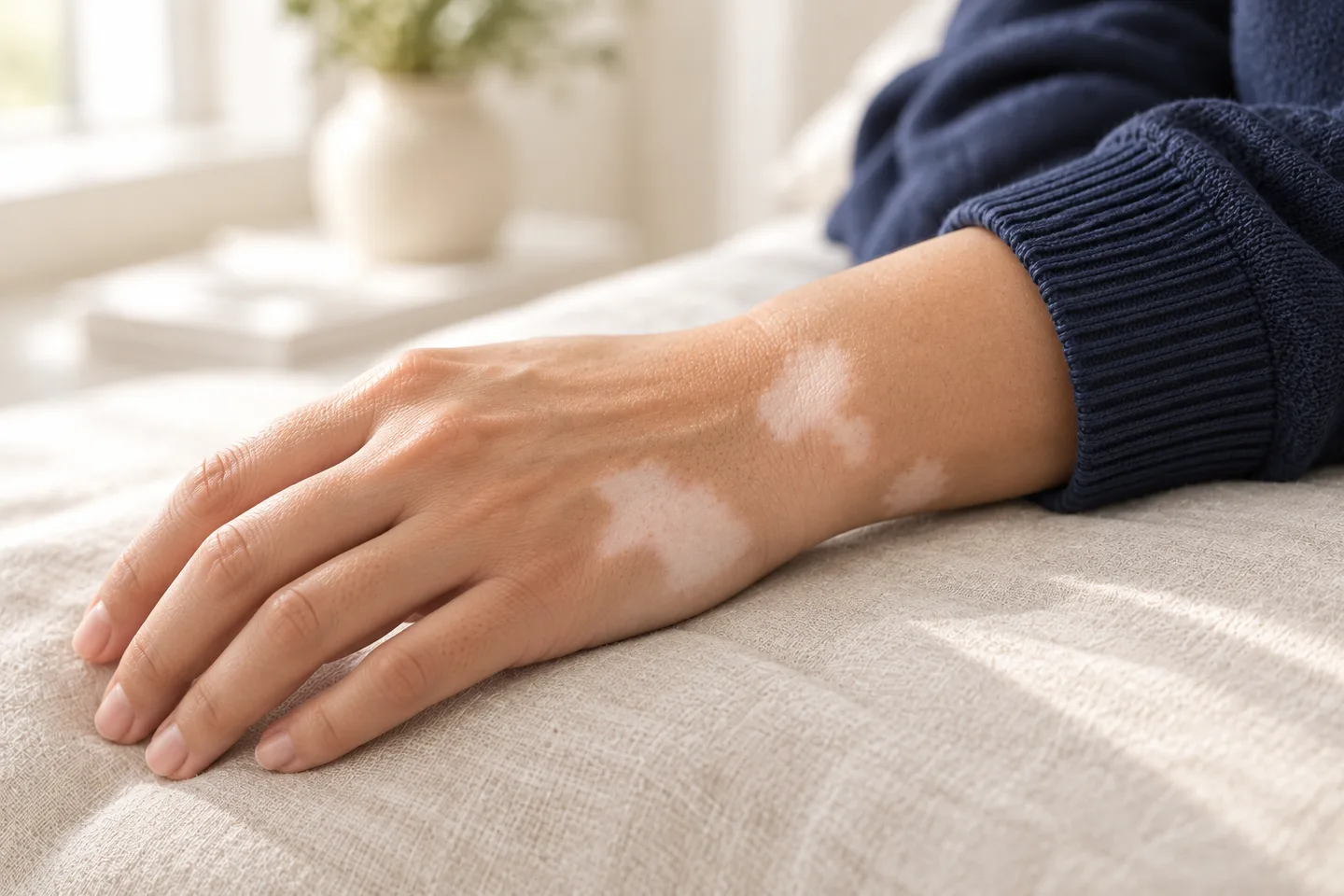
Vitiligo is a chronic condition in which the skin loses pigment because melanocytes—the cells that produce melanin—are damaged or lost. This causes well-defined white or depigmented patches that may appear on the face, hands, feet, around body openings, or almost anywhere on the body.
Vitiligo is not contagious, is not caused by poor hygiene, and is not a fungal infection. It is generally considered an autoimmune pigmentary disorder, although genetics and other biological factors also contribute.
Treatment aims to do two things:
- Stabilize active disease and reduce further spread
- Encourage repigmentation where possible
There is no treatment that guarantees permanent cure or complete repigmentation. Response depends strongly on the location, duration of the patches, whether white hair is present, disease activity, and the treatment used.
For Thai patients, expats, tourists and international patients in Bangkok, confirming the diagnosis is important because several other conditions can also produce pale or white patches and require different treatment.
What Is Vitiligo?
Vitiligo is an acquired depigmentation disorder caused by loss of functioning melanocytes.
Melanocytes are the cells that produce melanin, the pigment responsible for skin and hair color.
When these cells are destroyed or stop functioning, affected skin becomes much lighter than surrounding skin and may eventually become completely white.
The most widely accepted explanation is that the immune system mistakenly targets melanocytes. Vitiligo is therefore considered an immune-mediated or autoimmune disorder.
Vitiligo itself usually does not cause physical illness, but the visible color difference can have a significant psychological and social impact.
What Does Vitiligo Look Like?
Typical vitiligo causes:
- Milky-white or chalk-white patches
- Clear borders
- Complete or near-complete loss of skin pigment
- No scale in most cases
- Usually no pain
- Usually no itching
The patches may be:
- Small and localized
- Multiple and symmetrical
- Slowly expanding
- Rapidly spreading during active disease
- Stable for long periods
The hair inside a vitiligo patch can remain pigmented or may become white. White hair within a patch is called leukotrichia or poliosis and can affect the scalp, eyebrows, eyelashes or body hair.
Where Does Vitiligo Commonly Occur?
Vitiligo can occur anywhere, but common sites include:
- Face
- Around the eyes
- Around the mouth
- Lips
- Fingers
- Hands
- Knuckles
- Wrists
- Elbows
- Knees
- Feet
- Armpits
- Groin
- Around the navel
- Genital area
Vitiligo may also appear in areas exposed to repeated friction or injury.
Why Does Vitiligo Sometimes Appear Where the Skin Is Injured?
Some patients develop new patches after:
- Scratching
- Cuts
- Friction
- Burns
- Sunburn
- Tight clothing
- Repeated pressure
This is called the Koebner phenomenon.
It means that physical injury to the skin can trigger new vitiligo lesions in susceptible patients.
This is one reason aggressive rubbing, repeated skin trauma and sunburn should be avoided when vitiligo is active.
Is Vitiligo Contagious?
No.
Vitiligo cannot be transmitted through:
- Touch
- Hugging
- Kissing
- Sex
- Sharing towels
- Swimming pools
- Food
- Living together
It is not caused by bacteria, fungus or a contagious infection.
Is Vitiligo Dangerous?
Vitiligo itself is generally benign and does not damage internal organs.
However, it deserves medical evaluation because:
- Other conditions can resemble vitiligo
- Vitiligo can sometimes be associated with autoimmune diseases
- Active disease may spread
- Depigmented skin burns more easily in the sun
- The psychological impact can be substantial
The disease is therefore medically benign in most patients, but it should not be dismissed as “only cosmetic.
”
What Causes Vitiligo?
There is no single cause.
Current understanding suggests that several factors interact:
- Autoimmune activity
- Genetic susceptibility
- Oxidative stress
- Abnormal melanocyte survival
- Environmental factors
- Skin injury in susceptible patients
The immune system, particularly certain T-cell pathways, appears to play an important role in destroying melanocytes.
Is Vitiligo Hereditary?
There is a genetic component, but inheritance is complex.
Having a family member with vitiligo may increase susceptibility, but it does not mean that a child will definitely develop the condition.
Many patients have no known family history.
Vitiligo is therefore better described as multifactorial, rather than a simple inherited disorder.
Is Vitiligo an Autoimmune Disease?
Vitiligo is widely considered an autoimmune or immune-mediated disease.
The immune system mistakenly recognizes pigment-producing melanocytes as targets and contributes to their destruction.
Vitiligo can also occur together with other autoimmune conditions, especially autoimmune thyroid disease.
However, having vitiligo does not automatically mean that a patient has another autoimmune disease.
Vitiligo and Thyroid Disease
Thyroid disease is one of the better-recognized autoimmune conditions associated with vitiligo.
Depending on the history and clinical situation, a dermatologist may consider thyroid evaluation, especially when there are:
- Symptoms of thyroid disease
- Personal autoimmune history
- Strong family history
- Extensive vitiligo
- Other autoimmune symptoms
Routine extensive autoimmune screening is not necessarily required for every patient.
Testing should be individualized.
What Other Autoimmune Conditions Can Occur With Vitiligo?
Vitiligo may occasionally coexist with conditions such as:
- Autoimmune thyroid disease
- Alopecia areata
- Type 1 diabetes
- Pernicious anemia
- Addison disease
- Rheumatoid arthritis
- Lupus
- Psoriasis
- Lichen sclerosus
These associations do not mean that most vitiligo patients will develop these conditions.
They simply explain why dermatologists may ask about symptoms outside the skin.
Does Stress Cause Vitiligo?
Stress is frequently reported by patients around the time vitiligo starts or worsens.
However, stress alone is not considered the cause of vitiligo.
Vitiligo is an immune-mediated biological disease.
Emotional stress may potentially influence disease activity in some individuals, but the relationship is complex and not predictable.
Patients should not be made to feel that they caused their vitiligo by being stressed.
Does Vitamin Deficiency Cause Vitiligo?
There is no single vitamin deficiency that explains ordinary vitiligo.
Vitamin B12 deficiency and other autoimmune conditions can occasionally coexist with vitiligo, but taking supplements does not reliably restore pigment unless a genuine nutritional deficiency is present.
Routine high-dose vitamin supplementation should not be presented as a cure.
Can Food Cause Vitiligo?
There is no established food that directly causes vitiligo in most patients.
Patients are sometimes advised online to avoid:
- Dairy
- Citrus
- Seafood
- Gluten
- Coffee
- Certain vegetables
- Combinations of foods
There is not enough evidence to recommend broad restrictive diets for ordinary vitiligo.
A balanced diet is generally more appropriate unless another medical condition requires dietary modification.
Does Vitiligo Spread?
It can.
The course is unpredictable.
Some patients develop one or two patches that remain unchanged for years.
Others experience periods where:
- Existing patches expand
- New spots appear
- Multiple small “confetti-like” lesions develop
Vitiligo may then stabilize again.
This alternating pattern of activity and stability can continue over many years.
How Can You Tell if Vitiligo Is Active?
Signs that may suggest active or progressive disease include:
- New white patches
- Existing patches expanding
- Multiple tiny new white spots
- Vitiligo appearing in areas of friction or injury
- Rapid changes over weeks or months
- Inflammatory or slightly red borders in some patients
Photographs taken under similar lighting can be useful for monitoring progression.
Types of Vitiligo
Vitiligo is classified according to distribution and behavior.
Non-Segmental Vitiligo
This is the most common form.
It often affects both sides of the body relatively symmetrically.
Patterns can include:
- Generalized vitiligo
- Acrofacial vitiligo
- Mucosal vitiligo
- Focal patterns
- Extensive or universal disease
Non-segmental vitiligo may alternate between active and stable periods.
Acrofacial Vitiligo
This pattern primarily involves:
- Fingers
- Toes
- Around the mouth
- Lips
- Face
Hands and feet are often particularly difficult to repigment because they have fewer hair follicles, which are an important source of melanocytes during repigmentation.
Segmental Vitiligo
Segmental vitiligo usually affects one side of the body and tends to follow a localized pattern.
It often:
- Begins at a younger age
- Spreads relatively quickly at first
- Then stabilizes
- Does not usually cross the body’s midline
White hair within the patch may be more common.
Stable segmental vitiligo can sometimes be considered for surgical pigment-restoration procedures in appropriately selected patients.
Mucosal Vitiligo
Vitiligo can involve mucosal or semi-mucosal areas such as:
- Lips
- Genital area
- Oral mucosa
Treatment response in these areas may be less predictable.
Universal Vitiligo
In very extensive disease, most of the body’s normal skin pigment may be lost.
Management may then involve different goals from localized disease, including camouflage, sun protection and, in selected exceptional situations, discussion of depigmentation strategies.
Vitiligo in Asian and Darker Skin
Vitiligo occurs in all skin tones.
It is often much more visually noticeable in Asian and darker skin because of the contrast between depigmented and normally pigmented skin.
This can make small patches appear particularly obvious.
For Thai patients, treatment goals may therefore include not only repigmentation but also minimizing contrast and preventing tanning or sunburn of surrounding skin.
Vitiligo itself behaves similarly across skin colors; the main difference is visibility and cosmetic impact.
Vitiligo vs Tinea Versicolor
Tinea versicolor is a superficial yeast-related condition that can create pale patches and is commonly mistaken for vitiligo.
Tinea versicolor may show:
- Fine scale
- Multiple patches on the chest, back or neck
- Less complete pigment loss
- Occasional mild itch
Vitiligo typically shows more complete depigmentation and does not usually have scale.
A clinical examination and sometimes fungal testing can distinguish them.
Vitiligo vs Pityriasis Alba
Pityriasis alba is common in children and people with eczema-prone skin.
It typically causes:
- Light-colored patches
- Mild dryness
- Fine scale
- Less sharply defined borders
- Partial rather than complete pigment loss
It is not the same as vitiligo.
Vitiligo vs Post-Inflammatory Hypopigmentation
After eczema, psoriasis, infection, burns or other inflammation, skin can temporarily become lighter.
This is called post-inflammatory hypopigmentation.
Unlike vitiligo, melanocytes may still be present and pigmentation may gradually recover as inflammation resolves.
Vitiligo vs Nevus Depigmentosus
Nevus depigmentosus is a stable pale patch that often begins early in life.
It usually:
- Appears during childhood
- Remains relatively stable
- Does not progressively depigment like active vitiligo
Wood’s lamp examination and history can help distinguish the conditions.
Vitiligo vs Chemical Leukoderma
Exposure to certain chemicals can produce depigmentation that resembles vitiligo.
Potential exposures may occur through:
- Occupational chemicals
- Adhesives
- Rubber-related products
- Certain phenolic compounds
- Repeated topical exposure
The distribution of lesions and exposure history become important clues.
How Is Vitiligo Diagnosed?
Vitiligo is usually diagnosed clinically.
A dermatologist looks at:
- Color of the patches
- Border
- Distribution
- Symmetry
- Hair color within lesions
- Areas of friction
- Mucosal involvement
- Whether lesions appear active or stable
Most patients do not need a biopsy.
Wood’s Lamp Examination
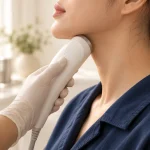
A Wood’s lamp emits ultraviolet A light and can make areas of depigmentation much easier to see.
In vitiligo, the white areas typically become sharply accentuated.
Wood’s lamp examination is particularly useful for:
- Early lesions
- Light skin
- Partial pigment loss
- Defining the true extent of disease
- Monitoring treatment response
- Differentiating vitiligo from some causes of hypopigmentation It is a useful diagnostic aid but is interpreted together with clinical findings.
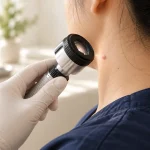
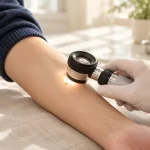
Dermoscopy
Dermoscopy can help examine pigment patterns at higher magnification.
It may provide additional clues about:
- Vitiligo activity
- Remaining pigment
- Perifollicular pigmentation
- Differential diagnosis
It is usually an adjunct rather than a stand-alone diagnostic test.
Do I Need a Skin Biopsy?
Usually not.
Vitiligo often has a characteristic clinical appearance.
Biopsy may occasionally be considered if:
- Diagnosis is uncertain
- The lesion is inflammatory
- Another depigmenting disease is suspected
- Cutaneous lymphoma or another unusual condition needs to be excluded
Do I Need Blood Tests?
Not everyone with vitiligo needs extensive laboratory testing.
Depending on symptoms and history, selected tests may be considered for associated autoimmune disease, especially thyroid disease.
Possible investigations may include:
- Thyroid function testing
- Selected thyroid antibodies
- Vitamin B12 evaluation in appropriate patients
- Additional autoimmune tests when clinically indicated
Tests should be chosen based on the patient’s history rather than automatically ordering a large screening panel.
How Is Vitiligo Severity Assessed?
A dermatologist may consider:
- Percentage of body surface affected
- Number of sites involved
- Face involvement
- Hands and feet
- Genital or mucosal involvement
- Hair whitening
- Disease activity
- Rate of progression
- Duration
- Psychological impact
Formal scoring systems such as the Vitiligo Area Scoring Index (VASI) may be used in clinical trials or selected clinical settings.
For routine care, standardized photographs are often extremely useful.
Can Vitiligo Be Cured Permanently?
There is currently no treatment that guarantees a permanent cure.
Treatment goals are:
- Stop or slow active disease
- Repigment existing white patches
- Maintain repigmentation
- Reduce the visual contrast
- Support quality of life
Even after successful repigmentation, recurrence can occur.
Vitiligo should therefore be considered a chronic disease that may require long-term follow-up.
Which Areas Respond Best to Vitiligo Treatment?
Treatment response varies strongly by body location.
The face and neck generally respond better than:
- Hands
- Fingers
- Feet
- Toes
Areas with many hair follicles tend to respond better because hair follicles contain melanocyte reservoirs that can contribute to repigmentation.
Long-standing lesions with white hair tend to respond less well.
What Does Repigmentation Look Like?
Successful pigment recovery often begins as small brown spots around hair follicles.
This is called perifollicular repigmentation.
Over time, these small islands may enlarge and merge.
Repigmentation can also occur from the border of a patch.
The early appearance may look uneven, which is normal during the repigmentation process.
How Is Vitiligo Treated?
Treatment depends on:
- Age
- Vitiligo type
- Location
- Disease duration
- Whether disease is active
- Amount of skin involved
- Hair color within lesions
- Previous treatment
- Patient preferences
Treatment may include:
- Sun protection
- Cosmetic camouflage
- Topical corticosteroids
- Topical calcineurin inhibitors
- Topical JAK inhibitors in appropriate settings
- Narrowband UVB
- Targeted phototherapy
- Systemic therapy for rapidly progressive disease
- Surgical treatment for selected stable vitiligo
No single treatment is appropriate for every patient.
Sun Protection
Depigmented skin has less melanin protection.
It therefore burns more easily.
Sunburn should be avoided because it can:
- Damage depigmented skin
- Trigger Koebner phenomenon
- Potentially encourage new vitiligo lesions
- Increase contrast when surrounding skin tans
Practical sun protection in Bangkok may include:
- Broad-spectrum sunscreen
- Hats
- Clothing
- Seeking shade
- Avoiding intense midday sun when practical
Thailand’s strong UV exposure makes sun protection particularly relevant.
Does Sunlight Treat Vitiligo?
Controlled ultraviolet treatment can help vitiligo.
Uncontrolled sun exposure is different.
Sunlight intensity varies and excessive exposure can cause burns.
Medical phototherapy is designed to give a measured ultraviolet dose while minimizing excessive exposure.
Therefore, patients should not intentionally burn or aggressively tan the skin to treat vitiligo.
Cosmetic Camouflage
Some patients prefer not to actively repigment every patch.
Cosmetic options can include:
- Camouflage makeup
- Skin-tone cosmetics
- Self-tanning products containing dihydroxyacetone
- Waterproof camouflage products
These do not treat the immune process but can reduce visible contrast.
For some patients, especially while waiting for medical treatment to work, camouflage can be very useful.
Topical Corticosteroids
Topical corticosteroids can suppress local inflammation and may help repigment localized vitiligo.
They are generally more appropriate for selected lesions on:
- Trunk
- Arms
- Legs
The strength and duration must be chosen according to:
- Body site
- Age
- Skin thickness
- Treatment duration
Potential side effects of prolonged inappropriate use include:
- Skin thinning
- Stretch marks
- Visible blood vessels
- Steroid-related eruptions
They are therefore not simply applied indefinitely.
Tacrolimus and Pimecrolimus
Topical calcineurin inhibitors such as tacrolimus and pimecrolimus are commonly used as steroid-sparing treatments.
They are particularly useful on:
- Face
- Eyelids
- Neck
- Skin folds
- Other thin or sensitive skin
Unlike topical corticosteroids, they do not cause steroid-type skin atrophy.
Temporary burning or stinging can occur when first started.
Ruxolitinib Cream and JAK Inhibition
One of the most important newer developments in vitiligo treatment is topical JAK inhibition.
Ruxolitinib cream inhibits JAK1 and JAK2 pathways involved in the inflammatory signaling associated with vitiligo.
The U.S. FDA has approved ruxolitinib cream for non-segmental vitiligo in adults and children aged 12 years and older, with treatment applied to affected areas within specified body-surface limits. Repigmentation may require treatment for more than 24 weeks.
Clinical response is generally better on the face than on hands and feet.
Important limitations include:
- Treatment can take months
- Not everyone responds
- Repigmentation may be incomplete
- Continued treatment may be necessary
- Local approval and availability differ between countries
Patients in Thailand should therefore discuss whether a particular JAK inhibitor is locally approved, available and appropriate rather than assuming U.S. approval automatically applies in Thailand.
Narrowband UVB for Vitiligo
Narrowband UVB, or NB-UVB, is one of the most established phototherapy treatments for more widespread vitiligo.
It uses a controlled wavelength of ultraviolet B light.
It may help by:
- Reducing autoimmune activity against melanocytes
- Stimulating melanocyte migration and repigmentation
- Supporting pigment recovery from hair follicles
Phototherapy is generally performed repeatedly over many months.
Treatment response is gradual rather than immediate.
Who May Benefit From NB-UVB?
NB-UVB may be considered when:
- Vitiligo affects multiple areas
- Topical treatment alone is impractical
- Disease is progressive
- Face or trunk lesions need treatment
- A combination approach is appropriate
Location remains important.
Face and neck generally respond better than hands and feet.
Advantages of NB-UVB
Potential advantages include:
- Can treat many areas at once
- Does not require systemic immune suppression
- Can be combined with topical therapy
- Has extensive clinical experience in vitiligo
Limitations of NB-UVB
Limitations include:
- Requires repeated sessions
- Repigmentation takes time
- Hands and feet respond poorly in many patients
- Response varies
- Recurrence remains possible
For people living or working in Bangkok, the practicality of attending repeated phototherapy sessions can influence whether this treatment is suitable.
Side Effects of Phototherapy
Possible effects include:
- Redness
- Dryness
- Itching
- Temporary tanning of unaffected skin
- Burning if the dose is excessive
The goal is controlled treatment, not sunburn.
Excessive UV injury can potentially worsen vitiligo through the Koebner phenomenon.
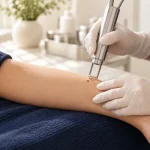
Excimer Laser / Targeted UVB
Targeted phototherapy can deliver UVB to smaller areas of vitiligo while reducing exposure to normal surrounding skin.
One established form is the 308-nm excimer laser.
It may be useful for:
- Localized lesions
- Facial lesions
- Smaller treatment areas
Potential advantages include targeted delivery.
Limitations include:
- Not practical for very widespread disease
- Requires repeated sessions
- Response varies by location
- Hands and feet can remain difficult to treat
The existence of targeted UV treatment as a medical option should not be taken to mean that every clinic has a specific device.
Can Treatments Be Combined?
Yes.
Combination therapy is often used because different treatments address different parts of the disease process.
Examples may include:
- Topical medication + NB-UVB
- Tacrolimus + phototherapy
- Ruxolitinib cream + other treatment in selected settings
- Stabilization treatment followed by repigmentation treatment The exact combination should be individualized.
Treatment for Rapidly Progressive Vitiligo
When vitiligo is spreading rapidly, the priority may initially be disease stabilization rather than immediate repigmentation.
Selected systemic anti-inflammatory treatments have been used to slow progression.
For example, short intermittent systemic corticosteroid regimens have been used in active rapidly progressive vitiligo under specialist supervision.
However, systemic steroids have important potential side effects and are not suitable for routine indefinite treatment.
They should not be self-prescribed.
Surgical Treatment for Stable Vitiligo
For selected patients with stable vitiligo, especially stable segmental disease, surgical pigment-restoration procedures may be considered.
Techniques described include:
- Mini-punch grafting
- Suction blister grafting
- Split-thickness grafting
- Non-cultured melanocyte–keratinocyte transplantation
- Cultured melanocyte techniques
The goal is to introduce functioning pigment-producing cells into depigmented skin.
Who Is Suitable for Vitiligo Surgery?
Surgical treatment is generally considered only when disease is stable.
It is not usually appropriate when:
- New patches are appearing
- Existing patches are expanding
- Koebner phenomenon is active
- Disease activity is uncertain
Patient selection is therefore critical.
Limitations of Surgical Treatment
Possible limitations include:
- Not suitable for active disease
- Color match may not be perfect
- Repigmentation may be incomplete
- Donor-site changes may occur
- Scarring or textural change is possible
- Results depend on location and technique
Surgery is therefore not a universal solution for vitiligo.
Tattooing and Micropigmentation
Micropigmentation or medical tattooing may help camouflage selected stable areas.
It can be considered in some cosmetically important sites.
Limitations include:
- Pigment may not perfectly match surrounding skin
- Normal skin tone changes with tanning
- Tattoo pigment can change over time
- Skin injury could theoretically trigger Koebnerization in susceptible patients This approach is generally more appropriate in carefully selected stable disease.
Depigmentation Therapy
In exceptional cases where vitiligo is extremely extensive and only small areas of normally pigmented skin remain, some patients may consider removing the remaining pigment to create a more uniform appearance.
This is a major and usually irreversible decision.
It is not a routine treatment for localized vitiligo and requires careful specialist counseling.
Can Vitiligo Come Back After Treatment?
Yes.
Even after successful repigmentation, vitiligo can recur.
This may occur:
- At previously treated sites
- At new locations
- During renewed disease activity
Maintenance therapy may sometimes be considered after successful repigmentation, depending on the treatment and disease pattern.
Vitiligo should therefore be viewed as a chronic disease rather than a one-time pigment problem.
How Long Does Vitiligo Treatment Take?
Vitiligo treatment requires patience.
Pigment cells migrate and repopulate the skin slowly.
Visible improvement generally takes months rather than days or a few weeks.
Some treatments may need to continue for many months before the full response can be assessed.
Patients should be cautious of treatments claiming dramatic permanent repigmentation within a very short period.
Why Are Hands and Feet Hard to Treat?
Hands, fingertips, feet and toes contain fewer hair follicles than areas such as the face.
Hair follicles are an important source of melanocyte stem cells that help restore pigment.
This is one reason these areas often respond poorly compared with the face and neck.
What Does White Hair Inside a Vitiligo Patch Mean?
White hair suggests that melanocytes within the hair follicle may also have been lost.
Because the follicle acts as an important source for repigmentation, patches with leukotrichia often respond less well to ordinary medical treatment.
It does not mean treatment is impossible, but expectations should be realistic.
Can Vitiligo Cause Hair Loss?
Vitiligo itself changes pigment rather than destroying hair follicles.
Therefore it usually does not directly cause hair loss.
However, vitiligo can coexist with alopecia areata, another autoimmune disease that causes patches of hair loss.
New bald patches should therefore be evaluated separately rather than assumed to be part of vitiligo.
Can Vitiligo Affect the Eyes or Hearing?
Ordinary vitiligo primarily affects skin and hair pigment.
Rare syndromes involving melanocytes can affect other organs, but these are not typical of routine vitiligo.
Eye pain, visual problems or hearing changes should therefore not simply be attributed to vitiligo without appropriate assessment.
Can Children Have Vitiligo?
Yes.
Vitiligo can begin during childhood.
Evaluation considers:
- Disease type
- Rate of progression
- Location
- Age
- Psychological impact
- Treatment safety
Treatment choices and medication strength must be adjusted appropriately for children.
Vitiligo During Pregnancy
Treatment planning may need to change during pregnancy or breastfeeding.
Some topical or systemic treatments may not be appropriate.
Patients who are pregnant, planning pregnancy or breastfeeding should inform their dermatologist before starting or continuing vitiligo therapy.
Does Vitiligo Affect Mental Health?
It can.
Because vitiligo is visible, patients may experience:
- Reduced confidence
- Social anxiety
- Avoidance of photographs
- Concerns about relationships
- Workplace embarrassment
- Bullying
- Misunderstanding that vitiligo is contagious
This impact can be particularly strong when patches involve the face or when there is a large contrast with surrounding skin.
Psychological impact is a legitimate part of disease severity and should be considered during treatment planning.
Vitiligo and Sun Exposure in Bangkok
Sun protection is especially important in Thailand.
Depigmented skin lacks normal melanin protection and burns more easily.
At the same time, surrounding normal skin can tan, increasing the contrast between pigmented and depigmented areas.
Practical measures may include:
- Broad-spectrum sunscreen
- Shade
- Hat or umbrella
- Protective clothing
- Avoiding deliberate sunburn
- Reapplying sunscreen when outdoors for extended periods
For patients receiving phototherapy, additional sun exposure should be discussed with the treating dermatologist to avoid excessive cumulative UV exposure.
What Should You Avoid if You Have Active Vitiligo?
Useful general measures include:
- Avoid sunburn
- Minimize repeated skin trauma
- Avoid aggressive scrubbing
- Reduce chronic friction when possible
- Avoid unproven chemical bleaching products
- Avoid repeatedly changing strong topical medications without medical guidance Patients do not generally need to stop normal exercise, swimming or daily activities simply because they have vitiligo.
When Should You See a Dermatologist for White Patches?
Consider dermatology assessment when:
- You develop a new white patch
- Patches are spreading
- You are unsure if it is vitiligo
- White areas involve the face
- Hands or feet are affected
- Hair within the patch is turning white
- Multiple new spots are appearing
- The disease is affecting confidence
- You want to discuss NB-UVB or topical treatment
- Previous treatment has failed
- A child develops new depigmented patches
- There are symptoms suggesting another autoimmune condition
Early assessment can be particularly useful when disease is actively progressing because treatment goals may differ from those for long-standing stable vitiligo.
Warning Signs That May Suggest Another Diagnosis
Vitiligo usually does not cause:
- Significant scale
- Pain
- Ulceration
- Pus
- Persistent intense redness
- Thick crusting
- Severe itching
If a “white patch” has these features, another diagnosis may be more likely.
Prompt assessment is also appropriate if pigmentation changes occur with:
- Numbness
- Loss of sensation
- Skin thickening
- Significant inflammation
- Rapid systemic illness
- Unexplained neurological symptoms
What to Expect During a Vitiligo Consultation in Bangkok
A dermatology consultation may include examination of:
- Face
- Eyelids
- Lips
- Hands
- Fingertips
- Feet
- Trunk
- Armpits
- Groin
- Scalp
- Hair within the patches
The dermatologist may ask:
- When did the first patch appear?
- Are new patches appearing?
- Are existing patches expanding?
- Is there family history?
- Is there thyroid or autoimmune disease?
- Has the skin been injured before new lesions appeared?
- Are you using any topical products or chemicals?
- Which treatments have already been tried?
- Is the disease affecting quality of life?
Wood’s lamp examination may be used when helpful.
Blood testing may be considered selectively.
Treatment is then chosen according to whether the vitiligo is:
- Active or stable
- Localized or widespread
- Segmental or non-segmental
- On responsive or difficult body sites
What Should International Patients Bring?
For expats, tourists and international patients consulting for vitiligo in Bangkok, useful information includes:
- Photographs showing how patches changed over time
- Previous Wood’s lamp photographs if available
- Previous blood-test results
- Thyroid test results if previously performed
- Names and photographs of creams used
- Previous phototherapy records
- Number and frequency of phototherapy sessions
- Previous treatment response
- Previous biopsy reports if the diagnosis was uncertain
This can prevent unnecessary repetition of investigations and help determine whether the disease is active or stable.
Good Vitiligo Treatment Starts by Asking Whether the Disease Is Active
Vitiligo is more than simply a white patch.
Before deciding on treatment, useful questions include:
- Is this definitely vitiligo?
- Is the disease currently spreading or stable?
- Is it segmental or non-segmental?
- Which body areas are involved?
- Is there white hair within the patches?
- Are there signs of associated autoimmune disease?
- Would topical treatment be practical?
- Would phototherapy be appropriate?
- Is a newer targeted treatment worth considering?
- Is the disease stable enough to discuss surgical treatment?
The goal should not be to promise complete repigmentation.
A good treatment plan balances disease stabilization, realistic repigmentation potential, safety, treatment burden and the patient’s own priorities.
Vitiligo can be difficult to treat, particularly on the hands and feet, but modern treatment options now include topical anti-inflammatory therapy, NB-UVB, targeted phototherapy, topical JAK inhibition and surgical approaches for carefully selected stable cases.
Frequently asked questions
What is vitiligo?
Vitiligo is an acquired pigment disorder in which melanocytes are lost, causing well-defined white patches of skin.
Is vitiligo contagious?
No.
It cannot spread between people.
Is vitiligo an autoimmune disease?
It is generally considered an autoimmune or immune-mediated disease in which the immune system contributes to melanocyte destruction.
What causes vitiligo?
Vitiligo results from a combination of immune, genetic and other biological factors rather than one single cause.
Can stress cause vitiligo?
Stress may be associated with worsening in some patients, but it is not considered the sole cause of vitiligo.
Is vitiligo caused by vitamin deficiency?
Usually not.
Vitamin deficiency should be treated if genuinely present, but supplements are not a proven cure for ordinary vitiligo.
Is vitiligo caused by fungus?
No.
However, fungal conditions such as tinea versicolor can look similar.
Can vitiligo spread?
Yes.
It may spread during active periods and remain stable during others.
How do I know if my vitiligo is active?
New lesions, enlarging patches and multiple small new spots can suggest active disease.
Can vitiligo stop spreading?
Yes.
Vitiligo may enter stable periods, although future activity can still occur.
Can vitiligo be cured permanently?
There is currently no guaranteed permanent cure.
Treatment aims to stabilize disease and repigment affected skin.
Can white skin become normal color again?
Yes, repigmentation is possible in many patients, but response varies considerably by body site and disease duration.
Which area responds best to treatment?
Face and neck generally respond better than hands and feet.
Why are hands and fingers difficult to treat?
They contain fewer hair follicles, which are an important source of pigment-producing cells during repigmentation.
Does white hair inside vitiligo mean treatment will not work?
It may indicate a lower chance of repigmentation with conventional medical therapy, but it does not automatically mean treatment is impossible.
What is Wood's lamp examination?
It is an ultraviolet-light examination that makes areas of depigmentation more visible and can help confirm the extent of vitiligo.
Do I need a biopsy?
Usually not.
Biopsy is generally reserved for uncertain or atypical cases.
Do I need thyroid blood tests?
Not everyone.
Testing may be considered according to symptoms, history and autoimmune risk.
Does vitiligo always mean thyroid disease?
No.
Thyroid disease occurs more commonly in people with vitiligo than in the general population, but many patients have normal thyroid function.
What cream is used for vitiligo?
Depending on location and disease activity, treatments may include topical corticosteroids, tacrolimus, pimecrolimus and newer topical agents such as JAK inhibitors in appropriate patients.
What is ruxolitinib cream?
It is a topical JAK1/JAK2 inhibitor. In the United States it is FDA-approved for non-segmental vitiligo in patients aged 12 years and older. Local approval and availability in Thailand should be checked separately.
Does ruxolitinib work immediately?
No.
Repigmentation generally requires months of treatment, and not every patient responds fully.
What is NB-UVB?
Narrowband UVB is a controlled medical ultraviolet treatment used for appropriate patients with vitiligo.
How long does NB-UVB take?
Treatment usually requires repeated sessions over months. Response depends on location, duration and disease activity.
Is NB-UVB the same as sunbathing?
No.
Phototherapy uses controlled ultraviolet dosing, while sunlight cannot be precisely dosed and can cause sunburn.
Can vitiligo get worse after sunburn?
Yes.
Sunburn can cause skin injury and potentially trigger the Koebner phenomenon.
Can vitiligo surgery restore pigment?
Selected surgical procedures may help carefully chosen patients with stable vitiligo, particularly some cases of stable segmental disease.
Does vitiligo come back after treatment?
It can.
Even successfully repigmented areas can lose pigment again if disease becomes active.
Does diet treat vitiligo?
There is no universal diet proven to cure vitiligo.
Should I avoid gluten?
Not routinely unless there is another medical indication such as confirmed celiac disease.
Does vitiligo cause hair loss?
Usually not.
However, vitiligo can coexist with alopecia areata, so new patches of hair loss should be assessed separately.
Can children be treated for vitiligo?
Yes.
Treatment should be adjusted according to age, body site, disease activity and safety considerations.
Does Bangkok's sun affect vitiligo?
Strong UV exposure can burn depigmented skin and increase contrast by tanning normal skin. Sun protection is therefore important in Thailand.
Related conditions
-
Autoimmune Skin Conditions Autoimmune Skin Conditions Autoimmune diseases can affect the skin in many different ways. Some cause rashes or changes in skin color, while others cause hair loss, blisters, ulcers, sensitivity to sunlight, or areas of skin that become unusually thick or hard.
-
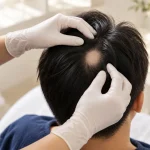
Alopecia Areata Alopecia Areata Alopecia areata is an autoimmune form of hair loss that most commonly causes sudden, smooth, round or oval bald patches on the scalp or beard. It can also affect the eyebrows, eyelashes and other body hair.
-
Fungal Skin Infections Fungal Skin Infections Fungal skin infections are common causes of itchy, scaly, discolored or persistent rashes. They can affect almost any part of the body, including the feet, groin, trunk, scalp and nails.

-
Melasma & Pigmentation Melasma & Pigmentation Melasma and facial pigmentation are among the most common reasons people seek dermatology care for uneven skin tone.