





























XERF (Monopolar RF) for Skin Tightening: Who Is It Best For and How Long Do Results Last?
Facial skin gradually loses firmness as we age. Collagen and elastin undergo structural changes, while facial fat, connective tissues, and bone support also change over time. Together, these processes contribute to sagging cheeks, early jowls, a less defined jawline, and loose skin beneath the chin.

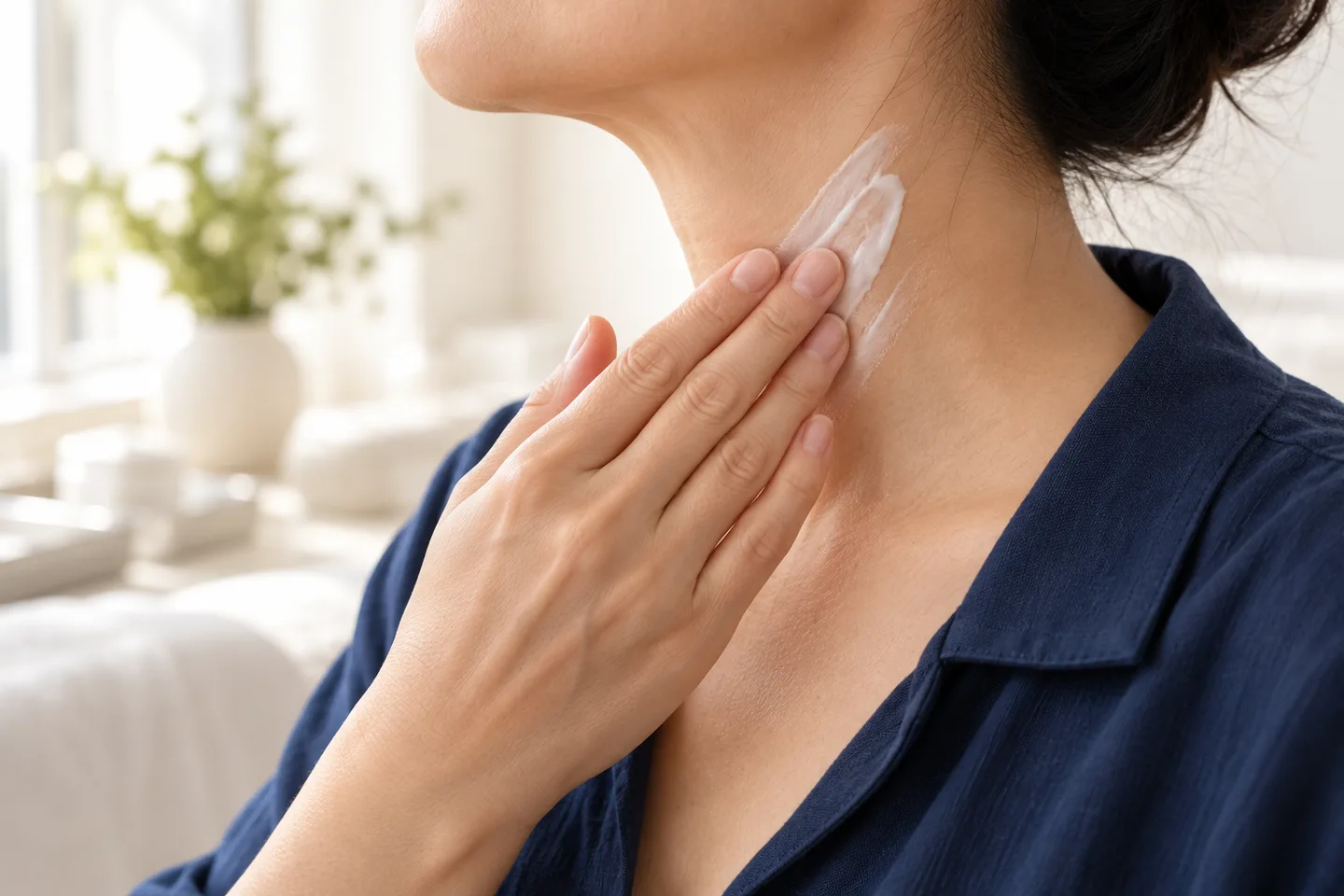
Facial skin gradually loses firmness as we age. Collagen and elastin undergo structural changes, while facial fat, connective tissues, and bone support also change over time. Together, these processes contribute to sagging cheeks, early jowls, a less defined jawline, and loose skin beneath the chin.
For patients who want to improve skin firmness without surgery, monopolar radiofrequency (RF) is one of the established technologies used for nonsurgical skin tightening.
XERF is a newer monopolar RF device that uses two radiofrequency frequencies to deliver controlled thermal energy into tissue.
However, not everyone is an ideal candidate for radiofrequency skin tightening.
Some patients with mild facial laxity may experience noticeable improvement, while others with more advanced sagging may achieve only limited results.
Another common question is how long XERF results last. Does the skin tighten immediately? When does collagen remodeling become noticeable? And how often might treatment need to be repeated?
At Clear Skin Dermatology in Asoke, Bangkok, we emphasize individualized assessment, realistic expectations, and understanding the benefits and limitations of nonsurgical facial rejuvenation.
This article explains who may benefit most from XERF, when improvements may appear, how long results may last, and what patients should consider before treatment.
What Is XERF?
XERF is a medical aesthetic device developed by Cynosure Lutronic that uses dual-frequency monopolar radiofrequency technology.
The device operates using two radiofrequency frequencies:
- 6.78 MHz
- 2 MHz
It also incorporates adjustable treatment settings and surface cooling to help manage heat delivery and patient comfort.
The purpose of treatment is to generate controlled thermal effects within tissue, potentially improving skin firmness through collagen contraction and remodeling.
Is XERF the Same as Monopolar RF?
XERF is a specific device that uses monopolar RF technology.
Monopolar RF describes the broader technology, while XERF is a product name.
Other devices, such as Thermage, also use monopolar radiofrequency, although their technical designs and treatment protocols differ.
Evidence from one monopolar RF device should not automatically be assumed to apply equally to every other device.
How Does XERF Tighten the Skin?
XERF delivers alternating electrical energy into tissue.
As the electrical current passes through tissue, electrical resistance generates heat.
This is known as resistive heating.
The controlled thermal effects may produce several biological responses:
- Heating of collagen-containing tissues
- Partial contraction of existing collagen fibers
- Activation of tissue repair processes
- Collagen remodeling over subsequent weeks and months
- Gradual improvement in skin firmness
Unlike focused ultrasound, which concentrates energy at selected focal depths, monopolar RF produces a distribution of heating influenced by electrode design, tissue conductivity, and treatment settings.
XERF does not mechanically pull facial tissues upward like a surgical facelift. Its skin-tightening effects are related to controlled heating and subsequent tissue remodeling.
Who Is XERF Best For?
XERF may be considered for selected patients with mild to moderate skin laxity who want gradual improvement without surgery.
1. People With Early Facial Skin Laxity
Patients beginning to notice reduced firmness in the cheeks or lower face may benefit from radiofrequency skin tightening.
At this stage, skin tightening may provide a modest visible improvement.
2. People With Mild Jowls
Early jowls can develop from changes in skin elasticity, facial fat, and connective tissue support.
XERF may help improve their appearance when skin laxity contributes to the problem.
However, significant descent of facial fat compartments is unlikely to be fully corrected by radiofrequency treatment alone.
3. People With Reduced Jawline Definition
Some patients notice that the jawline becomes less defined with age.
If this is partly caused by loose skin, monopolar RF may improve the appearance of the jawline.
However, jawline definition also depends on fat distribution, facial bone structure, and tissue position.
4. People With Mild Loose Skin Beneath the Chin
XERF may be considered for selected patients with mild submental skin laxity.
It may not adequately address substantial fat accumulation or significant excess skin.
5. People With Early Neck Skin Laxity
Radiofrequency treatment may help improve mild neck laxity in appropriately selected patients, subject to the device’s indications and treatment guidance.
6. People Who Want Minimal Downtime
Monopolar RF treatment does not require surgical incisions.
Most patients can return to normal daily activities relatively quickly, although temporary redness, swelling, or tenderness may occur.
7. People Who Prefer Gradual, Subtle Improvement
Collagen remodeling takes time.
This means improvements may develop gradually rather than appearing as an immediate, dramatic lift.
Who May Not Be a Good Candidate for XERF?
XERF is not appropriate for every type of facial aging.
Patients With Severe Facial Sagging
People with substantial jowls, pronounced tissue descent, or large amounts of excess skin are unlikely to achieve surgical-level results.
Patients With Significant Facial Volume Loss
XERF does not replace lost facial volume.
If hollow cheeks or reduced facial volume are the main concerns, skin tightening alone may not provide the desired improvement.
Patients With Very Thin Faces
Radiofrequency energy may generate heat in tissues near or within the subcutaneous fat layer.
Unwanted changes in facial fat or contour are possible with thermal energy-based procedures.
Patients with naturally thin faces should discuss this risk carefully before treatment.
Patients With Significant Double-Chin Fat
When the main concern is fat accumulation rather than skin laxity, a different treatment approach may be more appropriate.
Patients Expecting a Surgical Facelift Result
XERF cannot reliably reposition deeper facial tissues or remove substantial excess skin.
Patients seeking dramatic lifting may require other treatments.
Which Facial Concerns May Respond to XERF?
| Facial concern | Potential benefit | Main limitation |
|---|---|---|
| Mild cheek laxity | May improve skin firmness | Does not restore lost volume |
| Early jowls | May improve appearance | Cannot fully correct significant tissue descent |
| Blurred jawline | May improve definition | Depends on facial fat and bone structure |
| Mild loose skin beneath chin | May improve firmness | Not a primary treatment for substantial fat |
| Early neck laxity | May provide modest tightening | Depends on anatomy and device guidance |
| Hollow cheeks | Often not the primary solution | Potential concern about unwanted contour changes |
| Severe facial sagging | Limited improvement | Surgery may provide greater correction |
When Will You See Results After XERF?
One of the most important things to understand is that XERF results are generally expected to develop gradually as tissue remodeling occurs.
However, the precise timeline for XERF specifically is not yet as well established as for some older radiofrequency devices.
Immediately After Treatment
Some patients may notice temporary firmness or a tightening sensation.
Mild swelling can also influence the early appearance.
These changes should not be considered the final result.
During the First 2–4 Weeks
Tissue repair and remodeling processes may begin.
Some patients may notice early improvement, while others may see little visible change.
Around 1–2 Months
Collagen remodeling may become more apparent.
Some patients may notice improved skin firmness or subtle changes in jawline definition.
Around 2–3 Months
This is a reasonable period for reassessing gradual skin-tightening changes after thermal energy-based treatments.
However, it is not a guaranteed peak-response time for XERF.
Beyond 3 Months
Further tissue remodeling may occur in some patients.
The degree and duration of improvement vary.
Expected XERF Results Timeline
| Time after treatment | What patients may notice |
|---|---|
| Immediately | Temporary firmness, possible mild swelling |
| 2–4 weeks | Early changes in some patients |
| 1–2 months | Gradual tightening may become noticeable |
| 2–3 months | Useful period for clinical reassessment |
| Beyond 3 months | Further remodeling may occur |
How Long Do XERF Results Last?
There is currently insufficient high-quality, long-term device-specific evidence to establish one reliable duration of XERF results for every patient.
Monopolar radiofrequency treatments may produce improvements that remain visible for many months in some patients.
However, results vary considerably.
The duration of improvement depends on several factors.
1. Age and Skin Quality
Patients with better baseline skin elasticity may respond differently from those with more advanced age-related changes.
2. Degree of Skin Laxity
Mild laxity may respond more favorably than significant tissue descent.
3. Treatment Settings
Energy delivery, treatment technique, and the areas treated may influence outcomes.
4. Individual Collagen Response
The biological response to controlled heating differs between patients.
5. Weight Changes
Significant weight gain or loss may change facial contours and skin laxity.
6. Continued Aging
Radiofrequency treatment does not stop the natural aging process.
7. Sun Exposure and Lifestyle
Sun exposure, smoking, and other factors that affect skin health may influence long-term appearance.
Does XERF Last 6 Months or 12 Months?
Some radiofrequency treatments have demonstrated improvements lasting several months or longer.
However, it would be misleading to guarantee that every XERF treatment lasts six months, one year, or any other fixed period.
A more accurate approach is to evaluate the patient’s response and determine whether additional treatment is appropriate.
How Many XERF Sessions Are Needed?
The number of sessions depends on the treatment protocol, device guidance, and individual patient needs.
Some monopolar RF protocols involve one treatment followed by reassessment.
Others may use multiple sessions.
For XERF specifically, the appropriate number and interval should be based on the manufacturer’s instructions and the treating clinician’s assessment.
More frequent treatments or higher energy settings do not necessarily produce better results.
Excessive heating may increase the risk of unwanted tissue effects.
How Much Skin Tightening Can XERF Actually Achieve?
The degree of improvement depends on:
- Baseline skin laxity
- Skin thickness and elasticity
- Facial fat distribution
- Degree of tissue descent
- Treatment settings
- Technique
- Individual tissue response
For patients with mild laxity, modest improvement may be noticeable.
For patients with significant sagging, results may be insufficient to meet their expectations.
XERF should therefore be considered a nonsurgical skin-tightening treatment, not an equivalent replacement for a surgical facelift.
Is XERF Better Than Ultraformer for Sagging Skin?
XERF and Ultraformer use different technologies.
XERF uses monopolar radiofrequency to generate distributed tissue heating.
Ultraformer uses focused ultrasound to create thermal effects at selected focal depths.
Both aim to stimulate collagen remodeling and improve skin firmness.
| Feature | XERF | Ultraformer |
|---|---|---|
| Technology | Monopolar radiofrequency | Focused ultrasound |
| Heating pattern | Distributed tissue heating | Focused thermal zones |
| Mild facial laxity | May improve | May improve |
| Early jowls | May improve | May improve |
| Results | Gradual | Gradual |
| Downtime | Usually minimal | Usually minimal |
| Surgical facelift replacement | No | No |
There is insufficient high-quality direct comparative evidence to conclude that XERF consistently produces better results or longer-lasting tightening than Ultraformer.
The appropriate choice depends on anatomy, treatment goals, and device-specific considerations.
Is XERF Painful?
Patients commonly experience warmth or heat during treatment.
Some may feel significant discomfort depending on energy settings and individual sensitivity.
XERF incorporates surface cooling to help improve comfort.
However, cooling does not eliminate the possibility of thermal injury.
What Is Recovery Like After XERF?
Most patients can resume routine activities relatively quickly.
Possible temporary effects include:
- Redness
- Mild swelling
- Tenderness
- Warmth
- Temporary skin sensitivity
Recovery varies between individuals.
Can XERF Cause Facial Fat Loss?
Radiofrequency energy can produce heat within tissues near or within the subcutaneous fat layer.
Depending on the treatment settings, technique, and facial anatomy, unwanted changes in facial fat or contour may occur.
The precise incidence of this complication with XERF is not well established.
Patients with thin faces or hollow cheeks should discuss this concern before treatment.
Aggressive heating does not necessarily produce better skin tightening.
What Are the Risks and Side Effects of XERF?
Potential adverse effects include:
- Temporary redness
- Swelling
- Tenderness
- Burns
- Blistering
- Pigmentation changes
- Altered sensation
- Unwanted facial contour changes
Risk depends on the device, treatment settings, technique, and patient characteristics.
Treatment should follow the manufacturer’s contraindications and safety guidance.
Who Should Avoid or Delay XERF Treatment?
Patients should inform their dermatologist about:
- Pregnancy or breastfeeding
- Active skin infection or open wounds
- Implanted electronic medical devices
- Metal implants near the treatment area
- Previous facial surgery
- Recent dermal fillers or other aesthetic procedures
- Significant facial volume loss
- Neurological conditions
- Medical conditions affecting wound healing
These factors require individualized assessment. Contraindications may differ between devices.
What Does Scientific Research Say About Monopolar RF Results?
Clinical studies involving selected monopolar radiofrequency devices have reported improvements in mild to moderate skin laxity, wrinkles, and facial firmness.
Some studies have also demonstrated patient satisfaction and measurable changes in skin appearance.
However, the strength of evidence varies according to device, study design, treatment protocol, and follow-up duration.
Importantly, research on established monopolar RF systems does not automatically prove identical results for XERF.
Longer-term, device-specific clinical studies are needed to clarify the durability of XERF outcomes.
XERF Skin Tightening Consultation at Clear Skin Dermatology Bangkok
Clear Skin Dermatology is a medical dermatology clinic located in Asoke, Bangkok, Thailand.
Patients concerned about facial sagging or reduced skin firmness can consult a dermatologist for an individualized assessment.
Common concerns include:
- Early facial skin laxity
- Mild jowls
- Reduced jawline definition
- Loose skin beneath the chin
- Mild neck laxity
- Age-related loss of skin firmness
During consultation, the dermatologist can evaluate:
- Skin thickness and elasticity
- Degree of facial laxity
- Facial fat distribution
- Tissue descent
- Previous aesthetic procedures
- Individual treatment goals
The dermatologist can then explain whether monopolar RF is appropriate, what improvements are realistic, and whether alternative treatments may be more suitable.
Patients specifically interested in XERF should confirm device availability and treatment indications with the clinic before booking.
Clear Skin Dermatology
Medical Dermatology & Skin Cancer Clinic
Asoke, Bangkok, Thailand
Frequently Asked Questions
1. Who is XERF best for?
XERF may be suitable for selected patients with mild to moderate facial skin laxity who want gradual improvement without surgery.
2. At what age should you start XERF?
There is no fixed ideal age. Treatment should be based on skin laxity, facial anatomy, and individual needs rather than age alone.
3. How soon can you see XERF results?
Some patients may notice early changes within several weeks, while improvements may become more apparent over two to three months.
4. How long do XERF results last?
Results vary. Some monopolar RF treatments produce improvements lasting many months, but a specific duration cannot be guaranteed for XERF.
5. Can XERF improve jowls?
It may provide modest improvement in early jowls when skin laxity contributes to the problem.
6. Can XERF tighten the jawline?
It may improve jawline definition in selected patients with mild skin laxity.
7. Can XERF treat loose skin beneath the chin?
It may help selected patients with mild submental skin laxity but is not a substitute for treating substantial fat accumulation.
8. How many XERF sessions do you need?
The appropriate number depends on the device protocol and individual response. A clinician should determine the treatment plan.
9. Is XERF painful?
Patients usually feel warmth or heat. Discomfort varies depending on energy settings and individual sensitivity.
10. Can XERF cause facial fat loss?
Unwanted contour changes are possible with thermal energy-based procedures. The risk depends on anatomy, settings, and technique.
11. Is XERF better than Ultraformer?
There is insufficient direct evidence to establish that XERF consistently produces better or longer-lasting results than Ultraformer.
12. Is XERF better than a surgical facelift?
XERF is less invasive but provides more limited tightening. Surgery may be more appropriate for significant facial sagging.
Final Thoughts: Is XERF Right for You?
XERF is a dual-frequency monopolar radiofrequency device designed to improve skin firmness through controlled tissue heating and collagen remodeling.
It may be most suitable for patients with mild to moderate facial skin laxity who prefer gradual improvement without surgery.
Some patients may notice changes within several weeks, with further improvement over the following months.
However, the duration of XERF results varies, and long-term device-specific evidence remains limited.
Patients with severe sagging, substantial jowls, or significant facial volume loss may require other treatment approaches.
The best candidate for XERF is determined by facial anatomy, degree of skin laxity, and realistic treatment goals—not age alone.
For patients considering nonsurgical skin tightening in Bangkok, a consultation at Clear Skin Dermatology in Asoke can help determine whether monopolar radiofrequency or another treatment approach is appropriate.
Medical disclaimer: This article is intended for general educational purposes and does not replace individualized medical advice. Results and risks vary between patients.
Medical References
Medically reviewed by
Reviewed on
Related articles
-
Aesthetic & Skin Rejuvenation Rejuran vs Plinest vs Vitaran for Acne Scars, Enlarged Pores, and Skin Texture Which is better for acne scars and enlarged pores: Rejuran, Plinest, or Vitaran?

-
Aesthetic & Skin Rejuvenation Rejuran vs Plinest vs Vitaran for Anti-Aging and Skin Rejuvenation: Which Is Better? Rejuran, Plinest, and Vitaran are polynucleotide-based injectable product families increasingly discussed for skin rejuvenation. They are often promoted for improving fine lines, skin texture, and elasticity.

-
Aesthetic & Skin Rejuvenation Rejuran vs Plinest vs Vitaran: Which PN Skin Booster Is Best in Bangkok? Rejuran, Plinest, and Vitaran are injectable skin rejuvenation products associated with polynucleotides (PN), a group of DNA-derived molecules being studied for their potential to improve skin quality.