





















Biologic Treatment for Psoriasis in Bangkok, Thailand: A Complete Patient Guide
Psoriasis is a chronic inflammatory skin disease that can cause persistent red, scaly patches, itching, discomfort, and significant effects on daily life. Although mild psoriasis can often be managed with topical medications, patients with more extensive or difficult-to-control disease may benefit from systemic treatment, including biologic injections.

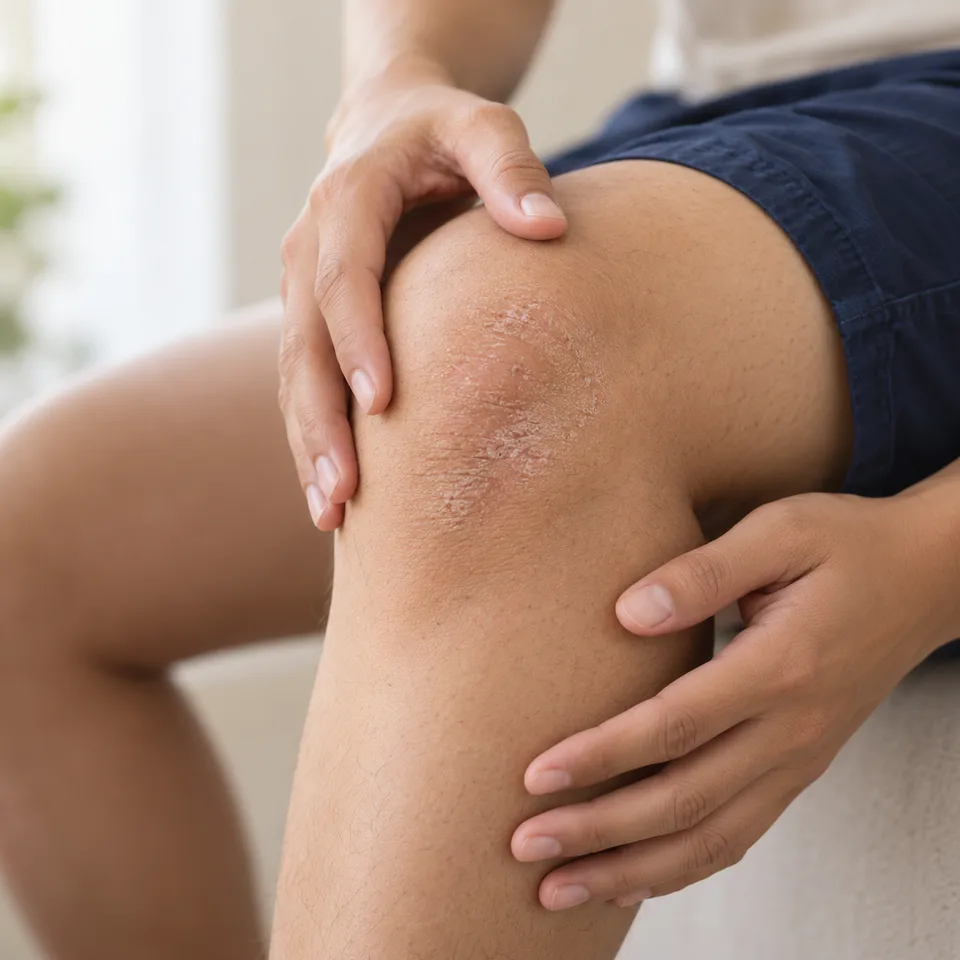
Psoriasis is a chronic inflammatory skin disease that can cause persistent red, scaly patches, itching, discomfort, and significant effects on daily life. Although mild psoriasis can often be managed with topical medications, patients with more extensive or difficult-to-control disease may benefit from systemic treatment, including biologic injections.
Biologic treatment for psoriasis targets specific immune pathways responsible for inflammation. Modern biologic medicines, including Taltz (ixekizumab), Scapho (secukinumab), and Tremfya (guselkumab), can achieve substantial skin improvement in appropriately selected patients.
However, biologics are not suitable for everyone. Treatment requires medical assessment, infection screening, consideration of other health conditions, and long-term monitoring.
For patients seeking psoriasis treatment in Bangkok, Thailand, understanding when biologic therapy is appropriate is the first step toward choosing an effective and sustainable treatment plan.
What Is Psoriasis?
Psoriasis is a chronic, immune-mediated inflammatory disease in which immune activity accelerates the production of skin cells.
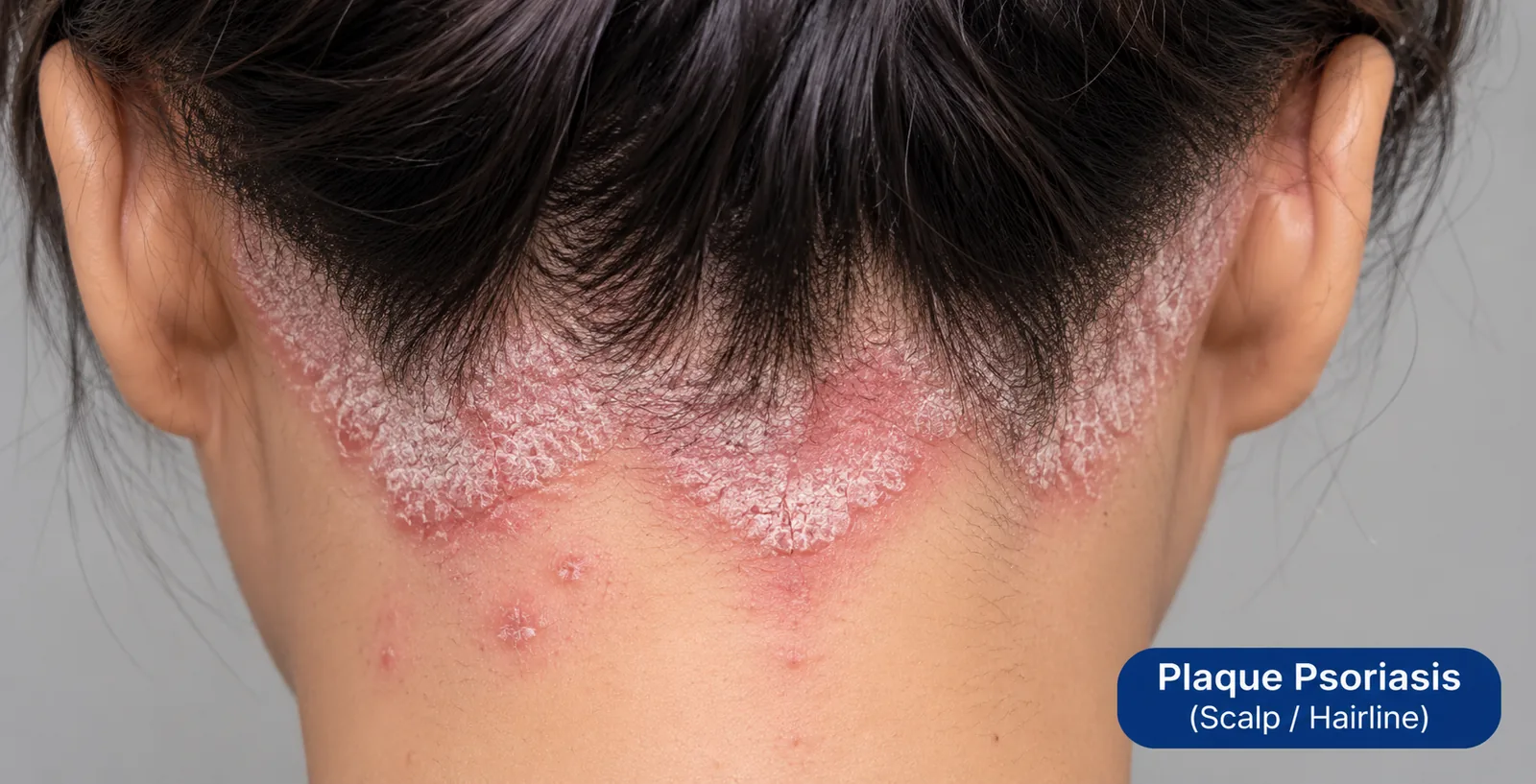
This leads to the accumulation of thickened, inflamed, scaly skin.
Psoriasis is not contagious. It cannot be transmitted through touching, sharing towels, swimming, or ordinary social contact.
The most common form is plaque psoriasis, which typically causes well-defined patches of thickened skin covered by white or silvery scales.
Common Symptoms of Psoriasis
Patients may experience:
- Red or darker inflamed patches with visible scaling
- Thickened skin on the elbows, knees, trunk, or scalp
- Itching, burning, or soreness
- Cracking or bleeding of affected skin
- Nail pitting, thickening, or separation from the nail bed
- Recurrent flares followed by periods of improvement
Psoriasis can also affect the palms, soles, genital area, and skin folds.
In darker skin tones, affected areas may appear violet, brown, or gray rather than bright red.
What Causes Psoriasis?
Psoriasis develops through a combination of genetic susceptibility and abnormal immune activity.
Inflammatory signaling pathways involving interleukin-17 (IL-17), interleukin-23 (IL-23), and tumor necrosis factor (TNF) contribute to the disease.
Common factors that can trigger or worsen psoriasis include infections, psychological stress, skin injury, smoking, heavy alcohol consumption, and certain medications.
Not every patient has an identifiable trigger.
Psoriasis is also associated with conditions such as psoriatic arthritis, obesity, metabolic syndrome, cardiovascular risk factors, and depression.
These associations make a broader health assessment important, especially in patients with persistent or severe disease.
How Is Psoriasis Diagnosed?
Dermatologists usually diagnose psoriasis by examining the appearance and distribution of skin lesions, together with the patient’s medical history.
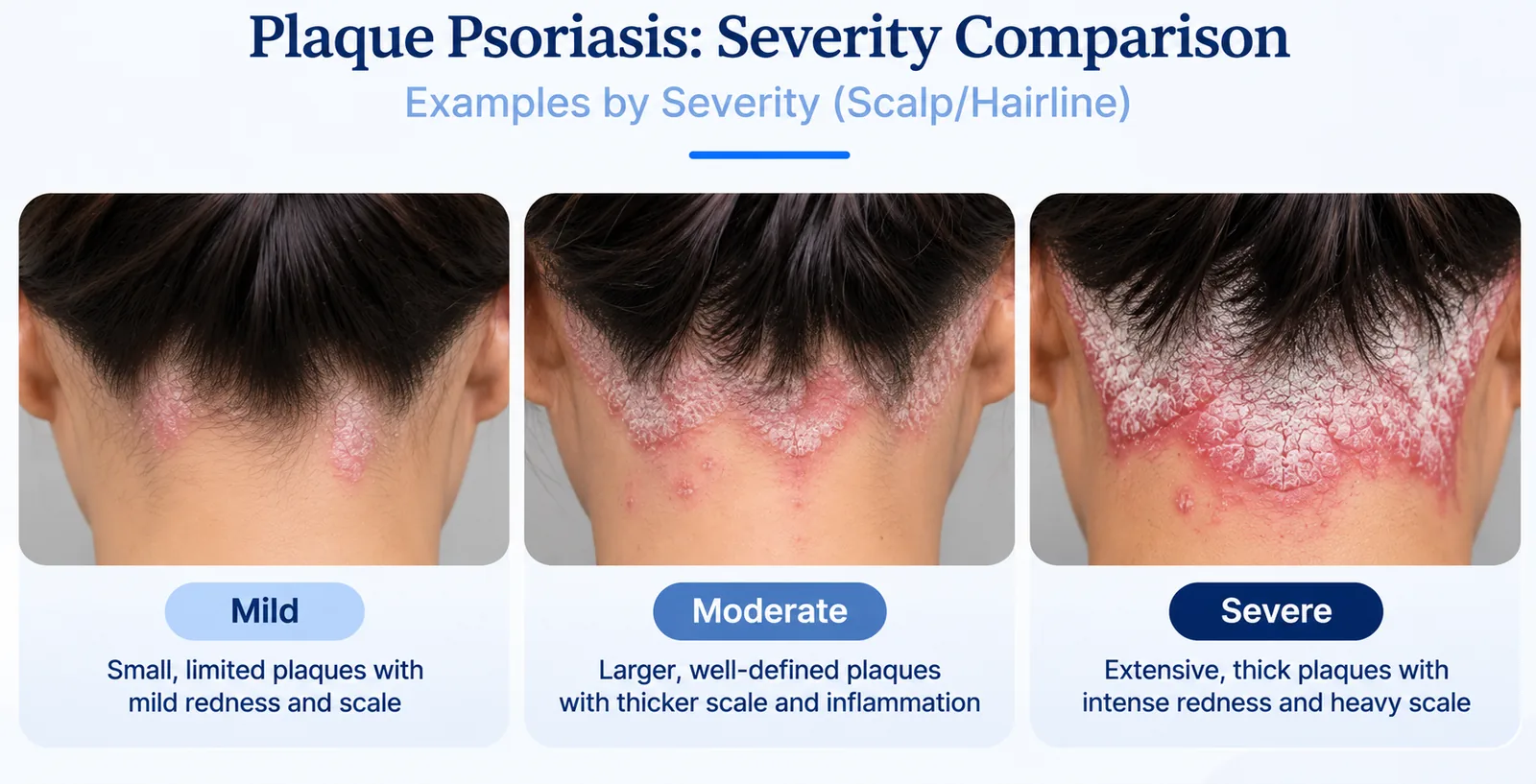
A skin biopsy is not routinely necessary but may be recommended when the diagnosis is uncertain.
Other conditions can resemble psoriasis, including eczema, fungal infections, seborrheic dermatitis, and certain inflammatory skin diseases.
Before starting systemic or biologic therapy, confirming the diagnosis is particularly important.
How Do Dermatologists Measure Psoriasis Severity?
Several tools may be used.
Body Surface Area (BSA) estimates how much of the body is affected.
Psoriasis Area and Severity Index (PASI) assesses the extent and severity of plaques, including redness, thickness, and scaling.
Dermatology Life Quality Index (DLQI) evaluates the impact on daily activities, work, relationships, and emotional well-being.
A patient may qualify for systemic treatment even when the affected area is relatively small if psoriasis involves difficult locations such as the face, scalp, hands, feet, genitals, or nails, or significantly affects quality of life.
Psoriasis Treatment Options in Bangkok
Psoriasis treatment depends on disease severity, affected areas, previous treatment response, associated medical conditions, and patient preferences.
Not everyone needs biologic injections.
1. Topical Treatments
For mild or localized psoriasis, treatment may include:
- Topical corticosteroids
- Vitamin D analogues such as calcipotriol
- Combination corticosteroid and vitamin D preparations
- Appropriate moisturizers
- Other prescription topical anti-inflammatory treatments
The choice of medication depends on the location and thickness of the plaques.
Strong topical corticosteroids require particular caution on the face, genitals, and skin folds.
2. Phototherapy
Narrowband ultraviolet B (NB-UVB) phototherapy can be effective for selected patients with more widespread psoriasis.
It typically requires repeated treatment sessions over several weeks.
Phototherapy may be less convenient for patients who travel frequently or cannot attend regular appointments.
3. Conventional Systemic Medicines
Oral or systemic treatments include:
Methotrexate: An established treatment for moderate-to-severe psoriasis that requires appropriate laboratory monitoring and careful assessment of liver, blood, and reproductive risks.
Cyclosporine: Can provide relatively rapid disease control but is generally limited by potential kidney toxicity, high blood pressure, and other risks.
Acitretin: May be useful in selected forms of psoriasis but has important pregnancy-prevention requirements and other adverse effects.
Other oral treatments may be available depending on local regulatory approval and patient suitability.
4. Biologic Medicines
Biologics are targeted treatments that interfere with specific immune pathways involved in psoriasis.
They are generally considered for patients with moderate-to-severe disease or psoriasis that causes substantial functional or quality-of-life impairment.
Depending on the medicine, treatment may be administered by injection at intervals ranging from several weeks to several months during maintenance therapy.
Biologics are not simply stronger versions of topical steroids. They work through different, targeted mechanisms.
What Is Biologic Treatment for Psoriasis?
Biologic medicines are proteins, usually monoclonal antibodies, designed to block selected immune signals involved in psoriasis inflammation.
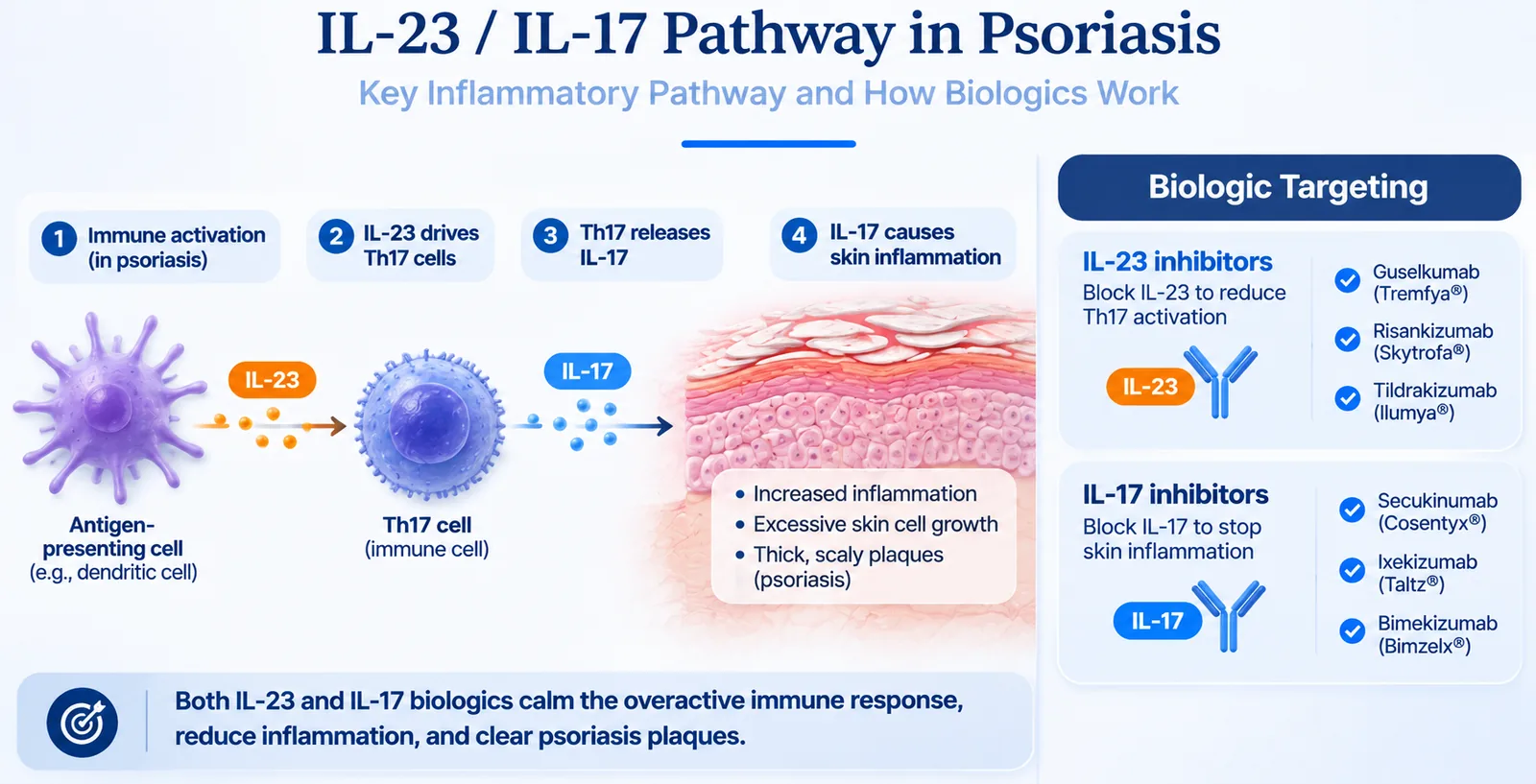
By targeting these pathways, biologics can reduce inflammatory activity and allow affected skin to improve.
Modern psoriasis biologics include medicines targeting:
- Interleukin-17 (IL-17)
- Interleukin-23 (IL-23)
- Tumor necrosis factor (TNF)
- Interleukin-12/23
These medicines differ in efficacy, treatment schedule, safety considerations, and suitability for associated conditions.
Biologic treatment is intended to control psoriasis rather than permanently cure it.
Taltz, Scapho, and Tremfya: Comparing Biologic Injections
Three biologic medicines that patients may encounter when researching psoriasis treatment in Thailand are Taltz, Scapho, and Tremfya.
| Feature | Taltz | Scapho | Tremfya |
|---|---|---|---|
| Generic name | Ixekizumab | Secukinumab | Guselkumab |
| Main target | IL-17A | IL-17A | IL-23 p19 |
| Drug class | IL-17 inhibitor | IL-17 inhibitor | IL-23 inhibitor |
| Administration | Subcutaneous injection | Subcutaneous injection | Subcutaneous injection |
| Maintenance schedule for adult plaque psoriasis | Typically every 4 weeks | Typically every 4 weeks | Typically every 8 weeks |
| Main consideration | Strong skin efficacy; assess inflammatory bowel disease and Candida risk | Strong skin efficacy; assess inflammatory bowel disease and Candida risk | Strong skin efficacy with less frequent maintenance injections |
| Permanent cure? | No | No | No |
These schedules summarize commonly used adult plaque psoriasis regimens after initial loading doses. Exact doses, approved indications, and schedules must follow the current product information applicable in Thailand.
Scapho is a brand name used for secukinumab in Thailand; the same active substance is also known internationally under the brand name Cosentyx.
Taltz (Ixekizumab)
Taltz is a monoclonal antibody that targets IL-17A, an inflammatory protein involved in psoriasis.
It is used for moderate-to-severe plaque psoriasis in appropriately selected patients.
In the standard adult plaque psoriasis regimen described in U.S. prescribing information, treatment begins with a loading dose, followed by injections every two weeks during the initial treatment period, then every four weeks for maintenance.
Taltz may provide substantial improvement in psoriasis plaques.
Important considerations include infections, Candida infections, hypersensitivity reactions, and inflammatory bowel disease.
Patients with Crohn’s disease or ulcerative colitis should inform their dermatologist before considering IL-17 inhibitors.
Scapho (Secukinumab)
Scapho contains secukinumab, another medicine targeting IL-17A.
It is used in the management of moderate-to-severe plaque psoriasis and certain other inflammatory conditions, depending on local approval.
The usual adult plaque psoriasis schedule includes weekly loading injections during the initial treatment phase, followed by maintenance treatment approximately every four weeks.
As with other IL-17 inhibitors, clinicians should assess infection risks, Candida infections, and any history of inflammatory bowel disease.
Tremfya (Guselkumab)
Tremfya targets IL-23 p19, a different inflammatory pathway involved in psoriasis.
For adult plaque psoriasis, the commonly used regimen includes injections at weeks 0 and 4, followed by maintenance injections every eight weeks.
The less frequent maintenance schedule may be convenient for some patients.
However, injection frequency alone should not determine the treatment choice.
Medical history, associated conditions, expected response, and safety remain important.
Which Biologic Is Best for Psoriasis?
There is no single biologic that is best for every patient.
Factors influencing treatment selection include:
- Severity and distribution of psoriasis
- Presence of psoriatic arthritis
- History of inflammatory bowel disease
- Previous biologic treatment and response
- Infection and tuberculosis history
- Other medical conditions
- Pregnancy plans
- Injection schedule and patient preferences
- Local availability and treatment cost
Clinical trials and comparative evidence show that several modern IL-17 and IL-23 inhibitors can achieve high levels of skin clearance in many patients.
However, individual response varies, and treatment choice should not be based on promotional comparisons alone.
Who Is a Candidate for Biologic Psoriasis Treatment?
Biologic therapy may be appropriate for patients with moderate-to-severe plaque psoriasis, particularly when the disease:
- Affects extensive areas of skin
- Does not respond adequately to appropriate topical treatment
- Is difficult to control with phototherapy or conventional systemic treatment
- Causes significant itching, discomfort, or sleep disturbance
- Affects the hands, feet, scalp, genitals, or other high-impact areas
- Interferes substantially with work, relationships, or daily activities
Some patients may be eligible for biologics without first trying every conventional systemic medicine, depending on the applicable guideline, product approval, disease severity, and individual circumstances.
A dermatologist should discuss the advantages and disadvantages of each option rather than assuming that all patients must follow the same treatment sequence.
Blood Tests and Screening Before Biologic Treatment
Safety screening is an important part of starting biologic treatment.
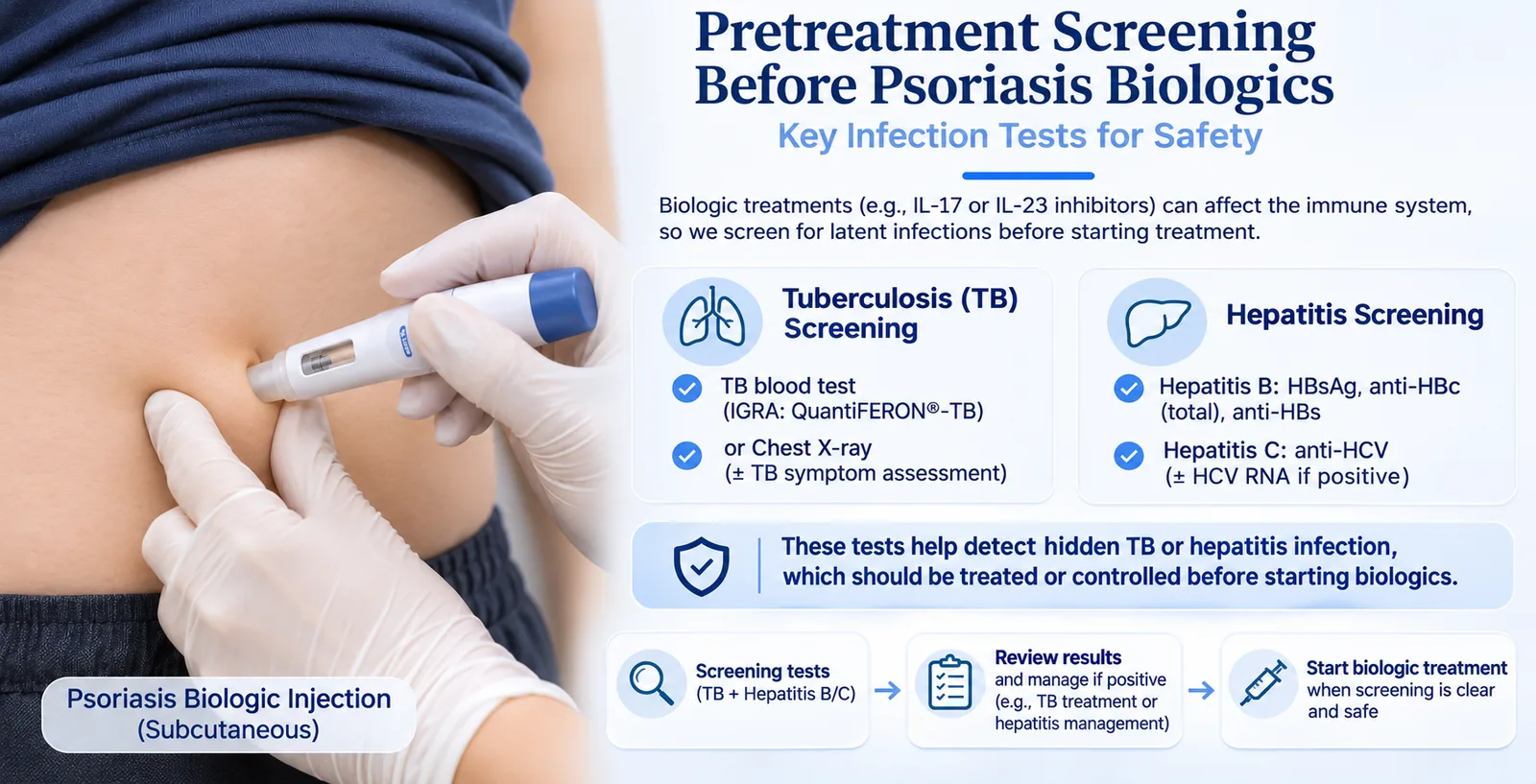
The exact tests depend on the chosen medicine, clinical history, risk factors, and applicable guidelines.
1. Tuberculosis Screening
Tuberculosis screening is particularly important in Thailand because tuberculosis remains a relevant public health concern.
A blood test such as an interferon-gamma release assay (IGRA), commonly known as QuantiFERON-TB, may be used to identify tuberculosis infection.
A chest X-ray may also be appropriate based on symptoms, exposure history, risk factors, or clinical findings.
A positive tuberculosis screening result does not necessarily mean the patient has active tuberculosis.
Further assessment is needed to distinguish latent infection from active disease.
If latent tuberculosis is identified, the dermatologist should coordinate an appropriate management plan before initiating biologic treatment.
2. Hepatitis B Screening
Hepatitis B screening is particularly relevant in Thailand and other regions where hepatitis B infection is prevalent.
Tests may include:
- Hepatitis B surface antigen (HBsAg)
- Hepatitis B surface antibody (anti-HBs)
- Hepatitis B core antibody (anti-HBc)
Additional testing, such as HBV DNA, may be needed depending on the results.
Patients with current or previous hepatitis B infection may require specialist assessment and monitoring because immunomodulating treatment can affect the risk of viral reactivation.
3. Hepatitis C and Other Infection Screening
Hepatitis C screening is commonly considered before systemic biologic treatment.
HIV testing may be appropriate depending on the guideline, medical history, and individual risk assessment.
4. Other Baseline Tests
A dermatologist may request:
- Complete blood count
- Liver function tests
- Kidney function tests when indicated
- Pregnancy testing when relevant
- Other investigations based on medical history
Not every test is required for every biologic or patient.
5. Vaccination Review
Vaccination history should be reviewed before starting treatment.
Patients may need to update recommended vaccines before beginning biologic therapy.
Live vaccines are generally avoided during treatment with many biologic medicines, and timing should be discussed with the treating physician.
What Happens During Biologic Treatment?
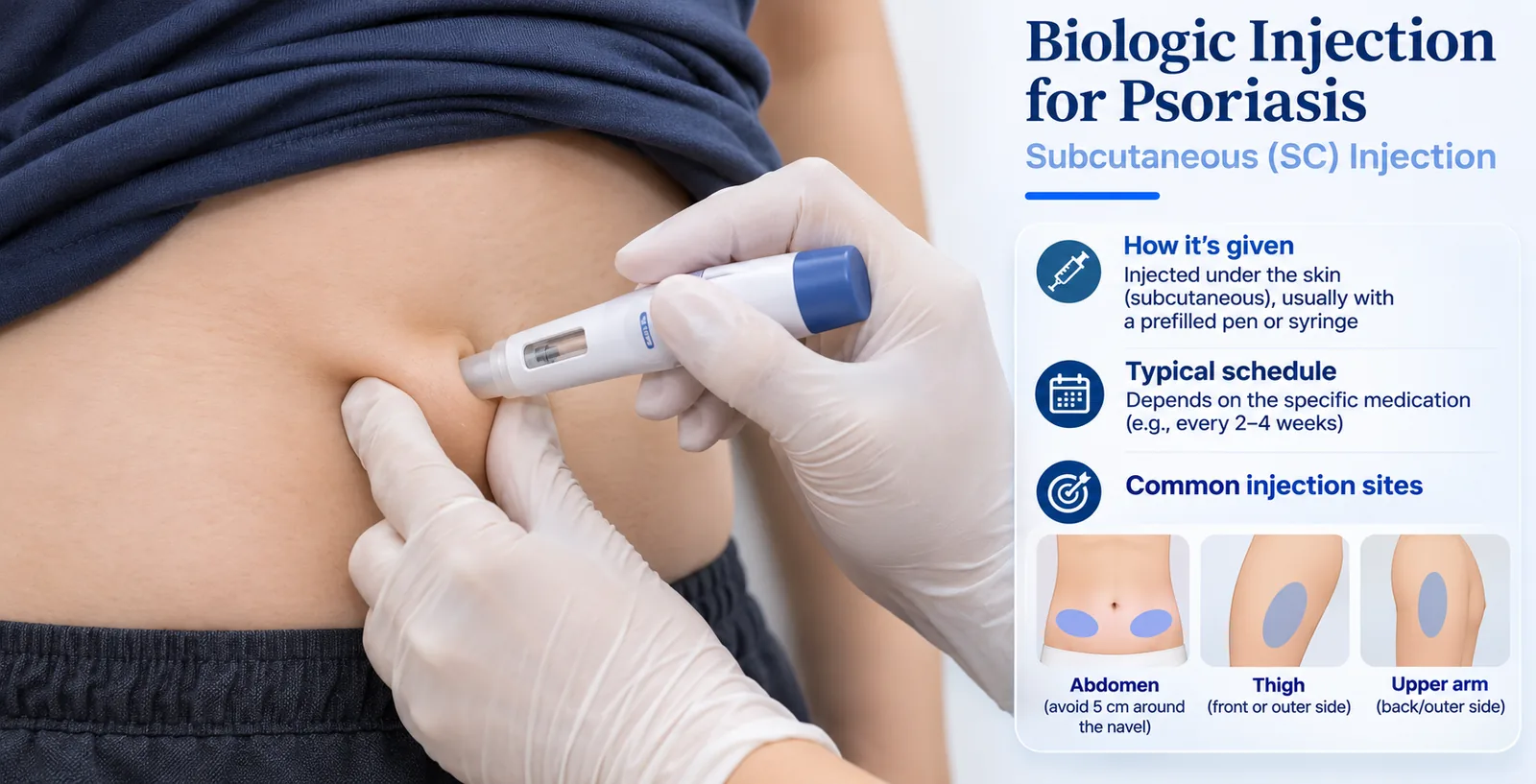
Initial Consultation
The dermatologist confirms the diagnosis, assesses severity, reviews previous treatment, and checks for associated conditions.
Screening and Treatment Selection
Appropriate infection screening and laboratory investigations are arranged.
The dermatologist explains the treatment options, expected benefits, possible adverse effects, and practical requirements.
Starting Treatment
The selected biologic is administered according to its approved dosing schedule.
Some medicines can be self-injected after appropriate training, while others may be administered by a healthcare professional.
Follow-Up
Follow-up visits assess skin improvement, adverse effects, adherence, and whether the treatment remains appropriate.
Photographs, PASI, BSA, and quality-of-life assessments may help document progress.
How Quickly Do Biologics Work for Psoriasis?
Some patients notice reduced redness, scaling, and itching within the first few weeks.
However, the timing and degree of improvement differ between medicines and individuals.
For many modern biologics, response is formally assessed after approximately 12–16 weeks, although some medicines require a longer assessment period.
Early improvement does not guarantee complete skin clearance.
Patients should follow the prescribed schedule and avoid changing doses without medical advice.
How Effective Are Biologic Injections?
Clinical trials have demonstrated substantial improvements in moderate-to-severe plaque psoriasis with modern biologic medicines.
Researchers commonly report outcomes using PASI response measures.
For example:
PASI 75 means at least a 75% improvement from the patient’s baseline psoriasis severity score.
PASI 90 means at least a 90% improvement.
PASI 100 means complete clearance according to the PASI scoring system at the assessment time.
Many modern treatment guidelines aim for high levels of disease control, including PASI 90 or similarly low residual disease activity when achievable.
However, not every patient reaches these targets.
Responses can vary with the medicine, previous treatments, associated conditions, and individual characteristics.
Side Effects and Risks of Biologic Psoriasis Treatment
Biologics are generally well tolerated by many appropriately selected patients, but they can cause adverse effects.
Common or Recognized Adverse Effects
Depending on the medicine, these may include:
- Injection-site reactions
- Upper respiratory tract infections
- Headache or other mild symptoms
- Fungal infections, particularly Candida with IL-17 inhibitors
Important Safety Considerations
Serious infections: Biologic medicines can increase susceptibility to certain infections. Active serious infections generally require treatment assessment and may require postponing biologic doses.
Tuberculosis: Screening and appropriate management are important before starting treatment.
Hepatitis B: Patients with current or previous infection may require additional monitoring or antiviral management.
Inflammatory bowel disease: IL-17 inhibitors require particular caution in patients with Crohn’s disease or ulcerative colitis because new or worsening disease has been reported.
Allergic reactions: Severe hypersensitivity reactions are uncommon but require urgent assessment.
The risks differ between biologic classes. A patient should not assume that all biologics have identical safety profiles.
When Should You Contact Your Doctor?
Seek medical advice if you develop persistent fever, worsening cough, unexplained weight loss, night sweats, unusual infections, severe diarrhea, or other concerning symptoms during treatment.
Seek emergency care for difficulty breathing, facial or throat swelling, or other signs of a severe allergic reaction.
Can Biologics Be Used Long-Term?
Psoriasis is usually a lifelong condition, and many patients require long-term disease control.
Biologics may be continued for years when they remain effective, appropriate, and well tolerated.
The dermatologist should periodically reassess:
- Treatment response
- Adverse effects
- New medical conditions
- Infection risks
- Changes in pregnancy plans
- Treatment convenience and cost
Regular monitoring is important even when the skin is clear.
Can You Stop Biologic Treatment Once Psoriasis Clears?
Stopping biologic treatment can lead to psoriasis returning.
The timing of recurrence varies, and some patients maintain improvement longer than others.
A clear skin examination does not necessarily mean that the underlying inflammatory disease has disappeared.
Patients should not stop or extend their injection intervals without discussing the risks and alternatives with their dermatologist.
What If a Biologic Stops Working?
Some patients experience an inadequate initial response, while others lose response after a period of successful treatment.
Possible reasons include differences in disease biology, changes in health or body weight, missed doses, or development of antibodies against the medicine.
The dermatologist may consider:
- Confirming adherence and injection technique
- Reassessing the diagnosis and disease severity
- Reviewing other medical conditions
- Adding appropriate topical treatment
- Switching to another biologic or a different treatment class
Lack of response to one biologic does not necessarily mean that all biologic treatments will fail.
Psoriasis and Joint Pain: Could It Be Psoriatic Arthritis?
Some patients with psoriasis develop psoriatic arthritis, an inflammatory condition affecting joints, tendons, and sometimes the spine.
Warning signs include:
- Persistent joint pain or swelling
- Morning stiffness
- Swollen fingers or toes
- Heel pain
- Back pain associated with prolonged stiffness
Early assessment is important because untreated inflammatory arthritis can lead to permanent joint damage.
The presence of psoriatic arthritis may influence which biologic is selected.
How Much Does Biologic Treatment for Psoriasis Cost in Thailand?
Biologic treatment costs depend on several factors:
- The medicine and dose
- Loading versus maintenance treatment
- Patient body weight when relevant
- Frequency of injections
- Screening and laboratory investigations
- Follow-up appointments
- Insurance or reimbursement arrangements
Biologics are generally more expensive than topical medications and many conventional systemic treatments.
Patients should ask for an individualized estimate covering the full treatment plan rather than only the price of a single injection.
Medication prices and insurance coverage should be confirmed directly with the treatment provider.
Psoriasis Treatment for Expats and International Patients in Bangkok
Patients living in or visiting Bangkok may have additional considerations.
Continuing Treatment Started Overseas
Patients already receiving Taltz, secukinumab, Tremfya, or another biologic should bring their prescription, treatment history, last injection date, previous laboratory results, and relevant medical records.
The treating physician will need to verify the medication, dosing schedule, and clinical suitability before continuing treatment.
Medication Availability
Brand names and approved indications can vary between countries.
A medicine prescribed overseas may not be immediately available through every clinic or pharmacy in Thailand.
Patients should confirm local availability before travel or before their next scheduled dose.
Medication Storage
Many biologic injections require refrigerated storage according to the product instructions.
Patients traveling internationally should follow the manufacturer’s temperature and transport requirements.
Do not freeze biologic medicines or use medication that has been stored outside its permitted conditions without appropriate advice.
Long-Term Follow-Up
Patients planning to stay in Thailand for several months should establish a follow-up schedule and arrange access to appropriate monitoring.
Biologic treatment works best when care is coordinated rather than interrupted unexpectedly.
When Should You See a Dermatologist for Psoriasis?
Consider dermatology assessment when:
- Psoriasis covers extensive areas
- Topical treatment is not providing adequate control
- Scalp, palm, sole, genital, or nail psoriasis causes significant problems
- Itching or discomfort interferes with sleep
- You develop persistent joint pain or stiffness
- You are considering systemic or biologic treatment
- You experience repeated flares despite treatment
Seek urgent medical assessment if psoriasis is associated with widespread intense redness, extensive pustules, fever, severe pain, dehydration, or feeling systemically unwell.
These symptoms can occur in serious forms of psoriasis or other medical conditions requiring prompt treatment.
Psoriasis Consultation at Clear Skin Dermatology, Asoke, Bangkok
Clear Skin Dermatology is a medical dermatology and skin cancer clinic in the Asoke area of Bangkok, Thailand.
Patients seeking psoriasis treatment can discuss their symptoms, previous medications, disease severity, and whether systemic or biologic therapy may be appropriate.
A dermatology consultation may include:
- Confirming the diagnosis
- Assessing the extent and severity of psoriasis
- Reviewing previous treatments and treatment response
- Screening for possible psoriatic arthritis
- Discussing topical, phototherapy, oral, and biologic options
- Planning appropriate blood tests and infection screening
- Arranging follow-up or referral when required
For patients interested specifically in Taltz, Scapho, Tremfya, or another biologic, please contact the clinic to confirm consultation arrangements, prescribing services, and medication availability.
Clear Skin Dermatology
Medical Dermatology & Skin Cancer Clinic
Asoke, Bangkok, Thailand
Frequently Asked Questions About Psoriasis Treatment
1. What is the most effective treatment for psoriasis?
The best treatment depends on severity and individual circumstances. Mild disease may respond to topical medication, while moderate-to-severe psoriasis may require phototherapy, oral medicines, or biologics. Several modern biologics can achieve high levels of skin clearance.
2. Can psoriasis be cured permanently?
There is currently no established permanent cure. However, many treatments can control inflammation and produce prolonged periods of clear or nearly clear skin.
3. What are biologic injections for psoriasis?
Biologics are targeted medicines that block selected immune signals involved in psoriasis, such as IL-17 or IL-23.
4. Who needs biologic treatment?
Biologics may be considered for moderate-to-severe psoriasis or disease that substantially affects quality of life, particularly when other treatments are unsuitable or inadequate.
5. Which is better: Taltz, Scapho, or Tremfya?
All three can be effective for plaque psoriasis. The best choice depends on associated conditions, previous treatment, safety considerations, and patient preferences.
6. How long does it take for biologics to work?
Some improvement may occur within weeks. Treatment response is commonly assessed around 12–16 weeks or later, depending on the medicine.
7. How often are biologic injections given?
Schedules vary. After initial loading doses, Taltz and secukinumab are commonly given every four weeks, while Tremfya is commonly given every eight weeks for adult plaque psoriasis.
8. Do I need blood tests before starting biologics?
Yes, appropriate pretreatment assessment is important. Tuberculosis and hepatitis B screening are particularly relevant, with other tests selected according to the medicine and medical history.
9. Are biologics safe for long-term use?
Many patients use biologics long-term with good disease control. Safety depends on the medicine, medical history, infection risk, and appropriate follow-up.
10. Can I take biologics if I have hepatitis B?
Some patients may still be treated, but hepatitis B status must be evaluated carefully. Specialist coordination, antiviral medication, or monitoring may be necessary.
11. Can I take biologics if I have latent tuberculosis?
Treatment may be possible after appropriate assessment and planning. Management depends on the selected biologic and tuberculosis risk.
12. Can biologics help nail or scalp psoriasis?
Yes, biologic treatment can improve scalp and nail psoriasis in appropriately selected patients, although the degree and speed of response vary.
13. Can biologics treat psoriatic arthritis?
Several biologics are also approved for psoriatic arthritis. Treatment selection should consider both skin and joint disease.
14. Will psoriasis return if I stop biologic treatment?
It may. Psoriasis frequently recurs after treatment discontinuation, although the timing varies.
15. Can I switch biologics if one does not work?
Yes. Switching to another biologic or treatment class is an established option when the response is inadequate or adverse effects occur.
16. Can tourists receive biologic treatment in Bangkok?
International patients may be assessed for treatment or continuity of care, but medication availability, local prescribing requirements, and follow-up arrangements must be confirmed.
17. How much does psoriasis biologic treatment cost in Bangkok?
The total cost varies by medication, dose, injection frequency, screening, follow-up, and insurance coverage. A personalized estimate is more useful than a single injection price.
18. Where can I consult a dermatologist about psoriasis in Bangkok?
Patients can arrange a dermatology consultation at Clear Skin Dermatology in Asoke, Bangkok, to discuss diagnosis and treatment options. Specific biologic prescribing and availability should be confirmed before booking.
Conclusion: Choosing the Right Psoriasis Treatment in Bangkok
Psoriasis is a chronic inflammatory disease that requires individualized care.
Mild psoriasis can often be controlled with topical medication, while patients with more severe or persistent disease may benefit from systemic treatment.
Modern biologic medicines such as Taltz, Scapho, and Tremfya offer effective options for many patients with moderate-to-severe plaque psoriasis.
However, selecting the right medicine requires consideration of disease severity, joint involvement, previous treatments, infection risks, other medical conditions, and long-term follow-up.
The goal of psoriasis treatment is not simply to make visible plaques disappear, but to achieve sustained disease control, improve quality of life, and reduce the burden of inflammation.
For patients in Bangkok, a dermatologist consultation can help determine whether biologic treatment or another psoriasis treatment approach is most appropriate.
Clear Skin Dermatology — Asoke, Bangkok, Thailand
Medical disclaimer: This article provides general medical information and does not replace an individualized consultation. Biologic medications require medical assessment, appropriate prescribing, and monitoring. Approved indications and availability may differ by country.
Medical References
- EuroGuiDerm systemic psoriasis treatment guidelines: Treatment selection should consider efficacy, safety, comorbidities, severity, and individual patient factors. The updated guidelines also support ambitious skin-clearance goals while recognizing the importance of quality of life.
- Tuberculosis and hepatitis screening: Updated recommendations address IGRA testing for latent tuberculosis, hepatitis B screening with HBsAg, anti-HBs and anti-HBc, and hepatitis C assessment before biologic treatment.
- Taltz (ixekizumab): Official prescribing information describes the adult plaque psoriasis loading and maintenance schedule and important safety precautions.
- Individualized laboratory testing: Recent research also questions the value of some universally applied routine laboratory panels, supporting a risk-based approach rather than unnecessary testing for every patient.
Medically reviewed by
Reviewed on
Related articles
-
Skin Conditions & Rashes Heat Rash in Thailand: Causes, Treatment & Prevention Developing small, itchy bumps while traveling in Thailand is common, particularly during hot and humid weather. You may notice a prickling sensation on your neck, red bumps across your chest, or an irritating rash on your back after spending time outdoors.

-
Skin Conditions & Rashes Sun Rash and Sun Allergy in Thailand: Symptoms, Causes and Treatment Developing an itchy rash after spending time outdoors in Thailand can be confusing. You may notice small red bumps on your arms, an itchy rash across your chest, or raised welts that appear shortly after exposure to sunlight.
-
Skin Conditions & Rashes Developed a Skin Rash While Traveling in Thailand? Common Causes and What to Do Developing a skin rash while traveling in Thailand can be uncomfortable and sometimes worrying, especially when you are unfamiliar with the local climate, insects, plants, or potential infections.