









Olumiant for Alopecia Areata in Bangkok, Thailand: A Guide to Treatment, Hair Regrowth and Safety
Alopecia areata is an autoimmune condition that causes hair loss, often appearing as round or oval bald patches on the scalp. In more severe cases, it can lead to extensive scalp hair loss or complete loss of scalp and body hair.

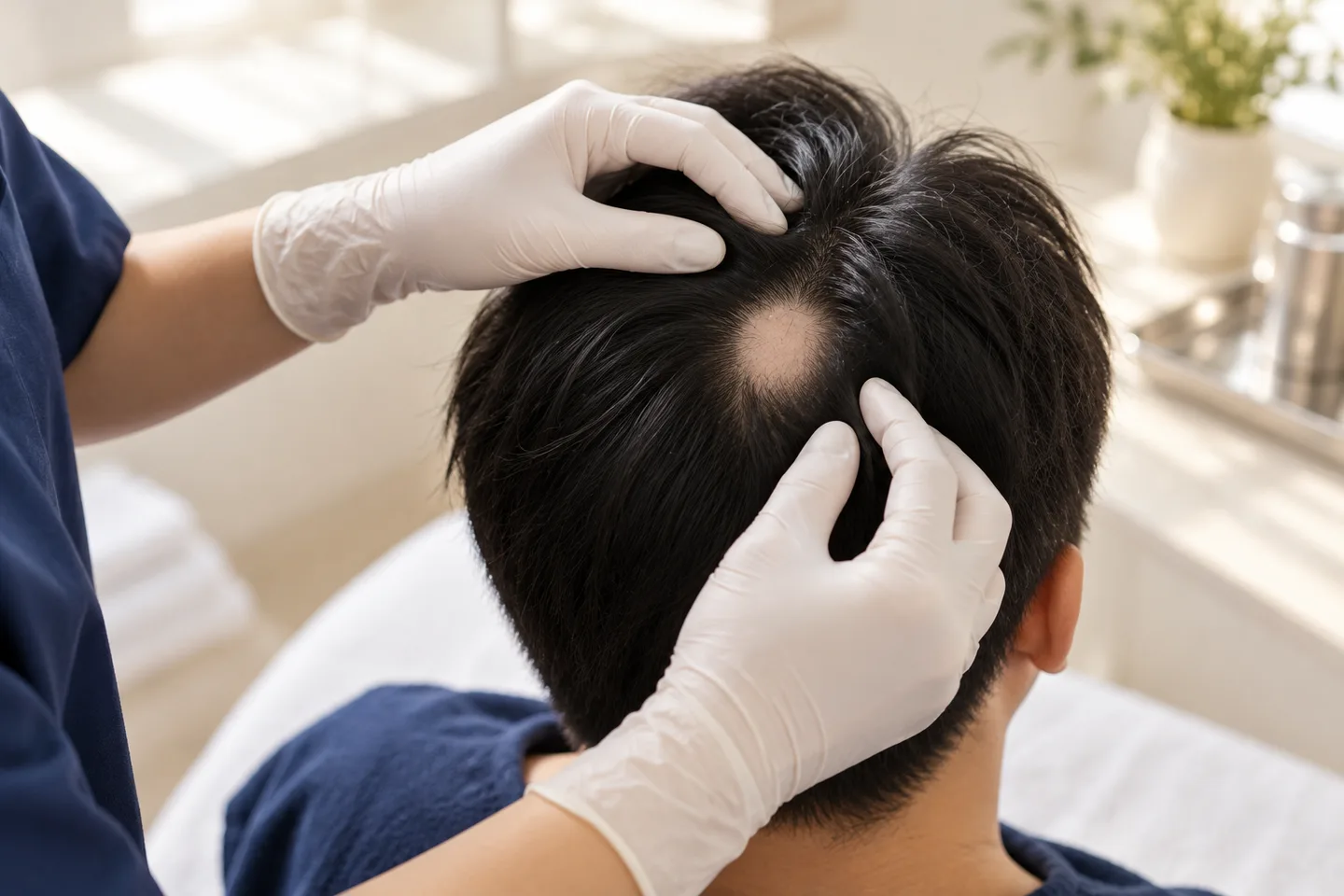
Alopecia areata is an autoimmune condition that causes hair loss, often appearing as round or oval bald patches on the scalp. In more severe cases, it can lead to extensive scalp hair loss or complete loss of scalp and body hair.
For patients with severe alopecia areata, newer targeted medicines have expanded the available treatment options.
Olumiant (baricitinib) is an oral JAK inhibitor used to treat severe alopecia areata. It works by reducing immune signaling involved in the attack on hair follicles, allowing hair regrowth in some patients.
Unlike traditional biologic injections, Olumiant is taken as a tablet, usually once daily.
For patients seeking alopecia areata treatment in Bangkok, Thailand, this guide explains how Olumiant works, who may benefit, expected results, necessary blood tests, potential side effects, and what to discuss with a dermatologist before treatment.
What Is Alopecia Areata?
Alopecia areata is an autoimmune disease in which the immune system mistakenly attacks hair follicles.
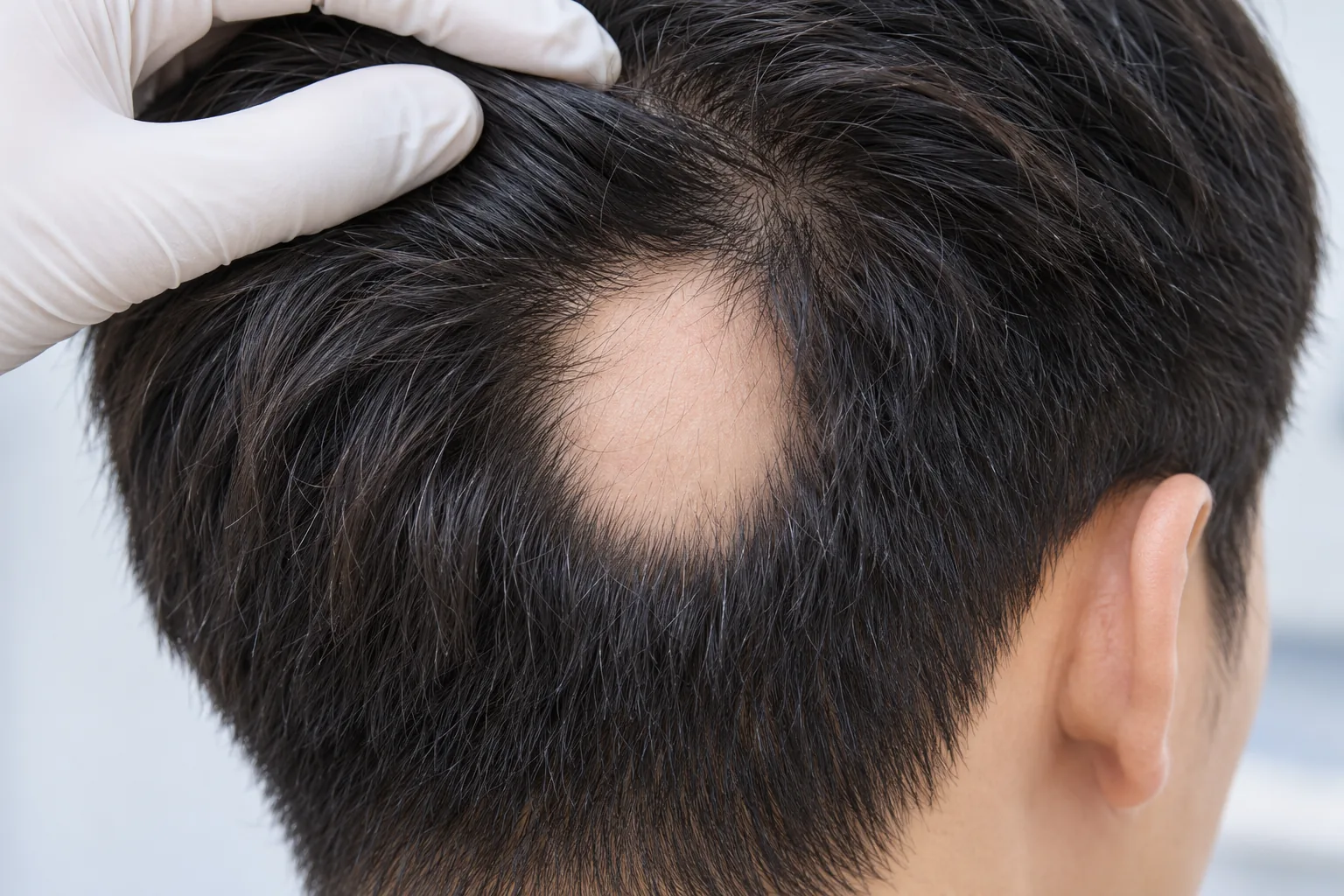
The inflammation interferes with normal hair growth, causing hair to fall out.
The hair follicles are usually not permanently destroyed, which means regrowth remains possible.
However, the course of alopecia areata is unpredictable. Some patients experience spontaneous regrowth, while others develop recurrent or persistent hair loss.
Common Symptoms of Alopecia Areata
Symptoms may include:
- Round or oval patches of hair loss
- Smooth skin in areas where hair has fallen out
- Sudden or rapidly progressive hair loss
- Loss of eyebrows or eyelashes
- Small broken hairs near the edges of patches
- Nail pitting or other nail changes
- Extensive loss of scalp or body hair in severe cases
Alopecia areata is not contagious.
It is also different from male or female pattern hair loss, which is primarily related to genetic and hormonal influences.
Types of Alopecia Areata
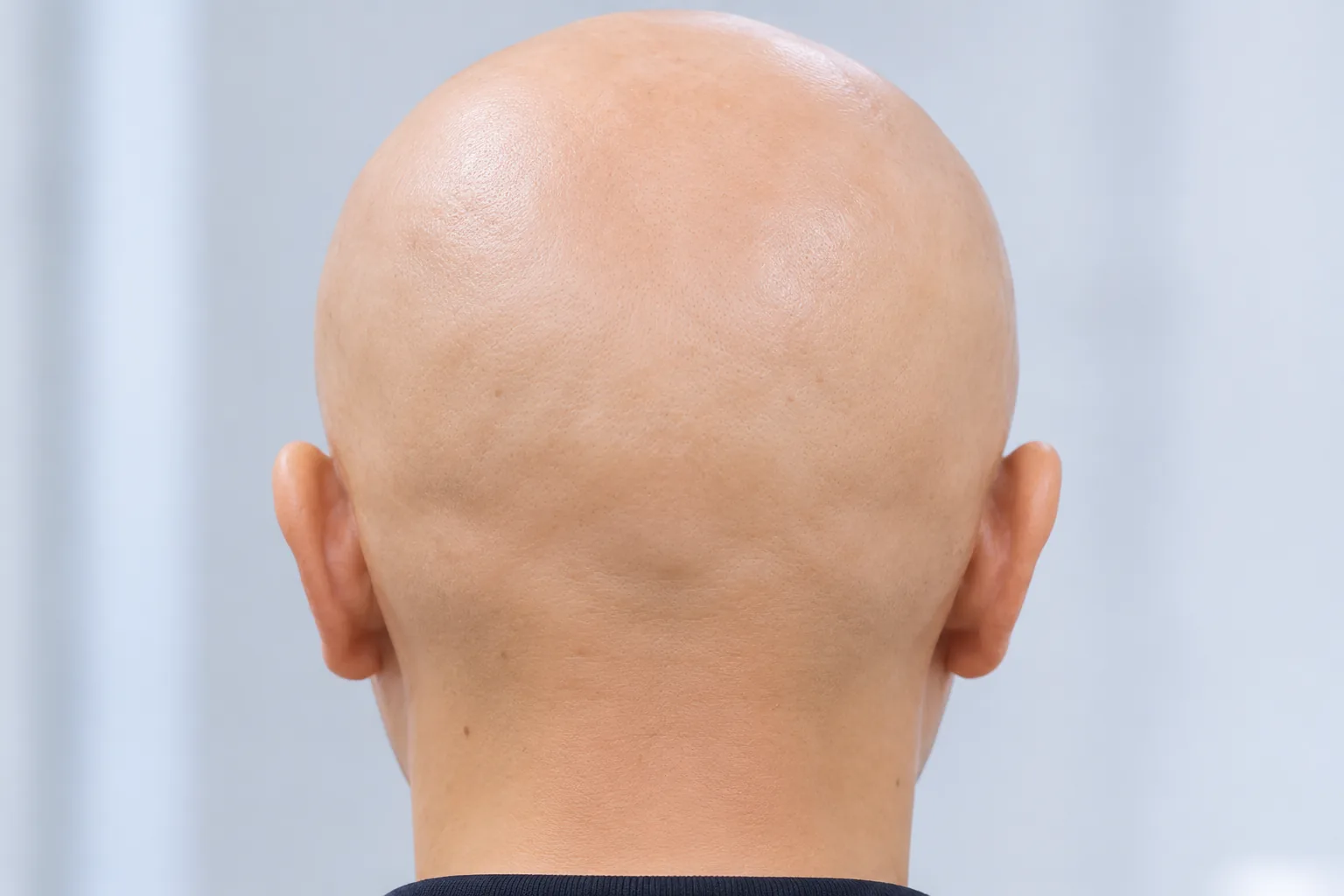
Patchy Alopecia Areata
One or several patches of hair loss develop on the scalp or other hair-bearing areas.
Many patients with limited disease can be treated with local therapies.
Alopecia Totalis
This refers to complete or nearly complete loss of scalp hair.
Alopecia Universalis
This refers to extensive loss of hair across the body, potentially including the scalp, eyebrows, eyelashes, and body hair.
Diffuse Alopecia Areata
Some patients experience widespread thinning rather than clearly defined bald patches.
This can resemble other causes of diffuse hair shedding and may require additional assessment.
What Causes Alopecia Areata?
Alopecia areata develops through an abnormal immune response directed against hair follicles.
Genetic susceptibility and immune signaling pathways contribute to the condition.
Some patients have associated autoimmune conditions, including thyroid disease or vitiligo.
Emotional stress or illness may precede an episode in some individuals, but neither should be assumed to be the sole cause.
Alopecia areata is not caused simply by poor hair care, shampoo choice, or inadequate scalp hygiene.
How Do Dermatologists Diagnose Alopecia Areata?
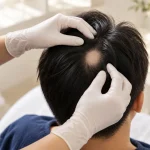
Diagnosis usually begins with a medical history and scalp examination.
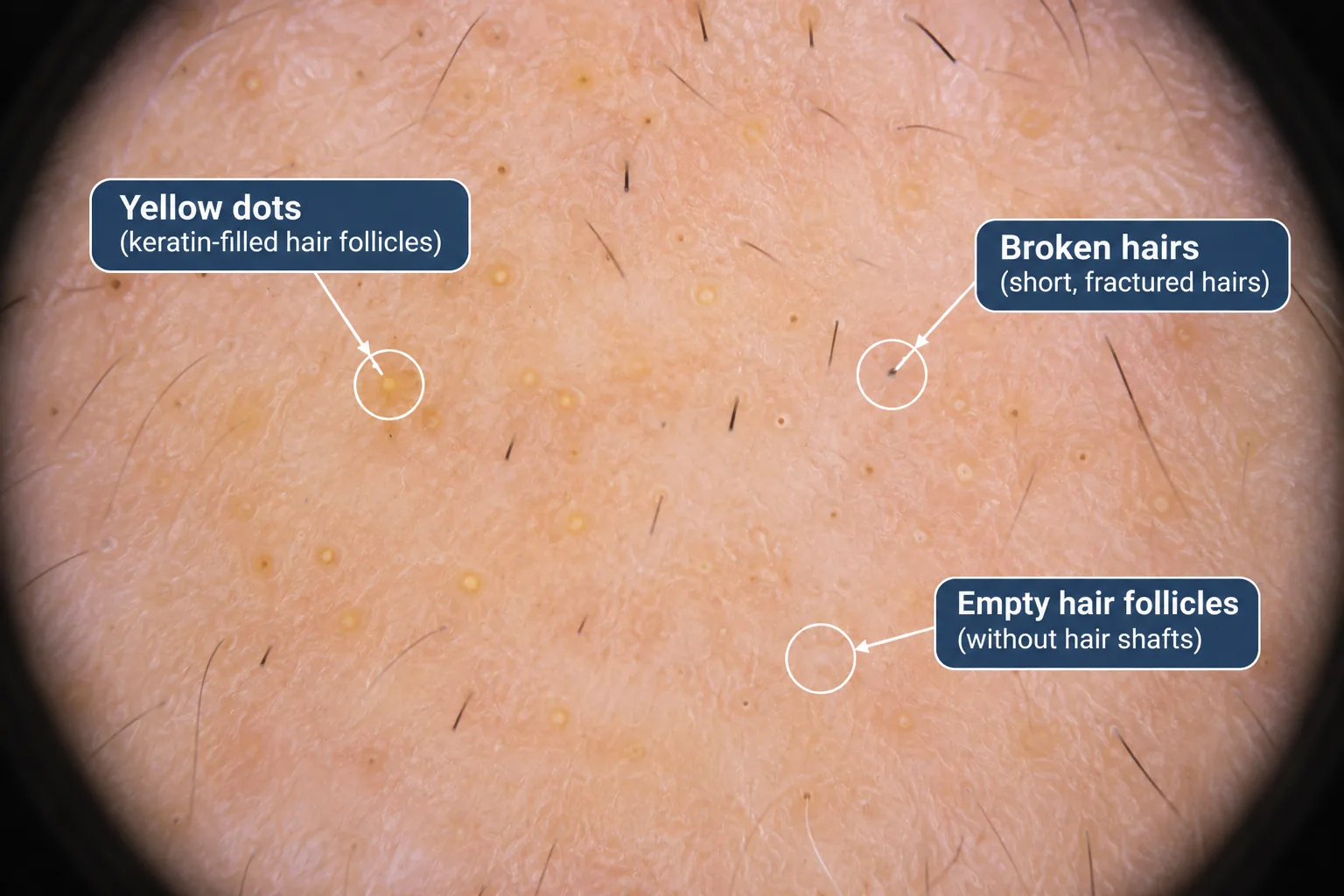
A dermatologist may use dermoscopy, also called trichoscopy when examining hair and scalp, to identify characteristic findings.
These may include:
- Yellow dots
- Black dots
- Broken hairs
- Exclamation-mark hairs
- Short regrowing hairs
The appearance varies according to disease activity.
A scalp biopsy is occasionally necessary when the diagnosis is uncertain.
Do You Need Blood Tests to Diagnose Alopecia Areata?
Blood tests are not required to confirm every case.
Depending on the medical history and examination, a dermatologist may investigate thyroid disease, iron deficiency, or other conditions.
These tests help identify associated conditions or alternative causes of hair loss rather than directly confirming alopecia areata.
How Is Alopecia Areata Severity Measured?
Dermatologists often use the Severity of Alopecia Tool (SALT).
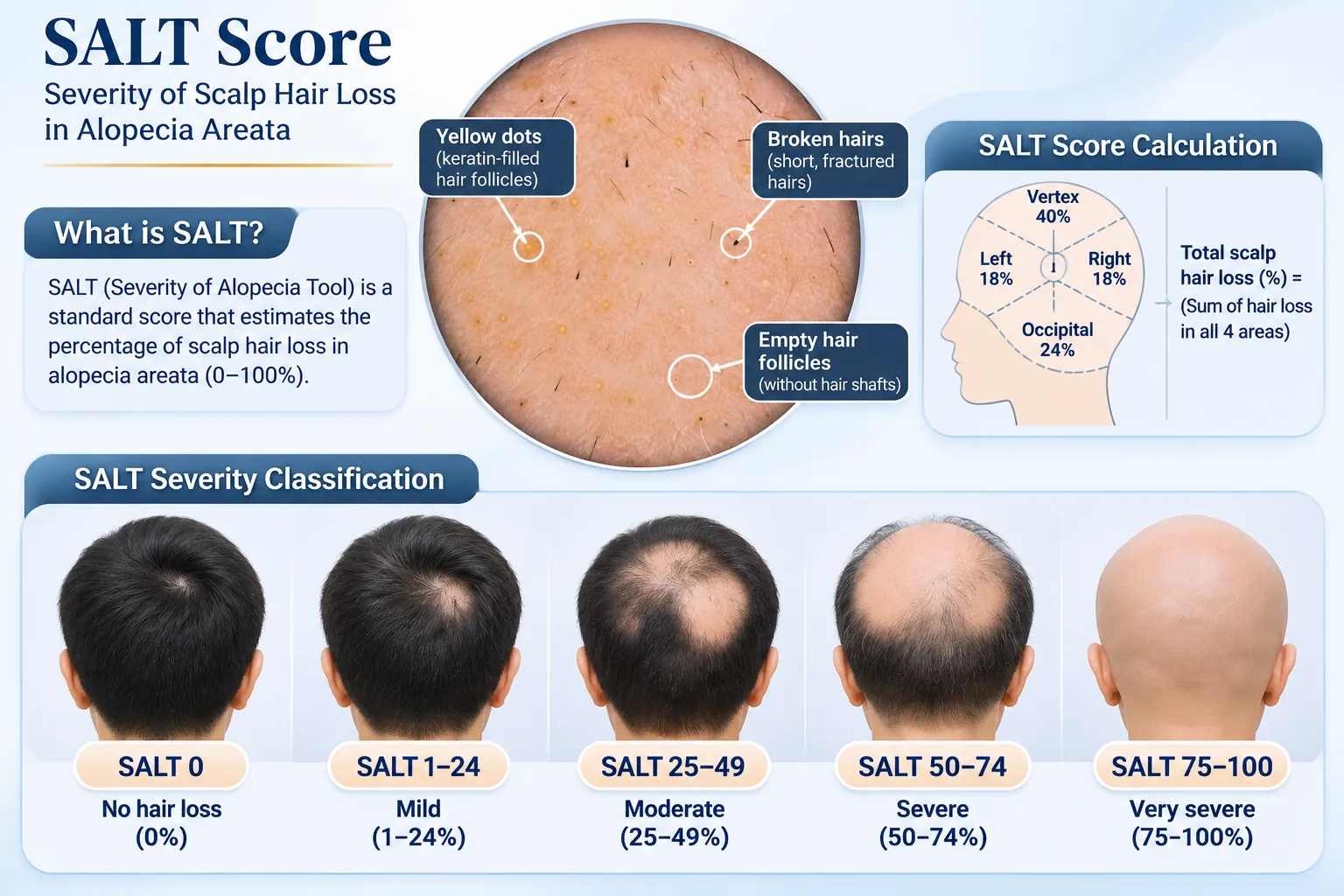
The SALT score estimates the percentage of scalp hair that has been lost.
| SALT score | Approximate scalp hair loss |
|---|---|
| SALT 10 | 10% |
| SALT 25 | 25% |
| SALT 50 | 50% |
| SALT 75 | 75% |
| SALT 100 | 100% |
Severe alopecia areata is often associated with substantial scalp hair loss, such as a SALT score of 50 or higher.
However, severity assessment should also consider eyebrow and eyelash loss, rapid progression, previous treatment failure, and the effect on quality of life.
A SALT score alone does not determine every treatment decision.
Alopecia Areata Treatment Options in Bangkok
Treatment depends on the extent of hair loss, disease activity, patient age, previous response, and individual medical risks.
1. Corticosteroid Injections
For limited patchy alopecia areata, corticosteroid injections into affected areas are commonly used.
They can reduce local inflammation and may encourage regrowth.
Possible adverse effects include temporary skin thinning or indentation at injection sites.
2. Topical Corticosteroids
Potent topical corticosteroids may be considered, particularly for selected patients with patchy disease.
Their effectiveness varies, and prolonged use requires appropriate supervision.
3. Topical Minoxidil
Minoxidil may be used as an additional treatment to support hair growth.
However, it does not directly correct the underlying autoimmune process and should not be considered equivalent to an immune-targeted medicine.
4. Contact Immunotherapy
Specialist contact immunotherapy may be considered for extensive alopecia areata in appropriate settings.
It requires repeated applications and careful supervision.
5. Systemic Corticosteroids or Other Immunosuppressive Medicines
Selected patients may receive short courses of systemic corticosteroids or other systemic treatments.
Benefits must be weighed against adverse effects and the risk of relapse after stopping treatment.
6. Oral JAK Inhibitors
JAK inhibitors are targeted oral medicines that interfere with inflammatory signals involved in alopecia areata.
They are important treatment options for appropriately selected patients with severe disease.
Olumiant is one such medicine.
What Is Olumiant (Baricitinib)?
Olumiant is the brand name for baricitinib, a prescription medicine that inhibits Janus kinase enzymes, particularly JAK1 and JAK2.
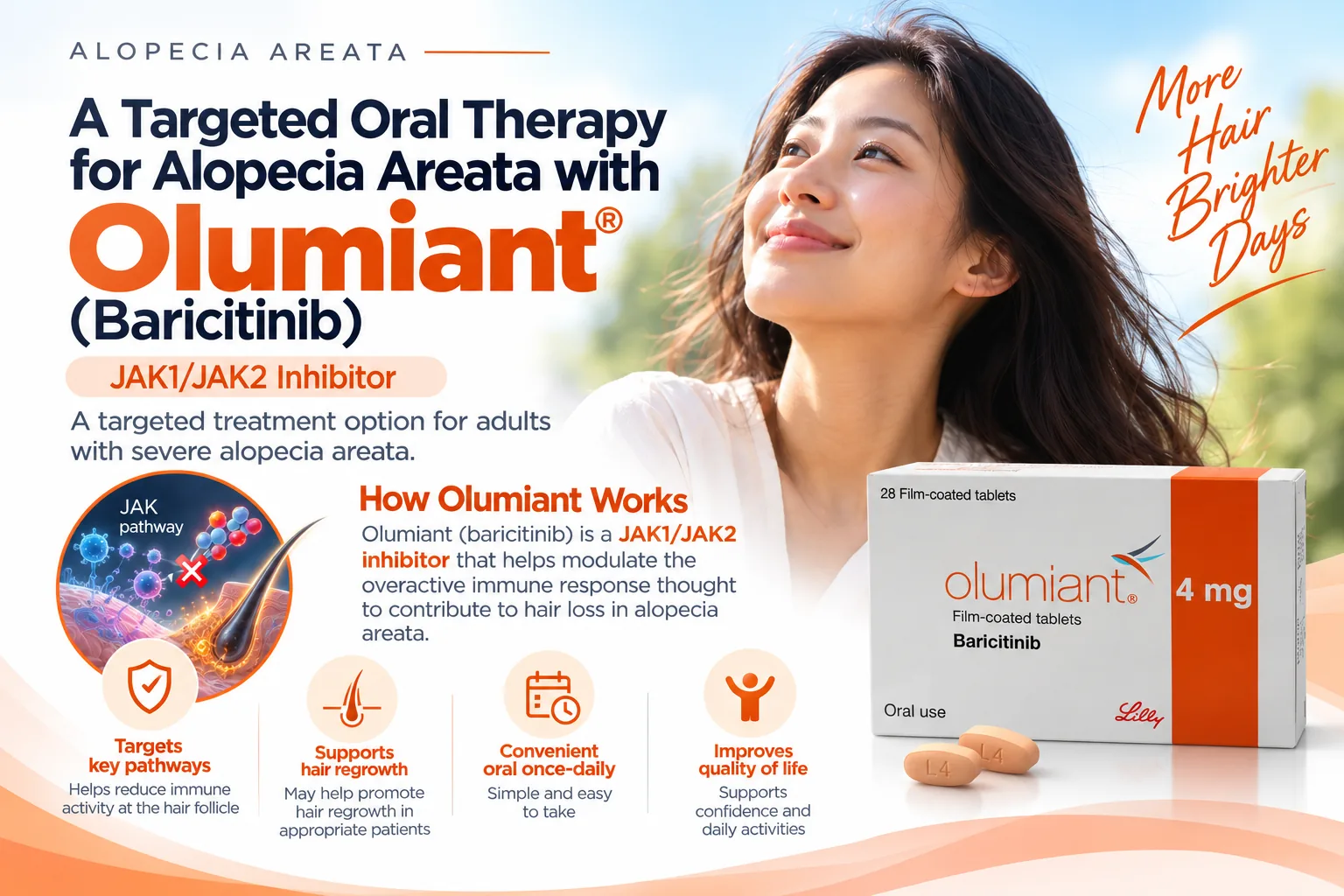
These enzymes participate in the signaling pathways that help immune cells communicate.
In alopecia areata, interfering with these pathways can reduce the immune activity directed against hair follicles.
This may allow hair follicles to resume producing hair.
Is Olumiant a Biologic?
No.
Although Olumiant is sometimes discussed alongside biologic treatments because it targets immune inflammation, it is classified as a targeted synthetic medicine.
Olumiant is an oral JAK inhibitor, not a biologic injection.
This distinction matters because its administration, safety monitoring, and treatment considerations differ from those of biologic antibodies.
Who May Benefit from Olumiant?
Olumiant may be considered for patients with severe alopecia areata.
Examples include patients who have:
- Extensive scalp hair loss
- Alopecia totalis
- Alopecia universalis
- Persistent severe disease
- Inadequate response to previous treatments
- Substantial eyebrow or eyelash involvement
- Significant effects on daily life and emotional well-being
Not every patient with a small bald patch needs Olumiant.
Limited disease may respond to corticosteroid injections or other local treatments without the risks associated with systemic immune-targeted therapy.
Is Olumiant Suitable for Male and Female Patients?
Yes. Baricitinib has been studied in both male and female patients with severe alopecia areata.
Treatment suitability depends on disease severity, age, medical history, reproductive considerations, and other risk factors.
Can Children Take Olumiant?
The United States expanded the approved indication for severe alopecia areata to patients aged 12 years and older in September 2026.
However, the approved age range and indication in Thailand must be checked against current Thai regulatory information. Approval in the United States does not automatically mean the same indication is approved in Thailand.
Olumiant Dosage for Alopecia Areata: 2 mg vs 4 mg
Olumiant is taken orally, usually once daily.
According to current United States prescribing information, the recommended starting dose for severe alopecia areata is 2 mg once daily.
The dose may be increased to 4 mg once daily if the response is inadequate.
For patients with nearly complete or complete scalp hair loss, a clinician may consider 4 mg once daily from the beginning, depending on the prescribing information and individual assessment.
When an adequate response is achieved with 4 mg, dose reduction to 2 mg may be considered.
| Dose | General clinical consideration |
|---|---|
| 2 mg once daily | Standard recommended starting dose in current U.S. labeling |
| 4 mg once daily | May be considered for inadequate response or very extensive hair loss |
| Lower adjusted dose | May be necessary with certain kidney problems or drug interactions |
Patients should not start, increase, reduce, or stop Olumiant without medical supervision.
Kidney function, blood counts, other medications, and safety concerns may require a different dose or make treatment inappropriate.
How Effective Is Olumiant for Severe Alopecia Areata?
Olumiant has been evaluated in large randomized clinical trials involving adults with severe alopecia areata.
Two major phase 3 trials, BRAVE-AA1 and BRAVE-AA2, compared baricitinib with placebo.
The main outcome was the proportion of patients achieving a SALT score of 20 or less after 36 weeks, meaning 20% or less scalp hair loss.
Hair Regrowth Results at Week 36
| Treatment | BRAVE-AA1 | BRAVE-AA2 |
|---|---|---|
| Olumiant 4 mg daily | Approximately 35% | Approximately 32% |
| Olumiant 2 mg daily | Approximately 22% | Approximately 17% |
| Placebo | Approximately 5% | Approximately 3% |
These figures show that Olumiant can produce substantial hair regrowth in a meaningful proportion of patients with severe alopecia areata.
However, they also demonstrate that many patients do not reach this degree of improvement within 36 weeks.
Olumiant does not guarantee full hair regrowth.
The likelihood of response can vary according to the extent and duration of hair loss and other individual factors.
How Long Does Olumiant Take to Work?
Hair regrowth is usually gradual.
Some patients may notice early regrowth within the first few months, but others require a longer period.
The pivotal trials assessed a major treatment outcome at 36 weeks.
Therefore, patients should not judge treatment failure solely because substantial regrowth has not occurred after four or six weeks.
A dermatologist should assess progress over time, using clinical examination, standardized photographs, and changes in the SALT score.
Does Hair Grow Back Completely?
Complete or nearly complete regrowth is possible in some patients.
However, responses vary considerably.
Patients with very extensive or long-standing hair loss may have a lower probability of reaching certain treatment targets than patients with less extensive disease.
Can Olumiant Regrow Eyebrows and Eyelashes?
Olumiant may improve eyebrow and eyelash hair loss in some patients with severe alopecia areata.
Clinical trials have evaluated these outcomes in addition to scalp hair regrowth.
However, eyebrow and eyelash responses are not guaranteed, and improvement may occur at a different pace from scalp hair.
Blood Tests Before Starting Olumiant in Thailand
Olumiant affects immune signaling and can alter certain laboratory results.
A medical assessment is essential before starting treatment.
1. Tuberculosis Screening
Screening for tuberculosis is important before treatment.
A blood test such as QuantiFERON-TB may be used.
Additional assessment, including chest imaging, may be required based on clinical findings and risk factors.
If latent tuberculosis is identified, appropriate management should be arranged before starting therapy.
2. Hepatitis B and C Screening
Hepatitis B screening is particularly relevant in Thailand.
Testing may include HBsAg, anti-HBs, and anti-HBc.
Hepatitis C screening may also be recommended.
Patients with current or previous viral hepatitis may need additional assessment and monitoring.
3. Complete Blood Count
Olumiant can affect blood cell counts.
Baseline testing should evaluate hemoglobin, white blood cells, and other relevant measurements.
Treatment may need to be delayed or modified if significant abnormalities are present.
4. Liver and Kidney Function
Liver and kidney function should be assessed before treatment.
Kidney function is particularly important because reduced renal clearance may require dose adjustment or make the medicine unsuitable.
5. Cholesterol and Blood Lipids
Olumiant may increase cholesterol and other blood lipid measurements.
Baseline lipid testing and repeat assessment during treatment may be appropriate.
6. Other Tests and Vaccinations
Additional tests depend on medical history and clinical risk.
Vaccination status should be reviewed before treatment, and live vaccines are generally avoided during Olumiant therapy.
Not every patient requires an identical laboratory panel or monitoring schedule.
Olumiant Side Effects and Safety
Olumiant can be effective, but it also carries important safety warnings.
More Common Adverse Effects
Reported adverse effects include:
- Upper respiratory tract infections
- Acne
- Headache
- Increased cholesterol
- Changes in liver enzymes
- Urinary tract infections
- Folliculitis
- Nausea
- Herpes zoster (shingles)
Serious Risks
The prescribing information includes prominent warnings about serious infections, malignancy, major cardiovascular events, thrombosis, and mortality.
These warnings reflect evidence from the JAK inhibitor drug class, including studies in patients with inflammatory diseases other than alopecia areata.
The absolute risk for an individual alopecia areata patient cannot be assumed to be identical to that observed in older patients with rheumatoid arthritis and cardiovascular risk factors.
Nevertheless, these warnings must be taken seriously when selecting treatment.
Patients Requiring Particular Caution
A dermatologist should carefully assess patients with:
- Previous serious or recurrent infections
- Tuberculosis or viral hepatitis
- Previous blood clots
- Significant cardiovascular risk factors
- Current or previous malignancy
- Significant liver or kidney disease
- Abnormal blood counts
- Pregnancy or plans for pregnancy
- Relevant medication interactions
Smoking history and age may also influence risk assessment.
When Should You Seek Urgent Medical Care?
Seek urgent medical attention for:
- Chest pain or sudden shortness of breath
- Painful swelling of one leg
- Sudden weakness or difficulty speaking
- High fever or signs of serious infection
- Severe allergic symptoms
These symptoms should not be managed by simply skipping a dose and waiting for them to improve.
Can Olumiant Be Used Long-Term?
Alopecia areata can be chronic and recurrent.
Some patients may need ongoing treatment to maintain hair regrowth.
Long-term studies provide information about continued treatment response, but the decision to continue Olumiant should include regular assessment of benefit, adverse effects, laboratory findings, and patient preferences.
Treatment should be reviewed periodically rather than continued automatically.
Will Hair Fall Out Again After Stopping Olumiant?
Hair loss may recur after Olumiant is discontinued.
The underlying autoimmune tendency can remain even after substantial regrowth.
Clinical studies of treatment withdrawal have shown that many patients lose their maintained response after stopping baricitinib.
Some patients may regain improvement after restarting treatment, but recovery is not guaranteed.
Patients should discuss any planned interruption or dose reduction with their dermatologist.
Olumiant vs Steroid Injections: Which Is Better?
These treatments are generally used in different clinical situations.
| Feature | Corticosteroid injections | Olumiant |
|---|---|---|
| Treatment type | Local anti-inflammatory treatment | Systemic targeted immune treatment |
| Administration | Injections into affected patches | Oral tablet |
| Typical use | Limited patchy alopecia areata | Severe or extensive alopecia areata |
| Blood monitoring | Usually limited for local injections | Required according to clinical assessment |
| Main risks | Local skin thinning and indentation | Infections, laboratory changes, and systemic safety risks |
| Suitable for everyone? | No | No |
For a patient with one or two small patches, local corticosteroid injections may be preferable.
For extensive or persistent severe alopecia areata, Olumiant may be considered after an appropriate risk-benefit assessment.
Olumiant vs Minoxidil for Hair Loss
Olumiant and minoxidil have different roles.
Olumiant targets immune pathways involved in alopecia areata.
Minoxidil promotes hair growth but does not directly suppress the autoimmune attack on hair follicles.
Minoxidil may sometimes be used as an additional treatment, but it is not an equivalent substitute for Olumiant in severe autoimmune alopecia.
Importantly, Olumiant is not a routine treatment for androgenetic alopecia, commonly called male or female pattern hair loss.
A correct diagnosis is essential before considering treatment.
How Much Does Olumiant Cost in Thailand?
The cost of treatment depends on:
- Tablet strength
- Duration of treatment
- Medication availability
- Baseline laboratory testing
- Follow-up appointments
- Repeat blood tests
- Insurance coverage
Because severe alopecia areata may require prolonged treatment, patients should consider the total ongoing cost rather than the price of one month’s medication.
Prices and insurance eligibility should be confirmed with the prescribing provider.
Olumiant for Expats and International Patients in Bangkok
Patients who have already started Olumiant overseas should bring their medical records when seeking care in Thailand.
Useful documents include:
- Diagnosis and previous treatment history
- Current Olumiant dose
- Date treatment started
- Recent blood test results
- Tuberculosis and hepatitis screening results
- Other prescribed medications
- Records of treatment response or adverse effects
Medication availability and local prescribing requirements should be confirmed before traveling or running out of medication.
Patients should not change their dose or interrupt treatment solely because they are moving between countries without arranging medical follow-up.
When Should You See a Dermatologist for Hair Loss?
Seek dermatology assessment if you develop:
- Sudden round or oval bald patches
- Rapidly worsening hair loss
- Loss of eyebrows or eyelashes
- Extensive scalp hair loss
- Recurrent alopecia areata
- Hair loss accompanied by scalp redness, pain, scaling, or scarring
- Hair loss that does not respond to previous treatment
Painful inflammation, pustules, or signs of scarring require timely assessment because some other hair disorders can cause permanent follicle damage.
Alopecia Areata Consultation at Clear Skin Dermatology, Bangkok
Clear Skin Dermatology is a medical dermatology and skin cancer clinic located in the Asoke area of Bangkok, Thailand.
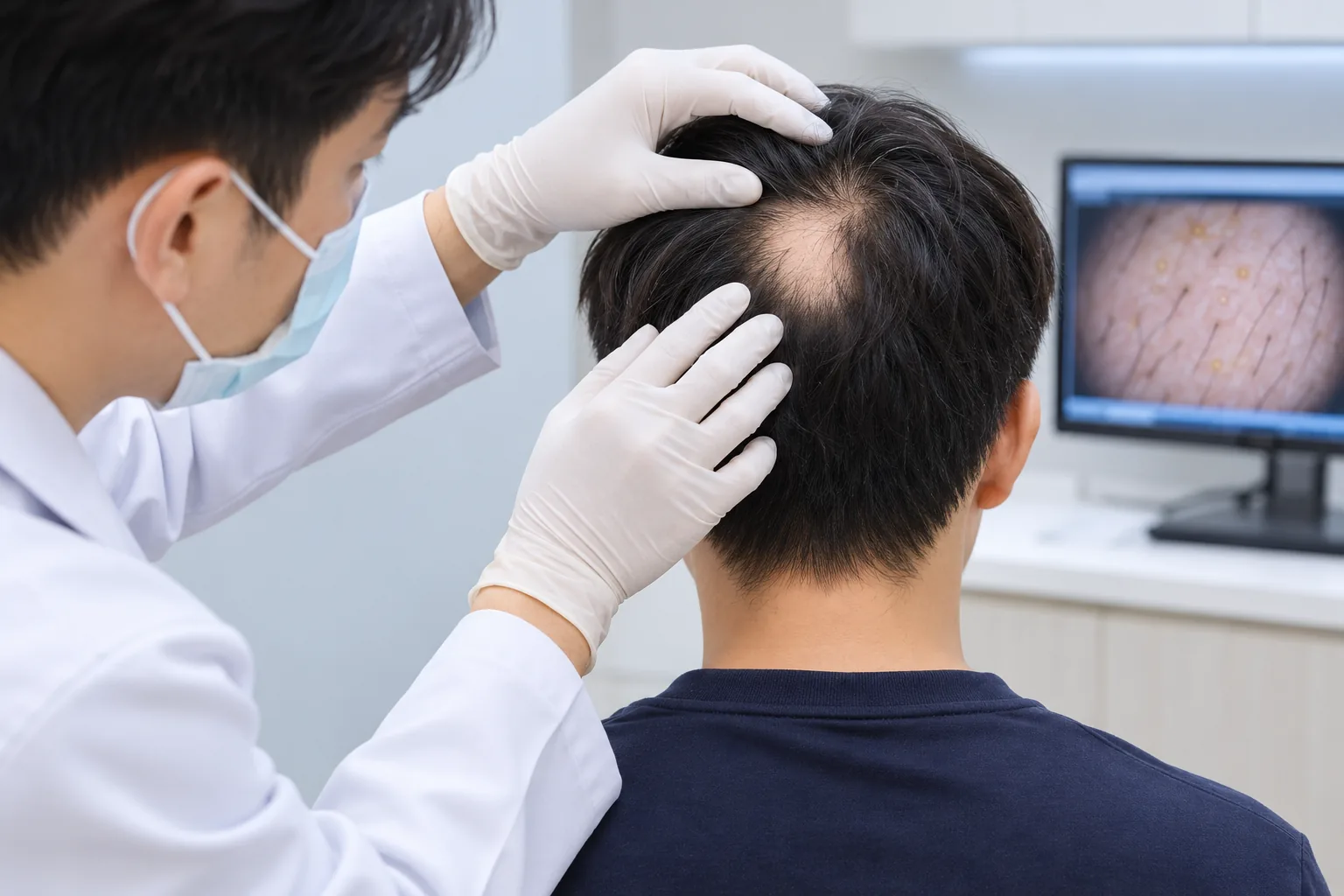
Patients with alopecia areata can seek a dermatology assessment to confirm the diagnosis, determine the extent of hair loss, and discuss suitable treatment options.
A consultation may include:
- Scalp and hair examination
- Assessment of alopecia areata severity
- Review of previous corticosteroid or other treatments
- Evaluation of eyebrow and eyelash involvement
- Discussion of local and systemic treatment options
- Assessment of whether Olumiant may be appropriate
- Planning necessary screening and laboratory tests
- Follow-up arrangements for long-term disease management
Not every patient with alopecia areata requires Olumiant.
The goal is to select an appropriate treatment according to disease severity, expected benefits, medical risks, and the patient’s preferences.
Patients specifically interested in Olumiant should contact the clinic to confirm current prescribing arrangements and medication availability.
Clear Skin Dermatology
Medical Dermatology & Skin Cancer Clinic
Asoke, Bangkok, Thailand
Frequently Asked Questions About Olumiant for Alopecia Areata
1. Is Olumiant approved for alopecia areata?
Olumiant is approved in the United States for severe alopecia areata in patients aged 12 years and older under the current U.S. label. The specific approved indication and age range in Thailand should be verified with current Thai regulatory information.
2. Is Olumiant a biologic medicine?
No. Olumiant is an oral JAK inhibitor, classified as a targeted synthetic medicine rather than a biologic antibody.
3. Can Olumiant regrow hair?
Yes, substantial hair regrowth occurs in some patients with severe alopecia areata. However, treatment does not work equally well for everyone.
4. How long does Olumiant take to work?
Hair regrowth is gradual. Clinical trials assessed a major treatment outcome at 36 weeks, although some patients improve earlier.
5. Is Olumiant 4 mg better than 2 mg?
In pivotal adult trials, 4 mg produced higher rates of substantial scalp hair regrowth than 2 mg. However, the appropriate dose depends on severity, response, and individual safety factors.
6. Can Olumiant treat alopecia totalis?
It may be considered for severe disease, including alopecia totalis. Patients with nearly complete or complete scalp hair loss may have lower response rates than patients with less extensive hair loss.
7. Can Olumiant treat alopecia universalis?
Some patients with alopecia universalis may benefit, but full hair regrowth is not guaranteed.
8. Does Olumiant regrow eyebrows and eyelashes?
It can improve eyebrow and eyelash hair loss in some patients, although the response varies.
9. Do I need blood tests before taking Olumiant?
Yes. Pretreatment assessment commonly includes blood counts, liver and kidney function, infection screening, and other tests based on risk factors.
10. Can Olumiant cause infections?
Yes. Because Olumiant affects immune signaling, it can increase susceptibility to certain infections.
11. Can I take Olumiant if I have hepatitis B?
Some patients may be considered for treatment after specialist evaluation, but viral reactivation risks and appropriate monitoring must be addressed.
12. Can I take Olumiant if I have latent tuberculosis?
Treatment may be possible after appropriate tuberculosis assessment and management. The decision requires medical supervision.
13. Can Olumiant cause blood clots?
JAK inhibitors carry warnings about thrombosis. Individual risk assessment is important, particularly in patients with previous blood clots or other risk factors.
14. Can Olumiant be used during pregnancy?
Olumiant is generally avoided during pregnancy because of potential fetal harm. Patients planning pregnancy should discuss appropriate treatment alternatives and contraception with their physician.
15. Will my hair fall out if I stop Olumiant?
Hair loss may recur after stopping treatment, even if substantial regrowth occurred.
16. Can Olumiant treat male pattern baldness?
No. Olumiant is not a routine treatment for androgenetic alopecia. These conditions have different causes and treatment approaches.
17. How much does Olumiant cost in Bangkok?
The cost varies with tablet strength, treatment duration, monitoring, and local availability. Patients should request an individualized estimate.
18. Where can I consult a dermatologist about Olumiant in Bangkok?
Patients can arrange a dermatology consultation at Clear Skin Dermatology in Asoke to discuss alopecia areata and available treatment options. Specific Olumiant prescribing and supply should be confirmed before booking.
Conclusion: Is Olumiant Right for Severe Alopecia Areata?
Olumiant (baricitinib) is an important targeted treatment option for severe alopecia areata.
Unlike traditional biologic injections, it is an oral JAK inhibitor that reduces immune signaling associated with hair follicle inflammation.
Clinical trials show that substantial hair regrowth is possible in a proportion of patients, including some with extensive hair loss.
However, results vary, treatment may need to continue long-term, and significant safety considerations require careful assessment.
The most important step is confirming the diagnosis and determining whether the potential benefits of Olumiant outweigh the risks for the individual patient.
For patients seeking alopecia areata treatment in Bangkok, a dermatologist can help evaluate the severity of hair loss, discuss treatment alternatives, and plan appropriate monitoring.
Clear Skin Dermatology — Asoke, Bangkok, Thailand
Medical disclaimer: This article is intended for patient education and does not replace medical consultation. Olumiant is a prescription medicine that requires individualized assessment, appropriate laboratory screening, and ongoing monitoring. Regulatory indications and availability may differ between countries.
Medical References
- Olumiant prescribing information, updated October 2026. Covers approved indications, dosing, contraindications and precautions, laboratory monitoring, and major safety warnings.
- BRAVE-AA1 and BRAVE-AA2 clinical trials. Two randomized controlled trials involving approximately 1,200 adults with severe alopecia areata provide the principal efficacy data used in the article.
- American Academy of Dermatology. Describes diagnosis, corticosteroid treatment, JAK inhibitors, and other management options for alopecia areata.
- Current age-related regulatory information. The U.S. indication was expanded to patients aged 12 years and older in September 2026. Thai regulatory approval must be checked separately.
Medically reviewed by
Reviewed on
Related articles
-
Skin Conditions & Rashes Heat Rash in Thailand: Causes, Treatment & Prevention Developing small, itchy bumps while traveling in Thailand is common, particularly during hot and humid weather. You may notice a prickling sensation on your neck, red bumps across your chest, or an irritating rash on your back after spending time outdoors.

-
Skin Conditions & Rashes Sun Rash and Sun Allergy in Thailand: Symptoms, Causes and Treatment Developing an itchy rash after spending time outdoors in Thailand can be confusing. You may notice small red bumps on your arms, an itchy rash across your chest, or raised welts that appear shortly after exposure to sunlight.
-
Skin Conditions & Rashes Developed a Skin Rash While Traveling in Thailand? Common Causes and What to Do Developing a skin rash while traveling in Thailand can be uncomfortable and sometimes worrying, especially when you are unfamiliar with the local climate, insects, plants, or potential infections.