







Skin Boosters
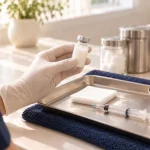
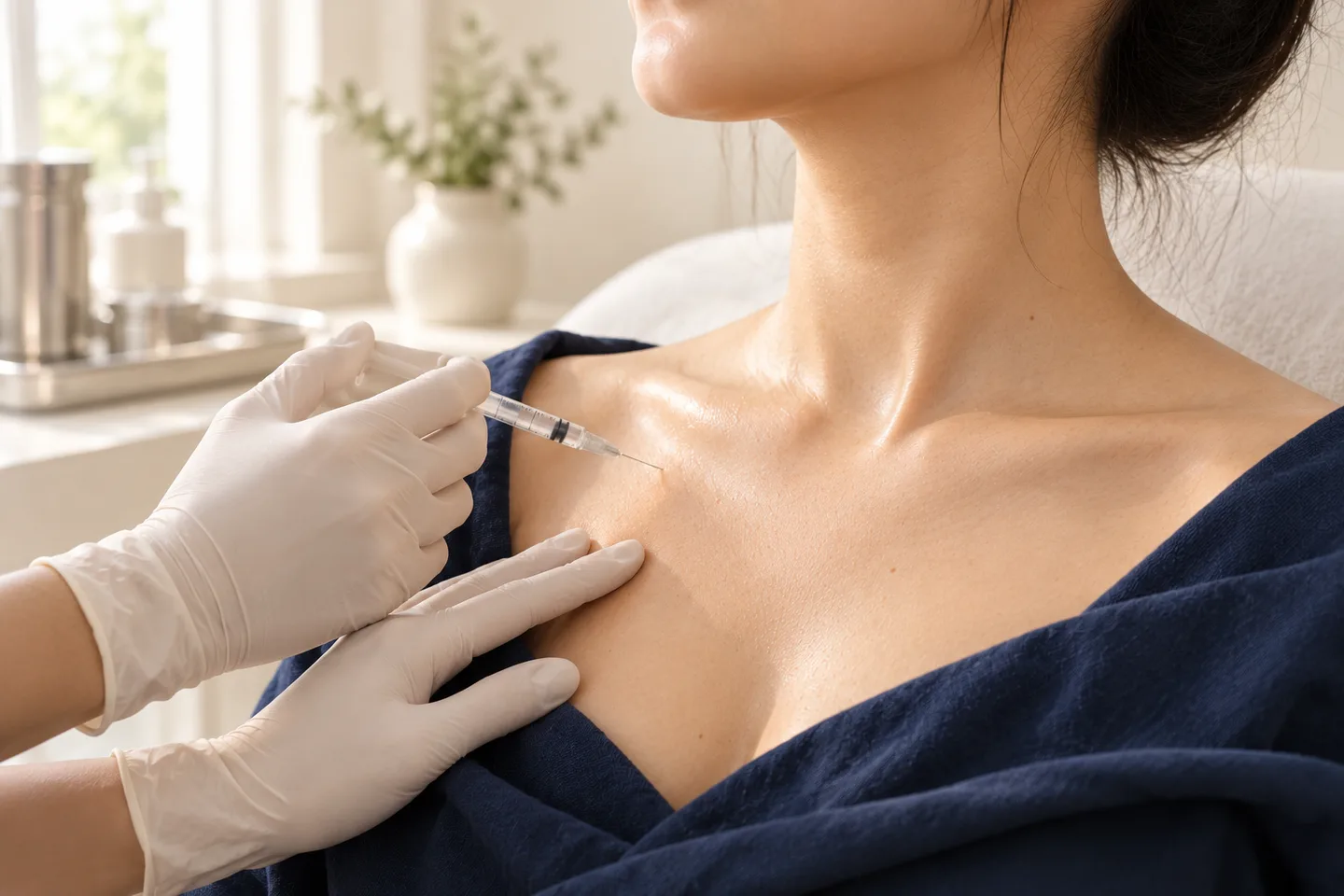
Skin boosters are injectable treatments designed primarily to improve skin quality rather than change facial shape or add obvious volume. Depending on the product, they may be used to improve hydration, fine lines, texture, elasticity, and overall skin appearance.
The term “skin booster,
” however, is broad. It does not describe one standardized treatment or ingredient. Products marketed as skin boosters may contain hyaluronic acid (HA), polynucleotides (PN), polydeoxyribonucleotides (PDRN), or other injectable formulations, and their evidence, injection technique, expected results, and risks are not identical. Recent reviews specifically emphasize this lack of a universal definition.
For someone considering skin boosters in Bangkok, a more useful question than simply asking “Which skin booster is best?” is:
What skin concern are we trying to improve, what exactly is being injected, and is that product appropriate for my skin and treatment area?
Among the various injectable options, hyaluronic acid skin boosters have the strongest established clinical evidence for improving several measures of facial skin quality, although the available studies remain heterogeneous and larger controlled studies are still needed.What Are Skin Boosters?
Skin boosters are injectable treatments placed within or beneath the skin with the goal of improving skin quality.
They generally aim to address concerns such as:
- Dehydrated-looking skin
- Fine superficial lines
- Rough texture
- Reduced elasticity
- Dullness
- Crepey skin
- Early signs of skin aging
Unlike traditional dermal fillers, skin boosters are usually not primarily intended to create cheek projection, enlarge lips, reshape the chin, or replace significant facial volume.
The distinction is important because both treatments may use hyaluronic acid, yet the formulation, injection depth, amount, distribution, and treatment goal may be very different.
Is “Skin Booster” a Medical Diagnosis or a Specific Product?
No.
“Skin booster” is an umbrella term rather than a single standardized medical category.
Depending on the country, clinic, manufacturer, and product, the term may refer to:
- Non-crosslinked hyaluronic acid
- Lightly crosslinked hyaluronic acid
- Hyaluronic acid combined with other ingredients
- Polynucleotides
- PDRN-containing formulations
- Injectable “biorevitalization” products
- Other materials intended to improve skin quality
This makes it difficult to compare one “skin booster” with another based on the category name alone.
Before treatment, patients should therefore know the exact product and ingredient being injected, rather than simply being told they are receiving a skin booster.
What Do Skin Boosters Actually Do?
The intended effects depend on the injected material.
For hyaluronic acid-based treatments, the main goals are usually:
- Improving skin hydration
- Improving skin elasticity
- Smoothing fine surface irregularities
- Improving skin texture
- Supporting a healthier-looking skin surface
A 2023 systematic review evaluating injectable hyaluronic acid for facial skin quality included 13 studies and found promising improvements across measures such as hydration, firmness, texture, radiance, and elasticity. However, the authors also noted the need for larger randomized controlled trials.
The realistic goal is therefore improved skin quality, not transformation of facial anatomy.
What Are Hyaluronic Acid Skin Boosters?
Hyaluronic acid (HA) is a naturally occurring molecule found in the skin and other tissues. It has a strong ability to bind water and plays an important role in tissue hydration and the extracellular environment.
In skin booster treatments, HA is generally injected in small amounts across a treatment area rather than placed as a large bolus to create facial volume.
Studies of injectable HA skin treatments have reported improvements in skin hydration, elasticity, surface roughness, and other skin-quality measures.
However, not every HA skin booster is identical.
Products vary in:
- HA concentration
- Molecular structure
- Degree of crosslinking
- Particle characteristics
- Additional ingredients
- Injection depth
- Recommended technique
Results from one HA formulation therefore should not automatically be assumed to apply to every other product marketed as a skin booster.
Crosslinked vs Non-Crosslinked Hyaluronic Acid
Hyaluronic acid can be formulated differently.
Non-crosslinked HA
This form tends to be more fluid and is generally intended for hydration and widespread superficial treatment rather than structural filling.
Lightly or stabilized crosslinked HA
Crosslinking slows the breakdown of HA and changes its physical properties.
Some skin-quality injectable products use stabilized or lightly crosslinked HA to provide longer persistence while minimizing obvious volumization.
The exact distinction is product-dependent, which is why treatment should be discussed using the specific formulation, not only the word “HA.
”
What Are Polynucleotide Skin Boosters?
Polynucleotides (PN) are chains composed of nucleotides, the building blocks of DNA and RNA.
Injectable PN products have become increasingly popular in aesthetic medicine and are marketed for skin rejuvenation, hydration, elasticity, and tissue quality.
A 2024 systematic review found promising results for skin texture, elasticity, and wrinkles, but the review included only nine studies involving 219 patients, and the quality of evidence was generally low to moderate. The authors concluded that better-quality research and greater standardization are still needed.
More recent expert reviews similarly describe PN as promising while emphasizing that the evidence base remains smaller than many marketing claims might suggest.
Therefore:
Polynucleotides are an emerging injectable option, but they should not be presented as proven to regenerate skin completely or reverse aging.
What Is PDRN?
Polydeoxyribonucleotide (PDRN) consists of DNA-derived nucleotide fragments and is related to, but not necessarily identical to, the broader category of polynucleotide products.
The terms PN and PDRN are sometimes used loosely in marketing, but formulation, molecular characteristics, concentration, regulatory status, and clinical evidence can differ.
Patients should therefore ask exactly what material they are receiving rather than treating “PN,
” “PDRN,
” and “skin booster” as interchangeable names.
Hyaluronic Acid vs Polynucleotide Skin Boosters
Neither treatment is universally better.
| Feature | Hyaluronic Acid Skin Booster | Polynucleotide Skin Booster |
|---|---|---|
| Main goal | Hydration and skin-quality improvement | Skin-quality improvement and proposed regenerative effects |
| Evidence base | Relatively established for injectable skin quality | Promising but currently more limited |
| Adds major facial volume? | Usually not the goal | Usually not the goal |
| Immediate hydration effect | May be noticeable | Usually more gradual |
| Research quality | Multiple clinical studies and systematic review data | Smaller and more heterogeneous evidence base |
| Treatment course | Product-dependent | Product-dependent |
| Main limitation | Injection risks and temporary results | Less standardized evidence and protocols |
A practical decision should consider the patient’s skin concern, treatment area, evidence for the particular product, safety profile, and desired outcome—not trends on social media.
Skin Boosters vs Dermal Fillers
This is one of the most important distinctions.
Skin Boosters
Primarily aim to improve:
- Hydration
- Fine surface lines
- Texture
- Elasticity
- General skin quality
They are usually distributed across the skin using small injections.
Dermal Fillers
Primarily aim to:
- Restore volume
- Change facial contour
- Project the chin
- Augment lips
- Support cheeks
- Correct deeper folds or depressions
Both may contain hyaluronic acid, but they are used differently.
A patient who wants stronger cheek projection probably needs a different approach from someone whose main concern is dry, crepey skin.
Skin Boosters vs Botox
They have completely different mechanisms.
Botulinum toxin reduces muscular contraction.
It is particularly useful for dynamic wrinkles such as:
- Frown lines
- Forehead lines
- Crow’s feet
Skin boosters do not relax facial muscles.
They are aimed at the skin itself.
Therefore, a patient with deep expression lines may not obtain the desired result from skin boosters alone.
Skin Boosters vs Biostimulators
The term biostimulator usually refers to injectable materials intended to stimulate tissue remodeling or collagen production over time.
Examples in aesthetic medicine may include materials such as poly-L-lactic acid and calcium hydroxylapatite in appropriately selected applications.
These treatments can influence tissue structure and sometimes provide broader volumetric or tightening effects.
Traditional HA skin boosters primarily focus on skin quality and hydration.
The categories can overlap in modern marketing, so again, knowing the actual injectable material is more useful than relying on labels.
Skin Boosters vs Mesotherapy
Mesotherapy describes a technique of multiple small injections into the skin.
Historically, many different mixtures have been injected using mesotherapy techniques.
A skin booster may be delivered using a mesotherapy-style injection pattern, but the terms are not necessarily synonymous.
The important questions are:
What substance is being injected?
Is there evidence for that formulation?
Is it appropriate for this treatment area?
What Skin Problems Can Skin Boosters Help?
Depending on the product and patient, skin boosters may be considered for:
Dehydrated-Looking Skin
HA-based treatment can increase water-binding within the treated tissue and may improve measurable skin hydration.
Fine Lines
Very fine superficial lines may appear softer as skin hydration and surface quality improve.
However, deeper wrinkles caused by volume loss, muscle movement, or structural skin aging may require other treatments.
Skin Texture
Studies of injectable HA have demonstrated improvements in measures of skin roughness and texture.
Reduced Elasticity
Injectable HA studies have also reported improvements in elasticity measurements, although results depend on formulation and protocol.
Dull-Looking Skin
Some patients describe improved radiance or “glow.
”
This is subjective and should be framed as improvement in skin appearance rather than a guaranteed biological effect.
Do Skin Boosters Shrink Pores?
They may improve the appearance of pores in some patients, particularly when skin hydration and texture improve.
However, pores cannot literally be permanently “closed.
”
The visibility of pores is influenced by:
- Sebum production
- Hair follicle size
- Acne
- Skin elasticity
- Aging
- Sun damage
- Genetics
Skin boosters should therefore not be marketed as permanently removing pores.
For prominent pores associated with acne scarring or significant textural change, treatments such as fractional laser, microneedling, or radiofrequency microneedling may sometimes address the underlying structure more directly.
Can Skin Boosters Treat Acne Scars?
Skin boosters are not a primary treatment for significant structural acne scars.
Rolling scars, boxcar scars, and ice-pick scars result from structural changes in the dermis.
Depending on scar type, treatments may include:
- Subcision
- TCA CROSS
- Fractional laser
- Microneedling
- RF microneedling
- Scar surgery
- Combination treatment
HA can sometimes play a role in selected depressed scars, but superficial skin boosting is not equivalent to correcting tethered or deep acne scars.
If the main problem is acne scarring, the first step should be scar classification, not simply choosing a skin booster.
Can Skin Boosters Treat Pigmentation?
Skin boosters should not generally be considered a primary treatment for:
- Melasma
- Sun spots
- PIH
- Freckles
- Suspicious pigmented lesions
Improved hydration can make skin appear healthier, but this is different from directly treating excess melanin.
Pigmentation requires diagnosis because melasma, post-inflammatory pigmentation, solar lentigines, and other brown lesions behave differently.
Can Skin Boosters Treat Redness or Rosacea?
Skin boosters are not a substitute for proper rosacea treatment.
For rosacea, treatment may involve:
- Gentle skincare
- Trigger management
- Topical medication
- Oral medication when indicated
- Vascular laser or IPL for selected vascular features
Some emerging literature has investigated polynucleotides in barrier-compromised or inflammatory skin, but the evidence is currently not strong enough to replace established rosacea management.
Can Skin Boosters Tighten the Face?
They may improve skin elasticity or firmness to a degree, but they should not be expected to provide the same effect as a facial lifting procedure.
Skin laxity can involve:
- Collagen loss
- Fat redistribution
- Ligament changes
- Bone changes
- Gravity
- Overall facial anatomy
Someone seeking a visible lifting effect may need a different treatment strategy.
Skin boosters are better thought of as a skin-quality treatment, not a facelift in a syringe.
Can Skin Boosters Make the Face Look Younger?
They may improve features that contribute to a healthier or more refreshed appearance, such as:
- Hydration
- Fine texture
- Superficial lines
- Elasticity
But facial aging is multifactorial.
Skin boosters do not independently correct:
- Significant volume loss
- Bone resorption
- Deep folds
- Heavy jowls
- Strong dynamic wrinkles
- Advanced skin laxity
Realistic treatment planning usually begins by identifying which component of aging is actually bothering the patient.
Where Can Skin Boosters Be Injected?
Depending on the specific product and its intended use, treatment may involve areas such as:
- Cheeks
- Lower face
- Perioral skin
- Neck
- Décolletage
- Backs of the hands
Some products are also used around the eyes, but the periocular region requires particular caution because of thin skin, complex anatomy, swelling tendency, and vascular structures.
Not every skin booster should be injected into every area.
Skin Boosters Under the Eyes
Under-eye skin boosters have become popular for fine lines and crepey skin.
However, the under-eye area is not simply a thinner version of the cheek.
Potential issues include:
- Swelling
- Prolonged edema
- Visible product
- Lumps
- Irregularity
- Bluish discoloration with superficially placed HA
- Unsatisfactory contour
Some patients with eye bags, malar edema, or poor lymphatic drainage may not be ideal candidates for certain HA treatments.
The treatment plan should therefore distinguish:
Fine under-eye skin
from
Tear-trough volume loss
from
Eye bags or fluid retention.
These problems require different approaches.
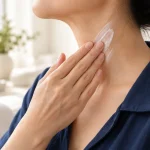
Skin Boosters for the Neck
The neck is commonly treated because skin there can become:
- Dry
- Crepey
- Finely wrinkled
- Less elastic
Skin boosters may help skin quality, but horizontal neck lines that are deep or structural may not disappear completely.
Skin Boosters for the Hands
The backs of the hands can show:
- Dehydration
- Fine wrinkling
- Thinning skin
- Visible veins and tendons
- Pigmentation
Skin-quality injectables may improve some aspects of texture or hydration, but significant volume loss or pigmentation may require separate treatment.
Who Is a Good Candidate for Skin Boosters?
Potential candidates are generally people who want modest improvement in skin quality rather than major alteration of facial structure.
They may be bothered by:
- Dehydrated skin
- Early fine lines
- Mild crepiness
- Reduced elasticity
- Uneven texture
- Dull appearance
The best candidates also understand that the treatment is temporary and subtle rather than transformational.
Who May Not Be a Good Candidate?
Treatment may need to be postponed or avoided in situations such as:
- Active skin infection at the injection site
- Active herpes outbreak in the area
- Significant inflammatory skin disease at the planned site
- Known allergy to relevant ingredients
- Certain bleeding or clotting problems
- Some medications that affect bleeding
- Pregnancy or breastfeeding depending on product and circumstances
- Previous severe reaction to an injectable product
- Unrealistic expectations
The exact contraindications depend on the injected material and product labeling.
Skin Boosters During Pregnancy
Elective injectable aesthetic treatment is generally postponed during pregnancy because adequate safety data are lacking for many cosmetic injectable products.
This is a different standard from saying that a product has been proven harmful.
For elective aesthetic procedures, the absence of sufficient safety evidence is usually reason enough to wait.
Skin Boosters While Breastfeeding
Evidence is also limited for many cosmetic injectable formulations during breastfeeding.
Because different skin boosters contain different materials, this should be assessed according to the specific product rather than assuming every injectable has the same recommendation.
What Happens During a Skin Booster Treatment?
The exact technique depends on the product.
A typical appointment may involve:
1. Consultation
The clinician assesses:
- Skin quality
- Skin thickness
- Fine lines
- Hydration
- Volume loss
- Pigmentation
- Acne scarring
- Facial anatomy
- Treatment goals
2. Product Selection
This is critical.
The patient should know what material is being injected and why that formulation was chosen.
3. Skin Preparation
The skin is cleansed and appropriate antisepsis is performed.
4. Anesthesia When Needed
Topical anesthetic may be used depending on treatment and patient preference.
5. Injection
Small amounts of product may be placed at multiple points using a needle or cannula depending on the product and technique.
6. Post-Treatment Assessment
The clinician checks the injection sites and provides aftercare instructions.
What Injection Techniques Are Used?
Depending on the product and treatment plan, techniques may include:
- Multiple microinjections
- Small superficial deposits
- Linear injection
- Cannula delivery
- Specific standardized injection points
There is no single technique called “the skin booster technique.
”
Injection depth matters because placement that is too superficial or inappropriate for the formulation may increase visible bumps or irregularity, while deeper treatment behaves differently. Recent literature continues to debate optimal injection depth for skin-quality treatments.
Do Skin Booster Injections Hurt?
Most patients experience some degree of discomfort.
It may feel like:
- Small pinpricks
- Stinging
- Pressure
- Brief burning
Pain varies depending on:
- Number of injections
- Treatment area
- Needle size
- Injection depth
- Product
- Whether lidocaine is included
- Use of topical anesthetic
- Individual sensitivity
Why Are There Little Bumps After Skin Booster Treatment?
Small raised bumps can occur when tiny amounts of material are injected superficially.
Depending on the product and technique, these may gradually flatten as the material distributes and swelling settles.
However, a persistent lump should not simply be assumed to be normal.
Persistent nodules can occasionally occur after injectable treatments and should be reviewed, particularly if associated with:
- Pain
- Increasing redness
- Heat
- Swelling
- Discharge
- Progressive enlargement
Skin Booster Downtime
Skin boosters are often described as “low downtime,
” but low downtime does not mean zero downtime.
Temporary effects may include:
- Redness
- Swelling
- Pinpoint bleeding
- Small injection bumps
- Tenderness
- Bruising
Some areas, especially under the eyes, may swell more than the cheeks.
Patients planning treatment before a wedding, major event, professional photographs, or international flight should allow for the possibility of visible bruising or swelling.
How Long Do Skin Booster Results Take to Appear?
It depends on the product.
With HA-based treatments, some hydration-related changes may become noticeable relatively early, while improvements in overall skin quality may become more apparent over subsequent weeks.
PN treatments are usually discussed as more gradual treatments.
Immediately after injection, swelling can temporarily make the skin look smoother, so day-one appearance should not be interpreted as the final result.
How Many Skin Booster Sessions Do You Need?
There is no universal schedule.
Research protocols for some HA products have used a series of treatments, but treatment frequency varies substantially between formulations.
Therefore, statements such as “every skin booster requires three sessions” are overly simplistic.
The appropriate schedule depends on:
- Product
- Treatment area
- Skin condition
- Previous treatment
- Desired result
- Manufacturer guidance
- Clinical response
How Long Do Skin Boosters Last?
Results are temporary.
Duration varies according to:
- Product formulation
- Injection depth
- Treatment schedule
- Metabolism
- Treatment area
- Skin condition
- Maintenance treatment
Some HA studies have reported improvement lasting for months after a treatment series, but these findings should not be generalized to every skin booster.
Patients should ask about the expected duration of the specific product being considered.
Are Skin Booster Results Permanent?
No.
Skin continues to age, and injectable materials are gradually degraded or remodeled.
Maintenance treatment may therefore be considered if a patient likes the result.
A treatment that requires maintenance should not be presented as permanent skin regeneration.
What Are the Common Side Effects?
Common short-term injection effects can include:
- Redness
- Swelling
- Tenderness
- Bruising
- Small bumps
- Itching
- Pinpoint bleeding
These effects are generally temporary.
However, side effects vary according to the injected material.
Can Skin Boosters Cause Lumps or Nodules?
Yes.
Small temporary injection-site bumps are different from persistent nodules.
Persistent lumps can develop due to:
- Product placement
- Inflammatory reaction
- Infection
- Delayed reaction
- Other injection-related complications
A prospective HA skin-booster study reported a transient subcutaneous nodule in one participant, illustrating that even treatments described as minimally invasive are not entirely risk-free.
Persistent, painful, red, or enlarging nodules warrant medical assessment.
Can Skin Boosters Cause Infection?
Any procedure that breaks the skin carries a risk of infection.
Signs that require prompt review include:
- Increasing pain
- Progressive redness
- Warmth
- Pus
- Fever
- Increasing swelling rather than gradual improvement
Good injection practice, antisepsis, sterile products, and appropriate aftercare are therefore important.
Can Skin Boosters Cause Vascular Occlusion?
This requires nuance.
Some skin boosters are HA-based injectable gels and therefore share certain injection-related risks with other HA injectable products.
Vascular occlusion occurs when material enters or compresses a blood vessel enough to impair blood flow.
It is uncommon but potentially serious.
HA filler injected accidentally into a blood vessel can cause tissue necrosis and, in rare situations involving facial vascular pathways, visual impairment, blindness, or stroke. Inadvertent intravascular injection is considered the most serious complication associated with dermal fillers.
Risk depends on:
- Product characteristics
- Injection depth
- Anatomy
- Treatment location
- Technique
It is inappropriate to describe every skin booster as “risk-free” simply because small quantities are injected.
Warning Signs After Injection That Need Urgent Assessment
Seek urgent medical attention after an injectable treatment if you develop:
- Severe or increasing pain
- Skin turning unusually pale or white
- Dusky, gray, blue, or mottled skin
- Progressive discoloration
- Blistering
- Rapidly worsening swelling
- Sudden visual disturbance
- Loss of vision
- Severe eye pain
- New neurological symptoms
Visual symptoms after facial injection are a medical emergency.
Although serious vascular complications are rare, delays in recognition can have major consequences.
Can Skin Boosters Cause Blindness?
Blindness has been reported as a rare complication of facial filler injection when injectable material inadvertently reaches the arterial circulation supplying the eye.
This does not mean blindness is a common outcome of skin-booster treatment.
It means that facial injections should be treated as medical procedures involving real anatomy and real risk—not as an ordinary beauty treatment.
Are Polynucleotide Injections Safer Than HA?
It is not appropriate to make a blanket statement that one category is “safer.
”
PN literature to date generally reports favorable tolerability, and recent reviews note that serious complications have not been prominent in published studies. However, the evidence base is considerably smaller than for HA and remains limited.
Absence of a complication in a relatively small literature does not prove that it cannot occur.
Can Skin Boosters Cause Allergic Reactions?
Potentially.
Risk varies by formulation.
An injected product may contain:
- The main active material
- Stabilizing agents
- Lidocaine
- Other components
Patients should inform their clinician about previous reactions to injectable products or relevant allergies.
Can Skin Boosters Cause PIH?
Injection marks, bruising, or inflammation can potentially leave post-inflammatory hyperpigmentation (PIH) in pigment-prone skin.
This is particularly relevant for some Thai and Asian patients.
Avoiding unnecessary trauma, treating bruising appropriately, and protecting the skin from sun exposure may help reduce pigment-related problems.
Skin Boosters for Asian and Thai Skin
Skin boosters can be considered in Thai and Asian patients.
Unlike many energy-based procedures, injectable skin boosters do not primarily rely on light absorption by melanin, so baseline pigmentation affects the procedure differently than it does with lasers.
However, skin type still matters because patients may differ in:
- PIH tendency
- Scarring tendency
- Acne activity
- Sensitivity
- Facial anatomy
- Skin thickness
- Under-eye swelling tendency
A treatment plan should therefore still be individualized.
Skin Boosters and Active Acne
Injecting directly through active inflammatory acne or infected skin is generally undesirable.
If a patient has substantial active acne, controlling the acne may be a more useful priority.
Otherwise, a patient may improve skin hydration while continuing to generate:
- New inflammation
- PIH
- Acne scars
The treatment plan should address the main clinical problem rather than simply adding another procedure.
Skin Boosters and Melasma
Skin boosters are not a primary treatment for melasma.
Someone with melasma may still undergo selected injectable treatments for separate skin-quality concerns, but the treatment should not be presented as a replacement for:
- Photoprotection
- Appropriate topical treatment
- Other established melasma management
What Should You Avoid After Skin Booster Treatment?
Specific instructions depend on the product and technique.
General aftercare commonly includes:
- Do not massage aggressively unless specifically instructed
- Avoid picking or squeezing injection bumps
- Keep the treated area clean
- Avoid unnecessarily irritating skincare immediately afterward
- Protect the skin from strong sunlight
- Follow instructions regarding makeup
- Follow advice regarding strenuous exercise, saunas, heat, swimming, and alcohol
- Contact the treating clinic if symptoms are unusual or worsening
Can You Wash Your Face After Skin Boosters?
Usually gentle cleansing can resume according to the clinician’s instructions.
Avoid aggressive:
- Scrubbing
- Facial brushes
- Exfoliation
- Strong acids
- Peels
immediately after treatment if the skin remains irritated.
Can You Exercise After Skin Boosters?
Many clinicians recommend temporarily avoiding strenuous exercise immediately after injectable procedures because heat, vasodilation, and increased blood flow may increase swelling or bruising.
The exact timing depends on the treatment and individual recovery.
Can You Drink Alcohol After Skin Boosters?
Alcohol can contribute to vasodilation and may worsen flushing or bruising around the time of an injectable procedure.
If bruising is a concern, avoiding alcohol around treatment may be sensible.
Can You Wear Makeup After Skin Boosters?
This depends on the condition of the injection sites.
Applying makeup over multiple fresh injection points immediately after treatment may increase contamination or irritation.
Follow the timing recommended after your specific procedure.
Skin Boosters and Bangkok’s Climate
Bangkok’s heat and humidity do not prevent skin-booster treatment, but patients should plan realistically.
Immediately after treatment:
- Heat can make facial flushing or swelling feel more noticeable
- Outdoor sun exposure should be minimized
- Heavy sweating may be uncomfortable
- Appropriate sunscreen remains important
For tourists, treatment should ideally be scheduled around significant outdoor activities rather than immediately before a day of intense sightseeing in the sun.
Skin Boosters for Tourists and International Patients in Bangkok
Skin boosters can be appealing to international patients because many treatments have relatively limited downtime.
However, travel introduces practical considerations.
Before treatment, think about:
- How many days you will remain in Bangkok
- Whether follow-up is possible
- Whether the treatment requires a series
- Whether you are flying immediately afterward
- Whether visible bruising would be problematic
- Whether you will be attending an event
- Whether you are going to the beach
- Who you will contact if a delayed complication occurs
A treatment that works best as a three-session course may not be the most practical choice for someone spending only two days in Thailand.
Should You Have Skin Boosters Immediately Before Flying?
Flying itself is not automatically prohibited after an uncomplicated skin-booster procedure.
However, having an injectable treatment immediately before a long international flight may be inconvenient because:
- Swelling may develop
- Bruising may become more noticeable
- A complication may become apparent after leaving Bangkok
- Access to the treating clinician becomes difficult
For international patients, allowing some observation time after injections is a practical consideration.
How to Choose a Skin Booster
Do not choose solely based on:
- Celebrity endorsement
- Social media trends
- Product nationality
- Packaging
- “Newest” technology
- Claims such as “DNA regeneration”
- Promises of permanent collagen
Instead, ask:
What exactly is the ingredient?
What clinical evidence supports it?
What concern is it intended to treat?
Is this product appropriate for this anatomical area?
What are the common and serious risks?
How many treatments are realistically needed?
What happens if I develop a complication?
What Should You Ask Before a Skin Booster Injection?
A useful consultation should establish:
- Exact product name
- Main ingredient
- Intended treatment goal
- Expected degree of improvement
- Treatment areas
- Number of sessions
- Expected downtime
- Common side effects
- Serious but uncommon risks
- Alternatives
- Maintenance requirements
It should also distinguish skin-quality concerns from other problems that may need different treatments.
What a Dermatology Consultation Should Assess
Rather than beginning with “Which booster should I inject?”
, a useful consultation should ask:
What is actually causing the patient’s concern?
The assessment may include:
- Skin hydration
- Texture
- Fine lines
- Elasticity
- Photoaging
- Acne
- Acne scars
- Enlarged pores
- Melasma
- PIH
- Rosacea
- Facial volume loss
- Dynamic wrinkles
- Skin laxity
- Under-eye anatomy
- Previous fillers or injectables
- Allergies
- Medication
- Previous complications
- Pregnancy or breastfeeding when relevant
- Treatment expectations
Only then should the discussion move to whether a skin booster is appropriate.
Skin Booster vs Other Treatments: Quick Comparison
Treatment Main purpose Often useful for What it does not primarily
address
| HA Skin Booster | Skin hydration and quality | Fine lines, dehydration, texture | Major facial reshaping |
|---|---|---|---|
| Polynucleotide Injection | Skin-quality improvement | Selected rejuvenation concerns | Evidence remains less established |
| Dermal Filler | Volume and contour | Cheeks, lips, chin, folds | General skin hydration alone |
| Botulinum Toxin | Reduce muscle movement | Dynamic wrinkles | Volume loss and skin hydration |
| Fractional Laser | Resurfacing/remodeling | Acne scars, texture, photoaging | Facial volume loss |
| RF Microneedling | Dermal remodeling | Acne scars, pores, texture | Significant volume replacement |
| Chemical Peel | Superficial resurfacing | Selected pigmentation, acne, texture | Facial volume |
| Vascular Laser | Blood vessels/redness | Rosacea vessels, telangiectasia | Skin hydration |
| Topical Skincare | Maintenance and disease-specific treatment | Barrier, acne, pigmentation, aging prevention | Cannot reproduce every injectable effect |
When Should You Contact a Doctor After Skin Booster Treatment?
Mild swelling, redness, tenderness, and bruising can occur after injection.
Seek medical review promptly for:
- Increasing rather than improving pain
- Progressive redness
- Pus
- Fever
- Persistent or enlarging lumps
- Marked asymmetrical swelling
- Blistering
- Unusual skin discoloration
Seek urgent medical care for:
- Severe pain
- Pale or mottled skin
- Dusky or blue discoloration
- Sudden visual symptoms
- Loss of vision
- Severe eye pain
- Neurological symptoms
Frequently asked questions
What are skin boosters?
Skin boosters are injectable treatments intended primarily to improve skin quality rather than substantially change facial shape or volume.
What is injected in a skin booster?
It depends on the product. Common categories include hyaluronic acid and polynucleotides, but the term “skin booster” covers many different formulations.
Are all skin boosters the same?
No. Ingredients, concentration, physical properties, evidence, injection technique, and risks can differ substantially.
What is the best skin booster?
There is no universally best product. The appropriate choice depends on the skin concern, treatment area, evidence for the product, anatomy, and patient preference.
Do skin boosters actually work?
Injectable HA has promising clinical evidence for improving several measures of skin quality, including hydration and elasticity. Other categories such as PN are also promising but currently have a smaller evidence base.
What do skin boosters do to your face?
They aim to improve properties such as hydration, fine texture, elasticity, and superficial lines rather than dramatically reshape the face.
Are skin boosters fillers?
Not exactly. Some HA skin boosters use materials related to dermal fillers, but their formulation, placement, amount, and goal are usually different.
Skin booster vs filler: which is better?
Neither is better. They treat different problems. Skin boosters focus more on skin quality; fillers focus more on volume and contour.
Skin booster vs Botox: what is the difference?
Botulinum toxin relaxes targeted muscles. Skin boosters are injected to improve skin quality.
Skin booster vs polynucleotide: what is the difference?
Polynucleotide is an ingredient category that may itself be used as a skin booster.
“Skin booster” is the broader term.
PN vs PDRN: are they the same?
They are related nucleotide-based materials but should not automatically be considered identical. Formulations and molecular characteristics can differ.
Hyaluronic acid vs PN: which is better?
HA currently has a more established clinical evidence base for injectable skin-quality improvement, while PN treatments are promising but require more high-quality research.
Do skin boosters hydrate the skin?
HA-based products can improve measurable skin hydration in appropriately selected patients.
Do skin boosters make your skin glow?
Some patients perceive improved radiance as hydration and surface quality improve, but “glow” is subjective and should not be guaranteed.
Do skin boosters shrink pores?
They may make pores appear less noticeable through improvements in hydration and texture, but they cannot permanently close pores.
Do skin boosters remove wrinkles?
Fine superficial lines may improve. Deeper wrinkles caused by muscle movement, volume loss, or structural aging usually require other approaches.
Do skin boosters tighten skin?
They may modestly improve elasticity or firmness, but they do not provide the same effect as a lifting procedure.
Can skin boosters lift the face?
They should not be expected to produce major facial lifting.
Can skin boosters treat acne scars?
They are not the primary treatment for deep or tethered acne scars. Scar type should be assessed first.
Can skin boosters treat pigmentation?
They are not the main treatment for melasma, PIH, freckles, or sun spots.
Can skin boosters treat rosacea?
They should not replace established rosacea treatment. Evidence for some newer injectable approaches remains preliminary.
Can skin boosters be injected under the eyes?
Some products are used in the periocular area, but patient selection is important because swelling, lumps, and irregularity can occur.
Are skin boosters good for eye bags?
Not necessarily. Eye bags, fluid retention, tear-trough hollowing, and crepey skin are different problems.
Can skin boosters make under-eye bags worse?
Certain HA treatments may worsen visible swelling in patients prone to under-eye or malar edema.
Can skin boosters be used on the neck?
Some formulations are used to improve neck skin quality and fine crepiness.
Can skin boosters be used on the hands?
Some injectable skin-quality treatments are used on the backs of the hands.
What age should you start skin boosters?
There is no medically correct age at which everyone should start. Treatment should be based on an actual concern and expected benefit rather than age alone.
Can people in their 20s have skin boosters?
Potentially, but younger age itself is not an indication. If skin is healthy and the patient has no meaningful concern, treatment may not be necessary.
How many skin booster sessions do I need?
There is no universal number. The schedule depends on the product and treatment plan.
How often should skin boosters be done?
Maintenance varies considerably between formulations. Follow recommendations for the specific product rather than a generic schedule.
How long do skin boosters last?
Usually months rather than permanently, but duration varies by product and treatment protocol.
Are skin booster results permanent?
No.
How quickly do skin boosters work?
Some HA-related hydration effects may become noticeable relatively early, while other skin-quality changes develop more gradually.
Do skin boosters hurt?
Multiple small injections can cause stinging or discomfort. Anesthetic measures may be used depending on the treatment.
Do skin boosters cause bumps?
Temporary small injection bumps can occur, particularly with superficial techniques.
How long do skin booster bumps last?
It varies by formulation, placement, and skin. Persistent bumps should be reviewed rather than assumed to be normal indefinitely.
Can skin boosters cause bruising?
Yes.
Can skin boosters cause swelling?
Yes. Temporary swelling is common, and areas such as the under-eye region may be particularly prone to it.
Can skin boosters cause nodules?
Persistent nodules are a possible complication of injectable treatments and warrant assessment.
Can skin boosters cause infection?
Yes. Any procedure that breaks the skin carries infection risk.
Can skin boosters cause PIH?
Injection-related inflammation or bruising can potentially cause PIH in susceptible patients.
Can skin boosters cause vascular occlusion?
HA-containing injectable gels can share vascular risks associated with facial injectable procedures. Although uncommon, vascular occlusion can cause serious tissue injury.
Can skin boosters cause blindness?
Visual loss is a rare but serious reported complication of accidental intravascular facial filler injection. Any sudden visual symptoms after facial injection require emergency assessment.
Are skin boosters safe?
They can be performed with a favorable safety profile in appropriately selected patients, but no injectable treatment should be described as risk-free.
Are skin boosters suitable for Asian skin?
Yes, they can be considered in Asian patients. Treatment still needs to account for anatomy, skin condition, PIH tendency, and individual risk.
Can Thai skin have skin boosters?
Yes. Treatment should be based on the individual's skin concern rather than ethnicity alone.
Can you have skin boosters with active acne?
Significant inflammation or infection in the injection area should generally be addressed before elective injections.
Can you have skin boosters during pregnancy?
Elective cosmetic injectable procedures are generally deferred because adequate pregnancy safety data are lacking.
Can you have skin boosters while breastfeeding?
Recommendations depend on the specific product because safety evidence is limited for many cosmetic injectables.
Can I wash my face after skin boosters?
Gentle cleansing is generally possible according to the post-treatment instructions provided.
Can I exercise after skin boosters?
Strenuous exercise is often temporarily avoided after injectable treatments to limit swelling or bruising.
Can I drink alcohol after skin boosters?
Alcohol may worsen flushing or bruising around the time of treatment.
Can I wear makeup after skin boosters?
Follow post-treatment instructions regarding when makeup can safely be applied over injection sites.
Can I go to the beach after skin boosters?
Avoiding unnecessary intense sun exposure immediately after treatment is sensible, particularly while injection sites are healing.
Can tourists have skin boosters in Bangkok?
Yes, but treatment should be planned around duration of stay, follow-up, downtime, travel schedule, and whether multiple sessions are needed.
Should I have skin boosters immediately before flying?
It may be better to allow time for swelling or bruising to settle and for any early complication to become apparent before leaving the treating clinician.
Related conditions
-
PN / PDRN PN / PDRN Injectable skin treatments are increasingly used for patients who want to improve skin quality rather than simply change facial shape or reduce muscle movement.
-
Dermal Fillers Dermal Fillers Dermal fillers are injectable treatments used to restore facial volume, soften selected folds and wrinkles, enhance facial contours, and improve the proportions of specific facial features.
-
Botulinum Toxin Botulinum Toxin Botulinum toxin injections are commonly used to soften dynamic facial wrinkles—lines caused mainly by repeated muscle movement—and can also be used in selected patients to modify facial contour by reducing the activity or bulk of specific muscles.
-
Fine Lines & Wrinkles Fine Lines & Wrinkles Fine lines and wrinkles are among the most common signs of skin aging. Some develop from repeated facial expressions, while others result from gradual changes in collagen, elastin, skin hydration, facial volume, and years of ultraviolet exposure.