


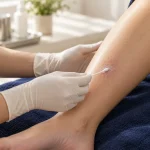


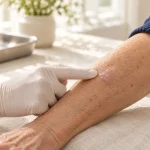
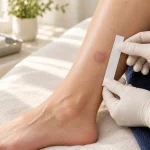
















Developed a Skin Rash While Traveling in Thailand? Common Causes and What to Do
Developing a skin rash while traveling in Thailand can be uncomfortable and sometimes worrying, especially when you are unfamiliar with the local climate, insects, plants, or potential infections.
Developing a skin rash while traveling in Thailand can be uncomfortable and sometimes worrying, especially when you are unfamiliar with the local climate, insects, plants, or potential infections.
Common causes of skin rashes in Thailand include heat rash, insect bites, allergic or irritant contact dermatitis, fungal infections, and eczema. However, some rashes may be associated with bacterial infections, parasites, medication reactions, or illnesses that require prompt medical evaluation.
The appearance of the rash, its location, associated symptoms, and recent activities can provide important clues to the underlying cause.
If you develop a persistent, spreading, painful, or unexplained rash while visiting Bangkok, a dermatologist can help identify the condition and recommend appropriate treatment.
Clear Skin Dermatology is a medical dermatology and skin cancer clinic located in Asoke, Bangkok, providing assessment and treatment for a range of skin conditions affecting residents and international visitors.
Why Are Skin Rashes Common During Travel in Thailand?
Thailand has a tropical climate with high temperatures and humidity throughout much of the year.
Travelers may experience changes in their skin due to:
- Increased sweating and heat exposure
- Friction from clothing and prolonged outdoor activities
- Insect bites
- Swimming pools, seawater, and other environmental exposures
- New sunscreens, soaps, cosmetics, or laundry products
- Fungal and bacterial infections
- Exposure to plants or marine organisms
- Changes in medication or skincare routines
These factors can trigger several different skin conditions.
Importantly, not every rash that develops in Thailand is caused by a tropical infection. Common conditions such as eczema, contact dermatitis, and psoriasis can also flare during travel.
1. Heat Rash (Miliaria)
Heat rash is a common cause of small red bumps or itchy skin during hot and humid weather.
It occurs when sweat becomes trapped within the skin because sweat ducts are blocked.
What Does Heat Rash Look Like?
Heat rash may cause:
- Small red or skin-colored bumps
- Itching or a prickling sensation
- Mild irritation or discomfort
- Clusters of bumps in sweaty areas
Common locations include the neck, chest, back, skin folds, and areas covered by tight clothing.
How Is Heat Rash Treated?
Mild heat rash often improves when the skin is kept cool and dry.
Helpful measures include:
- Staying in a cool, well-ventilated environment
- Wearing loose, breathable clothing
- Changing out of sweaty clothing
- Avoiding heavy or greasy products that may worsen sweat retention
- Using cool compresses for discomfort
Some patients may benefit from short-term medication for inflammation or itching, depending on the diagnosis.
Heat rash usually improves after reducing heat and sweating. However, persistent or worsening lesions should be examined to exclude folliculitis or other skin conditions.
2. Insect Bites and Papular Urticaria
Mosquitoes, fleas, bedbugs, and other biting insects can cause itchy skin reactions during travel.
Some people develop only small bumps, while others experience larger inflammatory reactions.
Papular urticaria is a hypersensitivity reaction to insect bites that can produce recurrent clusters of itchy bumps.
What Do Insect Bite Reactions Look Like?
Typical features include:
- Itchy red bumps
- Swelling around the bite
- Clusters of lesions on exposed skin
- Occasionally a central puncture mark
- New lesions after sleeping or spending time outdoors
Bedbug bites may occur in clusters, but their appearance alone cannot reliably identify the insect.
Treatment Options
Treatment may include:
- Cool compresses
- Anti-itch medication
- Topical corticosteroids for selected inflammatory reactions
- Oral antihistamines when appropriate
- Avoiding scratching
Scratching can damage the skin and increase the risk of secondary bacterial infection.
If new bites continue appearing, identifying and reducing exposure to the insects is important.
When Should You Be Concerned?
Seek medical attention if there is increasing pain, warmth, spreading redness, pus, or fever.
If a rash develops together with fever, severe headache, or significant muscle and joint pain after mosquito exposure, medical assessment is important to evaluate possible systemic infections.
3. Fungal Skin Infections (Ringworm and Tinea)
Fungal skin infections are an important consideration in warm, humid environments.
Sweating, damp clothing, skin friction, and prolonged moisture can encourage fungal growth.
Common infections include:
- Tinea corporis: fungal infection of the body
- Tinea cruris: fungal infection of the groin
- Tinea pedis: athlete’s foot
- Tinea versicolor: superficial yeast-associated infection that causes patches of altered skin color
What Does Ringworm Look Like?
Ringworm often causes:
- A round or oval rash
- A scaly, more active outer border
- Itching
- Gradual enlargement
- Sometimes partial clearing in the center
However, fungal infections do not always form a perfect ring.
How Is a Fungal Infection Diagnosed?
A dermatologist may recognize the infection from its appearance.
When the diagnosis is uncertain, a skin scraping can be examined under a microscope or sent for fungal testing.
This is particularly useful when the rash resembles eczema or has been altered by previous steroid treatment.
Treatment
Localized infections can often be treated with topical antifungal medication.
More extensive, persistent, or certain hair-bearing-area infections may require oral antifungal medication.
Avoid using strong steroid creams on an undiagnosed rash. Corticosteroids may temporarily reduce redness while allowing an underlying fungal infection to spread or become harder to recognize.
4. Allergic and Irritant Contact Dermatitis
Contact dermatitis occurs when the skin becomes inflamed after exposure to an irritating substance or an allergen.
Travelers often use unfamiliar products, including sunscreens, insect repellents, fragrances, soaps, and laundry detergents.
Common Triggers
Potential triggers include:
- Sunscreen ingredients
- Fragranced skincare products
- Insect repellents
- Detergents and cleaning products
- Adhesives and medical dressings
- Certain plants
- Metals or other materials contacting the skin
Symptoms
Contact dermatitis may cause:
- Redness
- Itching or burning
- Dryness and scaling
- Small blisters
- Swelling
- A rash corresponding to the area of exposure
Irritant reactions can occur without an allergy. Allergic contact dermatitis involves an immune response to a particular substance.
Treatment
Management focuses on identifying and avoiding the trigger.
Depending on severity, treatment may include moisturizers, topical anti-inflammatory medication, and other supportive measures.
For persistent or recurrent suspected allergic contact dermatitis, patch testing may be considered.
5. Eczema Flare-Ups During Travel
Patients with atopic dermatitis or other forms of eczema may notice worsening symptoms during travel.
Heat, sweating, frequent showering, unfamiliar skincare products, and environmental changes may contribute to flare-ups.
Common Symptoms
Eczema may produce:
- Dry, itchy skin
- Red or darker inflamed patches
- Scaling
- Cracked skin
- Thickened skin after repeated scratching
The appearance varies with skin tone and the type of eczema.
Treatment
Treatment usually focuses on restoring the skin barrier and controlling inflammation.
A dermatologist may recommend:
- Regular use of fragrance-free moisturizers
- Avoidance of identified irritants
- Appropriate topical anti-inflammatory medication
- Additional treatment for severe or persistent disease
A new rash should not automatically be assumed to be eczema, particularly when it is painful, spreading, or has unusual features.
6. Bacterial Skin Infections and Folliculitis
Bacterial infections may develop after minor skin injuries, shaving, scratching insect bites, or prolonged friction and moisture.
Folliculitis causes inflammation around hair follicles and may be infectious or noninfectious.
What Does Bacterial Folliculitis Look Like?
Typical findings include:
- Small red bumps around hair follicles
- Pus-filled spots
- Tenderness or itching
- Lesions on the chest, back, buttocks, or thighs
Impetigo may produce superficial sores with yellowish crusting.
A deeper bacterial infection can cause painful, warm, swollen skin with spreading redness.
Treatment
Treatment depends on the diagnosis and severity.
Options may include topical medication, oral antibiotics when indicated, or drainage of a collection of pus.
Not every case of folliculitis requires antibiotics.
Seek prompt medical attention if redness spreads rapidly, the area becomes increasingly painful, or fever develops.
7. Cutaneous Larva Migrans: A Parasitic Rash Associated With Sand or Soil
Cutaneous larva migrans is caused by animal hookworm larvae penetrating the skin.
It can occur after direct contact with contaminated sand or soil, including walking barefoot or sitting on affected ground.
What Does It Look Like?
The characteristic rash is:
- Intensely itchy
- Raised
- Red or pink
- Winding or snake-like
- Slowly migrating over time
It commonly affects the feet, legs, or buttocks.
How Is It Treated?
A dermatologist can usually diagnose the condition based on the appearance and exposure history.
Prescription antiparasitic medication, such as ivermectin or albendazole, is commonly used when appropriate.
Treatment selection depends on factors such as age, pregnancy status, medical history, and the diagnosis.
Do not attempt to cut or dig out the visible track.
8. Rashes After Swimming in the Sea or Pool
A rash developing after swimming may have several possible causes.
Marine Stings and Skin Irritation
Contact with jellyfish or other marine organisms can cause painful, burning, or itchy skin lesions.
Some reactions are mild, while others can be medically serious.
Severe pain, extensive skin involvement, breathing difficulties, faintness, or systemic symptoms after a marine sting require urgent medical care.
First-aid measures vary by the organism involved. Do not assume that the same treatment is appropriate for every marine sting.
Swimming Pool-Associated Folliculitis
Poorly maintained pools or hot tubs can occasionally be associated with Pseudomonas folliculitis.
This may cause itchy or tender bumps, sometimes under swimwear.
Many uncomplicated cases resolve without antibiotics, but persistent, severe, or systemic symptoms require assessment.
Irritant Dermatitis
Pool chemicals, friction, or frequent washing can also irritate the skin.
A dermatologist can help distinguish irritation from infection when the diagnosis is unclear.
9. Dengue and Other Illnesses That Can Cause a Rash
Not every rash in Thailand is a primary skin disease.
Some systemic infections can produce skin findings alongside fever and other symptoms.
Dengue is one important example.
What Symptoms May Suggest Dengue?
Possible symptoms include:
- Fever
- Headache
- Pain behind the eyes
- Muscle or joint pain
- Nausea
- A skin rash
The rash alone cannot confirm or exclude dengue.
If you develop a rash with fever during or after travel in Thailand, medical evaluation may be needed to assess dengue and other possible infections.
Seek urgent care for severe abdominal pain, repeated vomiting, bleeding, marked weakness, faintness, or other warning signs of severe illness.
If dengue is suspected, avoid aspirin and nonsteroidal anti-inflammatory medications such as ibuprofen until a clinician advises otherwise, because of bleeding concerns. Paracetamol (acetaminophen) is generally preferred for fever when appropriate.
A patient with fever and systemic symptoms may need evaluation at a hospital or general medical facility rather than a routine dermatology appointment.
How to Tell Different Types of Rashes Apart
The following features can help guide assessment, but they cannot establish a diagnosis on their own.
| Rash appearance | Possible causes |
|---|---|
| Tiny prickly bumps in sweaty areas | Heat rash |
| Itchy bumps after outdoor exposure or sleep | Insect bite reaction |
| Circular, scaly, expanding patch | Fungal infection |
| Red, itchy patches after using a new product | Contact dermatitis |
| Dry, itchy, recurrent patches | Eczema |
| Pus-filled bumps centered on hair follicles | Folliculitis |
| Intensely itchy, winding track on the foot | Cutaneous larva migrans |
| Rash with fever and body aches | Systemic infection, including possible dengue |
Several conditions may have overlapping appearances. A dermatologist may need to examine the skin or perform tests before confirming the cause.
What Should You Do if You Develop a Rash in Thailand?
If the rash is mild and you otherwise feel well, initial steps may include:
- Keep the affected skin clean and avoid unnecessary friction.
- Stay cool and change out of sweaty clothing.
- Stop using newly introduced skincare products that may be causing irritation.
- Avoid scratching or picking the rash.
- Take clear photographs to document changes.
- Avoid applying multiple prescription creams without knowing the diagnosis.
A cool compress may help relieve itching or discomfort.
Avoid using leftover antibiotics, antifungal tablets, or strong corticosteroids without medical advice.
If the rash persists, spreads, becomes painful, or does not respond to simple measures, arrange a medical assessment.
When Should You See a Dermatologist in Bangkok?
A dermatology consultation is appropriate when:
- A rash persists or repeatedly returns
- Itching interferes with sleep or daily activities
- The rash spreads despite treatment
- You develop recurrent pustules or crusted lesions
- You suspect a fungal or parasitic infection
- A rash worsens after applying medication
- You are unsure whether the condition is infectious
- You need a treatment plan before traveling home
When Is Emergency Care Necessary?
Seek urgent or emergency medical attention for:
- Rash with significant fever or severe illness
- Rapidly spreading painful redness
- Extensive blistering or skin peeling
- Mouth sores or eye involvement with a widespread rash
- Difficulty breathing or swelling of the face or throat
- A widespread purple or red rash that does not fade with pressure, particularly with fever
- Severe symptoms after a jellyfish or other marine sting
These presentations may indicate conditions requiring immediate assessment rather than a routine dermatology consultation.
How Does a Dermatologist Diagnose a Travel-Related Rash?
The dermatologist will usually ask when the rash started and whether it followed any particular exposure.
Useful information includes:
- Places visited in Thailand
- Recent outdoor activities
- Swimming, beach, or jungle exposure
- Insect bites
- New medications
- New skincare products
- Contact with animals
- Whether other travelers have similar symptoms
- Fever or other symptoms
The doctor will then examine the rash and consider its distribution, shape, scaling, inflammation, and other features.
Depending on the suspected diagnosis, tests may include:
- Skin scraping for fungal examination
- Bacterial culture
- Blood tests when clinically indicated
- Skin biopsy for selected persistent or unusual conditions
Most uncomplicated rashes do not require extensive laboratory testing.
Treatment and Recovery
Treatment depends on the underlying cause.
Heat rash may improve with cooling and reduced sweating. Contact dermatitis often improves after the trigger is removed and inflammation is treated.
Fungal infections require appropriate antifungal treatment, while bacterial infections may need antimicrobial medication or other management.
Parasitic conditions such as cutaneous larva migrans may require prescription antiparasitic medication.
Recovery times vary from days to several weeks, depending on the diagnosis and severity.
Some conditions can recur if the trigger or source of infection remains present.
After inflammation resolves, temporary dark or light patches may remain, particularly in individuals prone to post-inflammatory pigment changes.
Skin Rash Treatment at Clear Skin Dermatology in Bangkok
Clear Skin Dermatology is a medical dermatology clinic located in Asoke, Bangkok, Thailand.
Patients can seek assessment for common skin concerns, including:
- Itchy and unexplained rashes
- Eczema and contact dermatitis
- Fungal skin infections
- Folliculitis and selected bacterial skin infections
- Insect bite reactions
- Parasitic skin conditions
- Persistent or recurrent inflammatory skin diseases
The appropriate treatment is determined after clinical assessment and, when necessary, additional investigations.
For tourists and international patients, it is useful to mention how long you will remain in Bangkok so that treatment and follow-up can be planned accordingly.
Clear Skin Dermatology
Medical Dermatology & Skin Cancer Clinic
Asoke, Bangkok, Thailand
Website: https://clearskinbangkok.com
Frequently Asked Questions
Why did I suddenly develop a rash while traveling in Thailand?
Common causes include heat rash, insect bites, contact dermatitis, fungal infections, and eczema. Less commonly, a rash may be related to bacterial infection, parasites, medication reactions, or systemic illness.
Is an itchy rash in Thailand usually caused by insects?
Not necessarily. Insect bites are common, but fungal infections, eczema, heat rash, and contact dermatitis can also cause significant itching.
Can Thailand’s humidity cause skin rashes?
Heat and humidity can contribute to sweat retention, skin friction, and certain fungal infections. However, humidity alone does not explain every rash.
How can I tell if my rash is fungal?
Fungal infections often produce scaly patches with a more active border, but their appearance varies. A dermatologist may perform a skin scraping to confirm the diagnosis.
Should I use a steroid cream for an itchy rash?
Not without considering the cause. Steroid creams can help certain inflammatory conditions but may worsen or conceal some infections. Seek medical advice if the diagnosis is uncertain.
Can I develop a parasite-related rash after walking barefoot on a beach?
Yes. Cutaneous larva migrans can occur after contact with sand or soil contaminated by animal hookworm larvae. It typically causes a very itchy, winding skin track.
Can dengue cause a skin rash?
Yes. Dengue can cause a rash, usually with other symptoms such as fever, headache, and body aches. A rash alone cannot diagnose dengue.
When should I go to a hospital instead of a dermatology clinic?
Seek urgent medical care for rash with severe illness, high fever, breathing difficulty, widespread blistering, rapidly spreading painful infection, or other serious symptoms.
Can a dermatologist treat my rash before I leave Thailand?
Many rashes can be assessed and treatment started during one consultation. Some conditions require laboratory tests, repeat visits, or longer-term medication.
Where can I see a dermatologist for a rash in Bangkok?
Clear Skin Dermatology is located in the Asoke area of Bangkok and provides medical dermatology consultations. Contact the clinic to confirm appointment availability and whether your condition is appropriate for outpatient assessment.
Book a Dermatology Consultation in Bangkok
Developing a skin rash while traveling in Thailand does not always indicate a serious infection, but an accurate diagnosis is important when symptoms persist, spread, or become unusual.
Whether the cause is heat rash, eczema, contact dermatitis, a fungal infection, or another skin condition, treatment should be based on the underlying diagnosis.
Clear Skin Dermatology in Asoke, Bangkok provides medical dermatology assessment for residents, expatriates, and international visitors.
Contact the clinic to discuss your symptoms and arrange an appointment.
Website: https://clearskinbangkok.com
This article is intended for general medical education. It does not replace an individual clinical examination or emergency medical assessment when required.
Medical References
The following authoritative resources are suitable for supporting and fact-checking the published article:
- CDC Yellow Book — Health Information for International Travel — Travel-related illnesses, dermatological conditions, and returning-traveler assessment.
- US Centers for Disease Control and Prevention — Dengue — Symptoms, warning signs, prevention, and clinical guidance.
- DermNet — Dermatology Reference — Clinical information about heat rash, fungal infections, contact dermatitis, folliculitis, and cutaneous larva migrans.
- American Academy of Dermatology — Patient Education — Skin rashes, eczema, contact dermatitis, and when to seek dermatological care.
These are reputable reference resources; the links above are not presented as a completed live literature review.
Related articles
-
Skin Conditions & Rashes Heat Rash in Thailand: Causes, Treatment & Prevention Developing small, itchy bumps while traveling in Thailand is common, particularly during hot and humid weather. You may notice a prickling sensation on your neck, red bumps across your chest, or an irritating rash on your back after spending time outdoors.

-
Skin Conditions & Rashes Sun Rash and Sun Allergy in Thailand: Symptoms, Causes and Treatment Developing an itchy rash after spending time outdoors in Thailand can be confusing. You may notice small red bumps on your arms, an itchy rash across your chest, or raised welts that appear shortly after exposure to sunlight.
-
Skin Conditions & Rashes Olumiant for Alopecia Areata in Bangkok, Thailand: A Guide to Treatment, Hair Regrowth and Safety Alopecia areata is an autoimmune condition that causes hair loss, often appearing as round or oval bald patches on the scalp. In more severe cases, it can lead to extensive scalp hair loss or complete loss of scalp and body hair.