





















Visiting a Dermatologist in Thailand: What International Patients Should Know
If you are living in Thailand or visiting Bangkok, you may need to see a dermatologist for acne, a persistent rash, hair loss, a changing mole, or another skin concern. Understanding how dermatology consultations work in Thailand can help you choose an appropriate clinic and avoid unexpected difficulties with treatment or follow-up.
If you are living in Thailand or visiting Bangkok, you may need to see a dermatologist for acne, a persistent rash, hair loss, a changing mole, or another skin concern. Understanding how dermatology consultations work in Thailand can help you choose an appropriate clinic and avoid unexpected difficulties with treatment or follow-up.
International patients can generally arrange appointments directly with private dermatology clinics in Bangkok without a hospital referral. However, appointment availability, consultation languages, fees, diagnostic services, and insurance arrangements vary between providers.
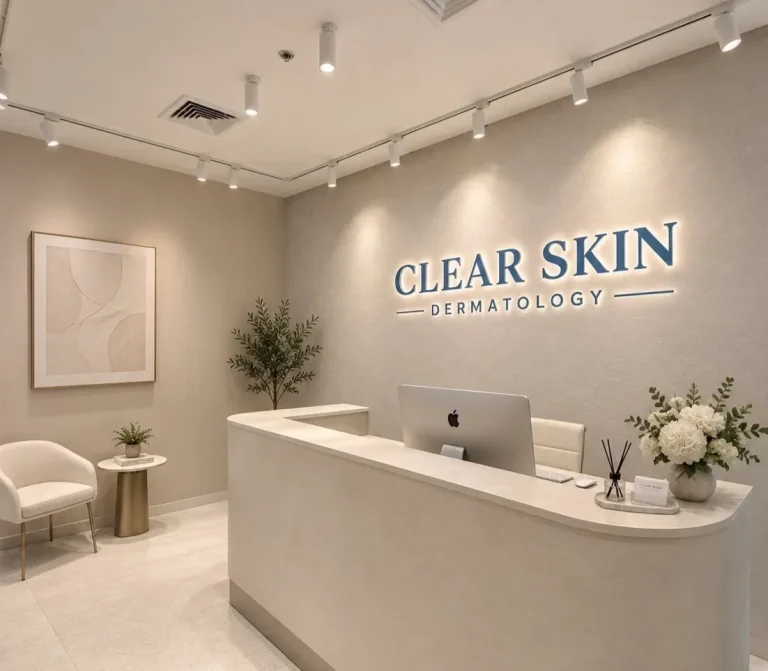
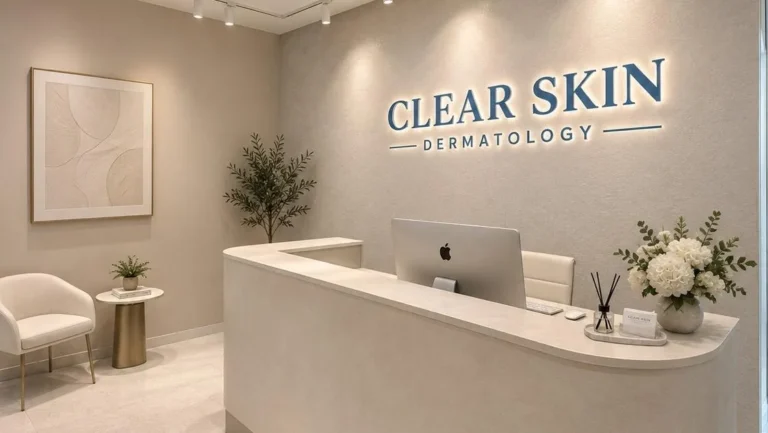
Clear Skin Dermatology is a medical dermatology and skin cancer clinic located in Asoke, Bangkok, providing assessment and treatment for skin, hair, and nail conditions.
This guide explains what international patients should know before visiting a dermatologist in Thailand.
Can Foreigners Visit a Dermatologist in Thailand?
Yes. Foreign residents, tourists, and international patients can seek dermatology care at private clinics and hospitals in Thailand.
Patients commonly visit dermatologists for medical conditions such as:
- Acne and persistent adult acne
- Eczema, dermatitis, and allergic skin reactions
- Psoriasis and other inflammatory skin diseases
- Fungal, bacterial, and viral skin infections
- Hair loss and scalp disorders
- Nail disorders
- Changing moles and suspicious skin lesions
- Skin cancer screening
- Warts, skin tags, and benign skin growths
Some conditions can be diagnosed and treated during a single consultation. Others require investigations, repeated treatments, or longer-term follow-up.
If you are visiting Thailand temporarily, it is helpful to explain your travel schedule when arranging an appointment.
How to Choose a Dermatologist in Bangkok
Not every skin clinic provides the same type of care.
Some clinics focus primarily on cosmetic procedures, while others provide medical dermatology, skin disease diagnosis, and treatment of suspicious skin lesions.
1. Check the Doctor’s Qualifications
A dermatologist is a physician who has undertaken additional specialist training in diseases affecting the skin, hair, and nails.
Patients should look for clear information about the treating physician’s qualifications and professional registration.
In Thailand, medical licenses can be checked through the official Medical Council of Thailand website.
If specialist qualifications are important for your condition, ask the clinic to confirm the doctor’s dermatology training.
2. Choose a Clinic Appropriate for Your Condition
If you have acne, eczema, or hair loss, look for a clinic that provides medical assessment and prescription treatment.
If you have a changing mole, a nonhealing wound, or a suspicious skin growth, choose a provider that can evaluate the lesion and arrange appropriate biopsy or referral when necessary.
Cosmetic laser treatment should not replace proper assessment of a potentially cancerous lesion.
3. Confirm Consultation Language
For international patients, communication is an important part of safe medical care.
Before booking, confirm whether the consultation can be conducted in English or another language you understand.
You should be able to understand your diagnosis, medication instructions, possible side effects, and follow-up plan.
4. Consider Follow-Up Requirements
A single appointment may be sufficient for some conditions, but chronic skin diseases often require ongoing care.
If you are planning to leave Thailand, ask how test results will be communicated and whether follow-up can be coordinated with a doctor in your home country.
Do You Need a Referral to See a Dermatologist in Thailand?
In many private dermatology clinics, patients can arrange an appointment directly without first visiting a general practitioner.
However, referral requirements may differ for public hospitals, specialist services, and individual insurance policies.
Even when a clinic accepts direct appointments, your insurance provider may require a referral or preauthorization before reimbursing treatment.
If you plan to use international health insurance, check the policy conditions before your consultation.
What Should You Bring to Your Dermatology Appointment?
Preparing a few details in advance can make the consultation more useful.
Medical History and Current Medications
Bring or prepare information about:
- Your main symptoms and when they began
- Previous diagnoses and treatments
- Current prescription and nonprescription medications
- Known medication allergies
- Relevant medical conditions
- Previous skin biopsies or pathology results
- Any history of skin cancer
For medication names that differ between countries, a photograph of the packaging or the generic drug name can be helpful.
Photographs of Your Skin Condition
Some skin conditions change from day to day.
Photographs showing earlier stages of a rash, episodes of swelling, or changes in a mole may help the dermatologist understand the progression.
Use clear, unfiltered photographs whenever possible.
Previous Test Results
If you have previously undergone a skin biopsy, fungal test, blood test, or imaging related to your condition, bring the reports.
For patients seeking a second opinion, the original pathology report can be particularly important.
What Happens During a Dermatology Consultation in Thailand?
Although the exact process varies between clinics, most medical dermatology consultations follow several steps.
Step 1: Medical History
The dermatologist asks about your symptoms, their duration, previous treatment, medications, and relevant health conditions.
For example, a patient with persistent facial redness may be asked about skincare products, sun exposure, flushing, and medication use.
Step 2: Skin Examination
The doctor examines the affected skin and may assess the scalp, nails, or other body areas when relevant.
Some conditions can be diagnosed through clinical examination alone.
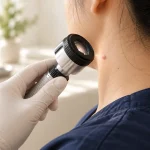
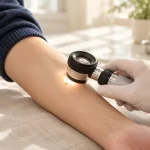
For suspicious moles, the dermatologist may use dermoscopy, a noninvasive technique that provides magnified views of skin structures.
Step 3: Additional Tests When Necessary
Depending on the suspected diagnosis, the doctor may recommend:
- Skin scraping or fungal examination
- Bacterial or fungal culture
- Blood tests
- Skin biopsy
- Histopathological examination
Not every patient requires additional testing.
Step 4: Diagnosis and Treatment Plan
The dermatologist explains the likely diagnosis and available treatments.
The discussion should include expected benefits, possible adverse effects, treatment duration, and whether follow-up is required.
Step 5: Follow-Up Planning
For patients living in Bangkok, follow-up can be arranged according to the condition.
For tourists and short-term visitors, the doctor may recommend a plan that accounts for the patient’s departure date and access to medical care afterward.
Common Skin Conditions Treated by Dermatologists in Bangkok
Acne and Adult Acne
Acne can persist well beyond adolescence.
Treatment may include topical retinoids, benzoyl peroxide, prescription oral medications, or isotretinoin in selected patients.
Isotretinoin requires medical supervision because of important adverse effects and its high risk of causing severe birth defects if taken during pregnancy.
Patients considering isotretinoin should discuss monitoring requirements, pregnancy prevention where applicable, and continuity of treatment before starting.
Eczema and Persistent Skin Rashes
Eczema, contact dermatitis, psoriasis, and fungal infections may produce similar-looking rashes.
An accurate diagnosis is important because the treatments differ.
For example, using a topical corticosteroid without recognizing a fungal infection may alter its appearance and allow it to worsen.
Fungal and Bacterial Skin Infections
Thailand’s warm, humid climate can contribute to sweating and moisture retention, which may aggravate some fungal skin infections.
Common concerns include ringworm, athlete’s foot, fungal nail infections, folliculitis, and impetigo.
Treatment depends on the organism, affected area, and severity.
Hair Loss and Scalp Conditions
Hair loss can result from hereditary factors, autoimmune disease, scalp inflammation, medical conditions, or temporary changes in the hair growth cycle.
The dermatologist may use scalp examination and trichoscopy, a magnified assessment of the hair and scalp, to help determine the cause.
Blood tests may be recommended when clinically indicated.
Warts, Skin Tags, and Benign Skin Growths
Common treatments for suitable benign lesions include cryotherapy, CO₂ laser, and surgical removal.
The choice depends on the diagnosis, location, size, and whether tissue examination is necessary.
Warts may recur after treatment because the underlying viral infection can persist.
Mole Checks and Skin Cancer Screening in Thailand
International patients sometimes arrange skin examinations while living in or traveling through Thailand.
Skin cancer can occur in people of any skin tone, although individual risk varies.
Patients with a personal history of skin cancer, substantial sun exposure, or changing skin lesions may particularly benefit from dermatological assessment.
When Should You Have a Mole Checked?
The ABCDE warning signs of melanoma include:
- A — Asymmetry: One half looks different from the other.
- B — Border: The edges are irregular or poorly defined.
- C — Color: The lesion contains several colors or uneven pigmentation.
- D — Diameter: Larger lesions can be concerning, although melanoma may be smaller than 6 mm.
- E — Evolving: The lesion changes in size, shape, color, or symptoms.
A new or changing lesion, unexplained bleeding, or a sore that repeatedly crusts and does not heal should also be evaluated.
Not every changing mole is cancerous, but these findings should not be dismissed.
Is a Skin Biopsy Always Necessary?
No.
Many benign lesions can be identified through clinical examination and dermoscopy.
However, when skin cancer is suspected, a biopsy or appropriate excision may be required for histopathological diagnosis.
The tissue is examined under a microscope to identify the condition and, when relevant, help guide further treatment.
Can a Suspicious Mole Be Removed With a Laser?
A suspicious pigmented lesion should not simply be destroyed with a cosmetic laser.
When malignancy is a concern, the dermatologist should select a diagnostic or surgical approach that allows appropriate tissue examination.
Can Dermatology Procedures Be Performed During the Same Visit?
Some procedures can be performed during a scheduled consultation, depending on the diagnosis, clinical assessment, and clinic availability.
Examples include:
- Cryotherapy for selected warts or benign lesions
- Removal of certain skin tags
- Skin biopsy
- Selected minor surgical procedures
Other procedures may require a separate appointment, additional investigations, or referral to a hospital.
For international patients, it is useful to ask whether the procedure will require stitches, a wound review, or further treatment after pathology results become available.
Recovery and Aftercare: Important Considerations for Travelers
Recovery varies considerably depending on the procedure.
After a Skin Biopsy
A biopsy may leave a small wound that requires cleaning and dressing changes.
Some biopsies require stitches.
Many uncomplicated biopsy wounds heal over approximately one to two weeks, although healing time varies with the procedure, location, and patient factors.
Patients should follow their treating doctor’s specific wound-care instructions.
Swimming and Travel
After a biopsy or minor skin surgery, swimming should generally be avoided until the wound has healed adequately and the treating clinician confirms it is safe.
This is especially relevant for visitors planning beach holidays, diving, or swimming activities in Thailand.
Possible Complications
Contact the treating clinic if you develop:
- Increasing pain or swelling
- Spreading redness
- Pus or unusual discharge
- Fever
- Persistent bleeding
Worsening symptoms may require prompt medical evaluation.
How Much Does a Dermatologist Cost in Thailand?
Dermatology consultation fees vary according to the clinic, hospital, physician, and services provided.
A standard consultation may be charged separately from:
- Prescription medication
- Laboratory investigations
- Dermoscopy or specialized examinations
- Skin biopsy and pathology
- Cryotherapy or laser procedures
- Surgical treatment
Before agreeing to a procedure, ask for an estimate that includes the procedure itself, pathology fees if applicable, medications, and follow-up visits.
Do not assume that a quoted consultation fee includes every additional service.
Can International Health Insurance Be Used?
Some international health insurance policies cover medically necessary dermatology consultations and procedures.
However, coverage depends on the policy.
Cosmetic treatments may be excluded even when performed by a dermatologist.
Patients should check:
- Whether outpatient dermatology is covered
- Whether a referral is required
- Whether prior authorization is necessary
- Whether direct billing is available
- Which documents are required for reimbursement
Keep copies of invoices, prescriptions, and relevant medical reports.
What If You Need Treatment After Leaving Thailand?
Continuity of care is especially important for patients taking long-term medication or awaiting diagnostic results.
Before leaving Bangkok, clarify:
- Your confirmed or provisional diagnosis
- The generic names and doses of your medications
- How long treatment should continue
- Which side effects require medical attention
- Whether repeat blood tests or examinations are necessary
- How pending biopsy results will be communicated
- Whether you need follow-up with a dermatologist at home
For skin cancer or suspicious lesions, do not assume that the initial biopsy completes treatment. Additional surgery or monitoring may be necessary depending on the pathology result.
When Should You Seek Urgent Medical Care?
Some skin problems should not wait for a routine clinic appointment.
Seek urgent medical evaluation for:
- A rapidly spreading painful skin infection, particularly with fever
- Extensive blistering or peeling skin
- A widespread rash accompanied by mouth or eye involvement
- A severe medication reaction
- Rapidly worsening skin symptoms with significant illness
Difficulty breathing, facial or throat swelling, or symptoms of a severe allergic reaction require emergency medical care.
Changing or bleeding moles should be assessed promptly, although they do not usually require an emergency department visit unless accompanied by an acute complication.
Visiting Clear Skin Dermatology in Asoke, Bangkok
Clear Skin Dermatology is a medical dermatology and skin cancer clinic located in the Asoke area of Bangkok, Thailand.
The clinic provides assessment and treatment for a range of skin, hair, and nail conditions, including acne, eczema, psoriasis, hair loss, skin infections, suspicious moles, and skin growths.
For patients seeking medical dermatology rather than purely cosmetic treatment, an appropriate consultation begins with identifying the condition and discussing suitable treatment options.
Before Your Appointment
Contact the clinic to confirm:
- Consultation availability
- Available consultation languages
- Whether your requested service or procedure is offered
- Consultation and procedure fees
- Whether additional testing may be needed
- Follow-up arrangements
If you are traveling, mention your departure date and any upcoming swimming, diving, or other activities that could affect recovery.
Clear Skin Dermatology
Medical Dermatology & Skin Cancer Clinic
Asoke, Bangkok, Thailand
Website: https://clearskinbangkok.com
Frequently Asked Questions
Can tourists see a dermatologist in Thailand?
Yes. Tourists can arrange consultations at private dermatology clinics and hospitals. Some conditions can be managed in one visit, while others require investigations or follow-up.
Do I need a referral to visit a dermatologist in Bangkok?
Many private clinics accept direct appointments. However, insurance policies and some hospital services may have referral requirements.
Can I consult a dermatologist in English?
English-language consultations are available at some dermatology clinics in Bangkok. Confirm the language arrangements with your chosen clinic before booking.
Can I get a mole checked while visiting Thailand?
Yes. A dermatologist can examine a mole and use dermoscopy when appropriate. Suspicious lesions may require biopsy or further management.
Can I have a skin biopsy during the same appointment?
It may be possible depending on the clinical assessment and procedure availability. Pathology results usually require additional processing time.
How long should I stay in Bangkok after a skin procedure?
This depends on the procedure, wound location, healing requirements, and whether stitches or follow-up are necessary. Discuss your travel dates with the dermatologist before treatment.
Will my international health insurance cover dermatology treatment?
Coverage varies. Medically necessary consultations and procedures may be covered, while cosmetic services are frequently excluded. Check your policy before treatment.
Can I continue my dermatology medication after returning home?
Often yes, but the medication’s availability, monitoring requirements, and prescribing rules may differ between countries. Ask for a treatment summary and discuss follow-up with your home physician.
Should I see a dermatologist for a rash that has not improved?
Yes, particularly if the rash persists, recurs, spreads, or has not responded to treatment. Different skin diseases can look similar and may require different medications.
Is skin cancer screening necessary for everyone?
The need for professional skin examinations depends on individual risk factors and clinical findings. Patients with changing lesions, previous skin cancer, or other significant risk factors should discuss appropriate surveillance with a dermatologist.
Book a Dermatology Consultation in Bangkok
Visiting a dermatologist in Thailand can be straightforward when you know what to expect.
The most important steps are choosing an appropriately qualified physician, preparing relevant medical information, understanding the treatment plan, and arranging follow-up when necessary.
If you are living in Bangkok or visiting Thailand, Clear Skin Dermatology in Asoke provides medical dermatology consultations for skin, hair, and nail concerns, including mole assessment and skin cancer screening.
Contact the clinic to discuss your symptoms, confirm the services available, and arrange an appointment.
Clear Skin Dermatology — Asoke, Bangkok, Thailand
Website: https://clearskinbangkok.com
This article provides general medical information and does not replace an individual assessment by a qualified healthcare professional.
Medical References
The article’s clinical guidance is supported by the following sources:
- American Academy of Dermatology — ABCDEs of Melanoma. Warning signs of suspicious pigmented lesions.
- American Academy of Dermatology — What Is a Skin Biopsy?. Biopsy techniques, local anesthesia, and histopathological examination.
- American Academy of Dermatology — Skin Biopsy Wound Care. Healing, dressings, infection warning signs, and swimming restrictions.
- Medical Council of Thailand — Physician License Verification. Official physician registration verification.
Related articles
-
International Patient Guides Skin Clinic in Bangkok for Foreigners & Expats Finding a reliable skin clinic in Bangkok can be challenging, particularly if you are visiting Thailand or living here as an expatriate. Whether you need treatment for acne, eczema, hair loss, a persistent rash, or a suspicious mole, choosing a clinic that focuses on medical dermatology can make a meaningful difference.
-
International Patient Guides Dermatology Clinics in Bangkok, Thailand: Reviews and How to Choose the Right Skin Specialist Looking for a reliable dermatology clinic in Bangkok? The right choice depends on your skin concern, the doctor's qualifications, the treatments available, and how clearly the clinic explains diagnosis, costs, and follow-up care.

-
International Patient Guides Dermatologist in Asoke & Sukhumvit: Clear Skin Dermatology Clinic Bangkok If you are looking for a dermatology or skin clinic in Bangkok, particularly around Asoke and Sukhumvit, it can be difficult to know whether your skin concern needs medical treatment, a dermatologic procedure, or simply appropriate skincare.